Jul 25, 2023
Russian Blue Cat: Appearance, Temperament and Care
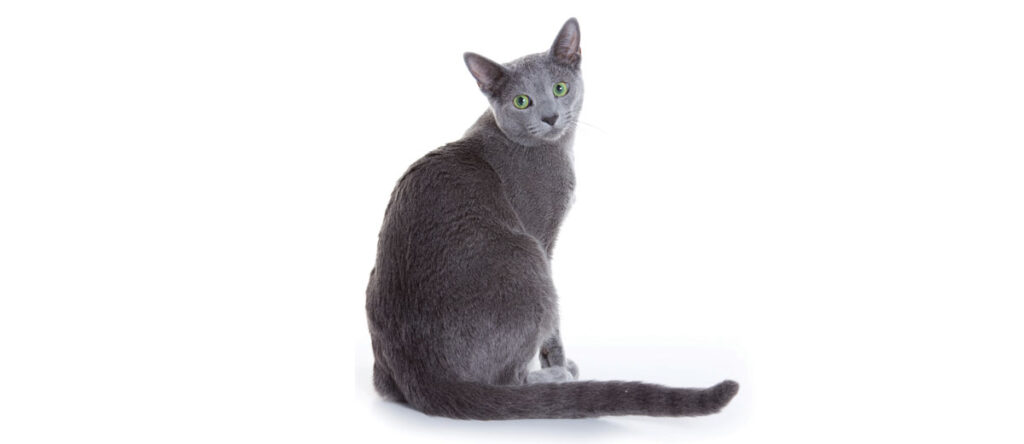
The Russian Blue is one of the most recognizable cat breeds, with a plush blue-gray coat that shimmers in the light and vivid green eyes. It is also known for being gentle, intelligent and a little shy.
Quick facts
- Origin: thought to come from the port of Arkhangelsk in northern Russia
- Weight: roughly 3 to 5.5 kg (7 to 12 lb)
- Lifespan: often 15 years or more
- Coat: short, dense double coat with silver-tipped hairs
Appearance
Russian Blues have a fine-boned but muscular body, a wedge-shaped head and a gently upturned mouth that looks like a smile. The coat is the star: it is so dense that it stands out from the body, and each hair is tipped with silver, which creates the shimmer. Kittens’ eyes start yellow and gradually turn green.
Temperament
These cats form strong bonds with their families and often pick a favorite person. They can be reserved with strangers and may hide when visitors arrive, so give them a quiet retreat. They like routine, enjoy puzzle feeders and games of fetch, and tend to be quiet, with a soft voice.
Grooming
The coat needs less work than the look suggests. A brush once or twice a week removes loose hair and keeps the coat tidy. Like all cats, they benefit from nail trims, dental care and clean ears. Some owners report fewer allergy problems with this breed, but no cat is truly hypoallergenic, so spend time with one before committing if allergies are a concern.
Health and weight
The breed is generally healthy and long-lived. Its main risk is weight gain, because many Russian Blues love food. Measure meals, use puzzle feeders and keep playtime regular. Routine vet visits help catch dental and kidney problems early.
Is this the right cat for you?
A Russian Blue suits a calm home where someone is around most days. If you can offer patience, routine and gentle play, you will gain a devoted companion.
This guide is for general information only and is not a substitute for advice from a qualified veterinarian. If your pet seems unwell, contact your vet.