Aug 26, 2026
How Long Do Guinea Pigs Live?

Guinea pigs live significantly longer than most people expect — and longer than many other popular small pets. According to PetMD’s veterinary team, most domestic guinea pigs live between 5 and 7 years, with some individuals reaching 8 or even beyond with optimal care. This is roughly twice the lifespan of a hamster — which means adopting a guinea pig is a considerably longer commitment than many first-time owners realise. It also means that the quality of care has a real, measurable impact on how many years a guinea pig lives.

Average Lifespan and What Affects It

5 to 7 years is the standard range, but the gap between the lower and upper end is almost entirely determined by care quality.

Lifespan at a glance

Life stage Age What to expect
Young 0–12 months Rapid growth, highest energy, very food-motivated
Adult 1–3 years Peak health and activity; establish routine vet checkups
Middle-aged 3–5 years Considered senior at 3 years; watch for dental disease, arthritis
Senior 5+ years Reduced activity, possible chronic conditions; biannual vet visits recommended

Young (0–12 months)

Notes: Rapid growth, highest energy, very food-motivated

Adult (1–3 years)

Notes: Peak health; establish routine vet checkups

Senior (3+ years)

Notes: Watch for dental disease, arthritis; biannual vet visits

Guinea pigs are considered senior at just 3 years of age — considerably earlier than most owners expect. This means that dental disease, arthritis, ovarian cysts (in females) and other age-related conditions can begin appearing in animals that are still being thought of as young adults. Knowing this changes the monitoring approach: regular weight checks and close observation of eating behaviour become more important from year 3 onward.

Key factors that affect lifespan

  • Diet: hay should make up 80% or more of a guinea pig’s daily intake; a diet heavy in pellets or low in hay is one of the leading causes of dental disease and gut problems
  • Vitamin C intake: guinea pigs cannot synthesise vitamin C and develop scurvy without daily supplementation — this is one of the most commonly missed aspects of their care (see below)
  • Social companionship: guinea pigs kept alone show measurably higher stress levels and shorter lifespans than those kept in pairs or groups
  • Enclosure size: guinea pigs need substantial floor space — a minimum of 120cm x 60cm for two pigs; inadequate space causes chronic stress and reduces activity
  • Veterinary care: annual vet visits for young adults, biannual for seniors — many conditions are easily treated when caught early and life-limiting when caught late

The Vitamin C Factor: A Unique Nutritional Need

Guinea pigs share one nutritional quirk with humans that no other common pet has: they cannot produce their own vitamin C.

Most mammals produce vitamin C internally. Guinea pigs — like humans — lost this ability through evolution and must obtain it entirely from their diet. A guinea pig deficient in vitamin C develops scurvy: swollen, painful joints, rough fur, slow wound healing, weight loss and eventually death if untreated. Early symptoms are subtle and easily missed, which is why proactive supplementation is essential rather than treating deficiency once it appears.

The best sources of vitamin C for guinea pigs:

  • Fresh vegetables daily: bell peppers (especially red and yellow) are the richest source; also parsley, kale, broccoli, spinach in moderation and fresh herbs
  • Hay and fresh grass: timothy hay is low in vitamin C but provides the fibre essential for gut and dental health
  • Vitamin C-enriched pellets: useful as a baseline but vitamin C degrades quickly — pellets more than 90 days old may have lost most of their vitamin C content; always check the manufacturing date
  • Not water drops: liquid vitamin C added to water degrades within hours and is an unreliable supplementation method

Social Needs: Why Guinea Pigs Should Never Live Alone

Guinea pigs are highly social animals — in the wild they live in groups, and isolation causes genuine psychological distress that affects their health and lifespan.

Keeping a single guinea pig — however much human interaction it receives — does not meet its social needs. Guinea pigs communicate constantly with each other through vocalisations (including the characteristic “wheeking” which is reserved almost exclusively for communicating with humans about food), physical proximity and grooming. A lone guinea pig shows elevated cortisol levels and often develops repetitive behaviours that indicate chronic stress. Switzerland has made it illegal to keep a single guinea pig precisely because of this welfare concern.

Compatible pairings and groupings:

  • Two females (sows): the most straightforward pairing; generally compatible with a proper introduction
  • Two neutered males: can work well if introduced young or carefully; unneutered males often fight
  • A neutered male and one or more females: works well; the male should be neutered to prevent breeding
  • Groups of three or more: perfectly normal and often preferable — larger groups are usually more stable than pairs

Signs of Illness to Watch For

Guinea pigs are prey animals that instinctively hide signs of weakness. By the time symptoms are obvious, the condition may already be serious.

  • Weight loss: weigh your guinea pig weekly on a kitchen scale; a loss of more than 50g over a week without a dietary change needs a vet visit
  • Changes in eating or drinking: reduced appetite, dropping food, difficulty chewing or drooling all suggest dental problems — the most common health issue in guinea pigs
  • Laboured breathing or wheezing: respiratory infections develop quickly and can become life-threatening within days; do not wait if breathing is audible or laboured
  • Bloated or hard abdomen: gut stasis (gut slowdown) is an emergency in guinea pigs — if a guinea pig stops passing droppings, contact a vet immediately
  • Changes in droppings: softer, smaller, fewer or oddly shaped droppings indicate dietary or digestive problems
  • Lethargy or hunched posture: a guinea pig that sits hunched in a corner, reluctant to move, is unwell
  • Hair loss or skin changes: fungal infections, mites and hormonal conditions (especially in older females) are common; patches of hair loss need veterinary assessment

Further reading on guinea pig care:

FAQ

Are guinea pigs good pets for children?

They can be, but they require more care than most people expect and do not tolerate rough handling well. Guinea pigs are not naturally cuddly animals — they build trust gradually and on their own terms. They are better suited to calm, patient children who will respect the animal’s signals. Adult supervision and involvement in daily care is essential.

How much space do guinea pigs need?

Far more than most commercial cages provide. The minimum recommended floor space for two guinea pigs is 120cm x 60cm — many pet shop cages are significantly smaller. Most guinea pig welfare organisations recommend purpose-built C&C (Cubes and Coroplast) enclosures that can be built to appropriate size. Multi-story cages with ramps are not ideal as guinea pigs are not climbers and can injure themselves falling.

Do guinea pigs make noise?

Yes — and more than people expect. They wheek loudly (especially when they hear the fridge open or a bag rustle), purr when content, rumble-strut when asserting dominance, and chatter their teeth as a warning. The wheeking in particular is surprisingly loud for a small animal and is directed specifically at humans rather than other guinea pigs.

Can guinea pigs eat the same food as rabbits?

No — and this is a common mistake. Rabbit pellets and mixes do not contain the added vitamin C guinea pigs need. Always use food labelled specifically for guinea pigs. Hay is universal — timothy hay is suitable for both species — but pellets, mixes and treats must be species-appropriate.

This guide is for general information only and is not a substitute for advice from a qualified exotic animal veterinarian. If your guinea pig seems unwell, contact a vet promptly — guinea pigs deteriorate quickly when ill.

More Details
Jun 12, 2026
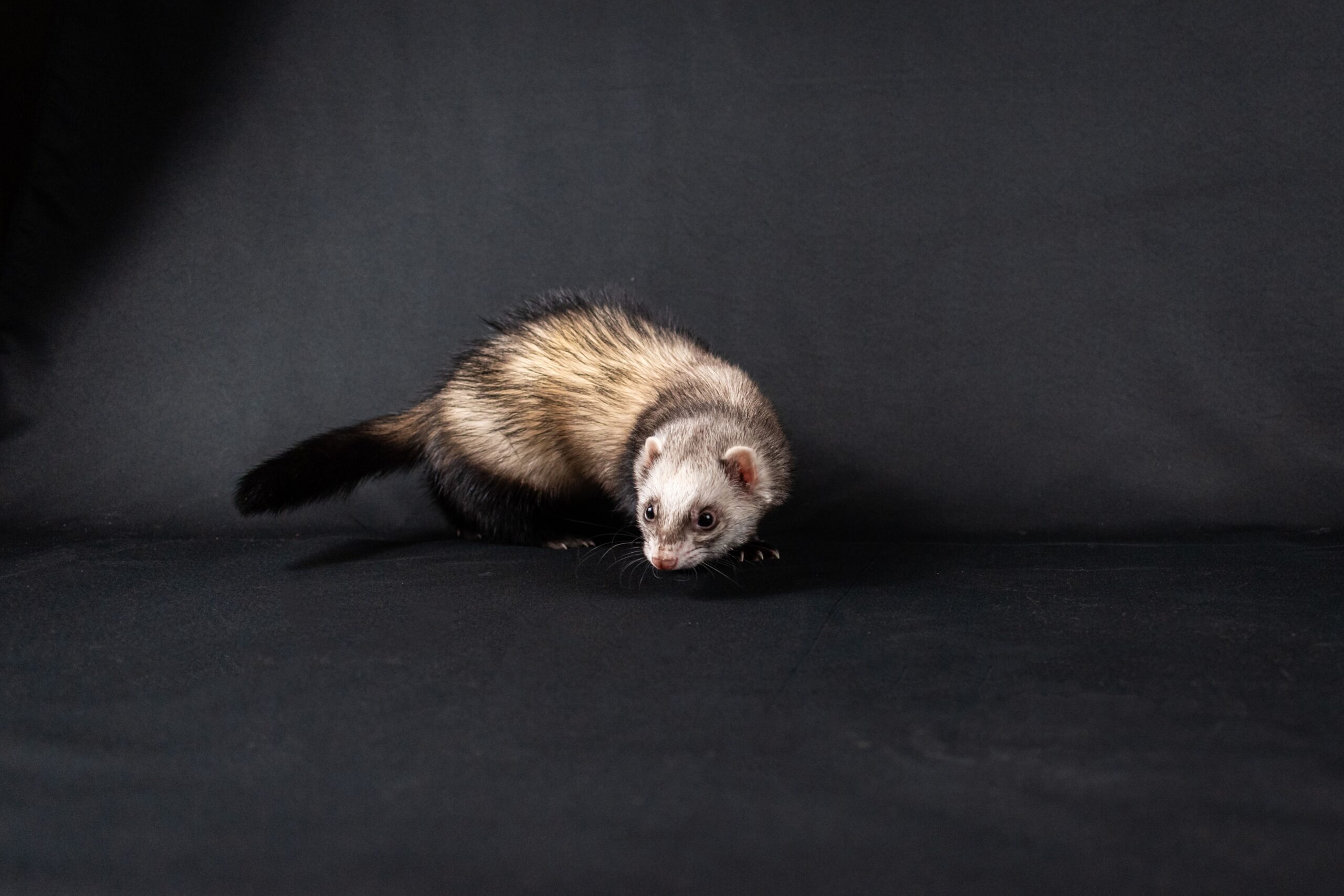
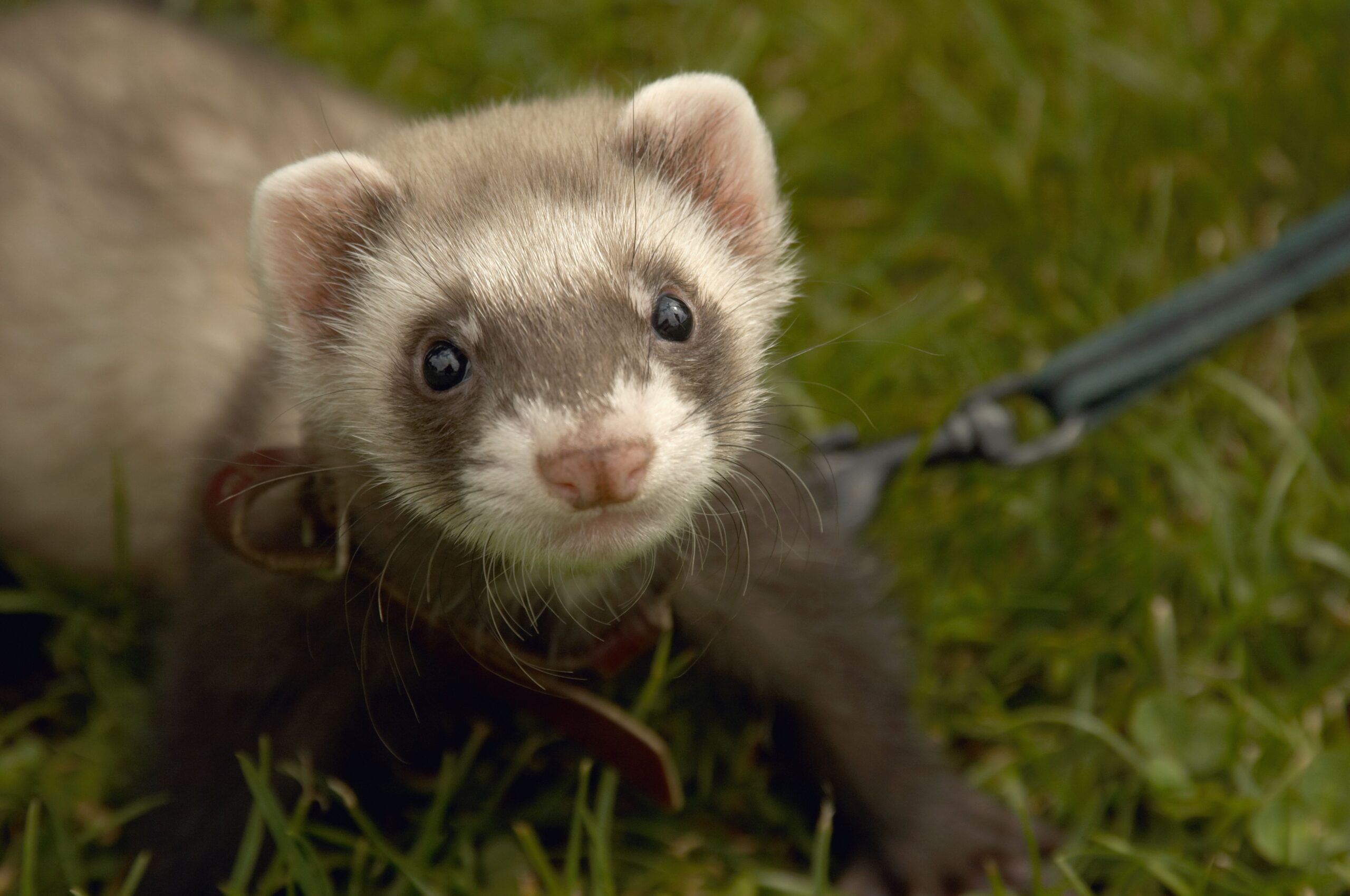
Do Ferrets Smell?

Yes — ferrets have a natural musky smell, and nothing will remove it entirely. The Merck Veterinary Manual is straightforward on this: ferret odour comes primarily from sebaceous glands distributed across the skin, not from the anal sacs — which means that removing the anal sacs, a procedure often marketed as an odour solution, does not affect the musky smell. Understanding where the odour actually comes from is the starting point for managing it effectively — and with the right approach, the smell can be reduced to a level that most people find entirely tolerable.

Where the Smell Actually Comes From

Ferrets are mustelids — the same family as minks, otters and weasels — and musky scent is a biological characteristic of the entire family.

Sebaceous glands: the main source

The primary source of ferret odour is the sebaceous glands — oil-producing glands distributed throughout the skin. These glands continuously secrete oils that give the ferret’s fur and skin their characteristic musky smell. This is a permanent biological feature: every ferret has these glands, they are active all the time and there is no surgical or topical solution that eliminates their output. The sebaceous glands are also why bathing a ferret too frequently actually intensifies the smell — stripping the skin of oils causes the glands to produce more oil to compensate, resulting in a stronger musky scent within days of bathing.

Anal sacs: a separate system

Ferrets also have anal sacs — scent glands near the base of the tail that can release a pungent burst of scent when the ferret is frightened, similarly to a skunk but significantly less potent. These are a different system from the sebaceous glands. Many ferrets sold in the US have their anal sacs removed. The Merck Veterinary Manual states clearly that removing the anal sacs does not affect the musky odour, which is produced by the sebaceous glands. The procedure eliminates the defensive spray but leaves the everyday smell entirely unchanged.

Hormonal contribution in intact ferrets

Intact (unneutered) ferrets — particularly males in breeding season — produce significantly more sebaceous secretion than neutered animals. The Merck Veterinary Manual notes that neutering reduces the musky odour characteristic of mustelids, and this is consistently confirmed by ferret owners. An intact male ferret during breeding season has a much stronger, more persistent odour than a neutered male or a female. Neutering is the single most effective intervention for reducing ferret body odour, and has additional health benefits including reduction of adrenal disease risk.

What Makes Ferret Odour Worse

The natural smell is manageable — these factors amplify it significantly beyond the baseline.

  • Over-bathing: the single most common mistake — bathing a ferret more than once every 2–3 months strips the skin of oils and triggers increased sebaceous production, making the ferret smell worse within days; most of the smell people associate with ferrets comes from the environment, not the ferret itself
  • Dirty enclosure: the majority of the smell in a ferret home comes from the litter box, bedding and cage surfaces, not from the ferret’s body — a clean enclosure dramatically changes the overall smell of a ferret household
  • Poor diet: a diet high in carbohydrates, corn, soy or sugar produces stronger-smelling waste and contributes to more intense body odour; ferrets are obligate carnivores that thrive on high-quality protein-based diets
  • Intact reproductive status: as above — intact males in season are dramatically more pungent than neutered animals
  • Ear wax accumulation: ferrets produce reddish-brown ear wax that, if not cleaned regularly, becomes a significant source of odour distinct from the body scent
  • Health problems: certain conditions including adrenal disease, skin infections and digestive issues can produce stronger or different odours — a sudden change in smell warrants a vet visit

How to Reduce Ferret Odour

In order of effectiveness — start with the most impactful and work down.

Action Impact on odour Frequency
Neuter/spay the ferret High — significantly reduces body scent Once (permanent)
Scoop litter box Very high — most of the smell comes from here Daily
Wash bedding and hammocks High — fabric absorbs and holds scent Weekly
Clean cage surfaces Moderate to high Weekly
Clean ears Moderate — ear wax is a significant odour source Weekly
Feed high-quality protein diet Moderate — reduces waste odour Ongoing
Bathe ferret Temporary only — do not overdo Every 2–3 months maximum

Neuter/spay

Impact: High — significantly reduces body scent

Frequency: Once (permanent)

Scoop litter box

Impact: Very high — most smell comes from here

Frequency: Daily

Wash bedding

Impact: High — fabric holds scent strongly

Frequency: Weekly

Bathe ferret

Impact: Temporary only — can backfire if overdone

Frequency: Every 2–3 months maximum

Common Myths About Ferret Smell

Several widely held beliefs about ferret odour are either incorrect or counterproductive.

  • “Removing the anal glands eliminates the smell”: false — the Merck Veterinary Manual is explicit that removing the anal sacs has no effect on the musky body odour, which comes from the sebaceous glands in the skin; the anal sac removal only eliminates the defensive spray
  • “Bathing regularly keeps the smell down”: the opposite is true — frequent bathing triggers increased oil production, making the ferret smell more within days; maximum once every 2–3 months
  • “Scented sprays and deodorisers solve the problem”: these products mask one smell with another and can irritate a ferret’s sensitive respiratory system; they address none of the underlying sources and are not recommended by exotic veterinarians
  • “Female ferrets don’t smell”: all ferrets have sebaceous glands regardless of sex; females do tend to smell less intensely than intact males, and neutered ferrets of either sex smell less than intact ones, but the idea that female ferrets are odourless is a myth
  • “A smelly ferret means a sick ferret”: not necessarily — a natural, consistent musky smell is normal; a sudden change in smell, a new or different odour, or smell accompanied by other symptoms is worth a vet visit

Further reading on ferret care:

FAQ

How bad does a ferret actually smell?

With proper care — a neutered ferret, daily litter cleaning, weekly bedding washing and a high-quality diet — most people describe the smell as a mild, slightly sweet musk that is noticeable but not unpleasant. The reputation ferrets have for extreme smell typically comes from inadequately cared for animals or intact males. A well-cared-for neutered ferret in a clean environment is considerably less pungent than popular perception suggests.

Will an air purifier help with ferret smell?

Yes — a HEPA air purifier with an activated carbon filter placed near the ferret’s enclosure can meaningfully reduce ambient odour. It is an effective complement to the cleaning routine rather than a substitute for it. Activated carbon specifically absorbs musty and organic odours rather than simply circulating the air.

How often should I clean my ferret’s ears?

Weekly is the standard recommendation. Ferrets produce a reddish-brown waxy discharge that accumulates quickly and becomes a noticeable odour source if left uncleaned. Use a ferret-specific or veterinary-approved ear cleaning solution on a cotton ball — never insert anything into the ear canal. If your ferret resists ear cleaning or the discharge is dark, abundant or smells strongly, a vet check is warranted.

My ferret suddenly smells much stronger than usual. Should I be worried?

A sudden intensification of smell is worth a vet visit. Adrenal disease — one of the most common health conditions in ferrets — causes changes in hormone levels that can increase sebaceous secretion and body odour. Skin infections, ear infections and digestive conditions can also change or intensify the smell. If the change is sudden and not explained by environmental factors (heat, stress, recent bathing), see an exotic animal vet.

This guide is for general information only and is not a substitute for advice from a qualified exotic animal veterinarian. Ferrets have specific health needs — always see a vet experienced with ferrets rather than a standard dog-and-cat practice.

More Details
Mar 7, 2026
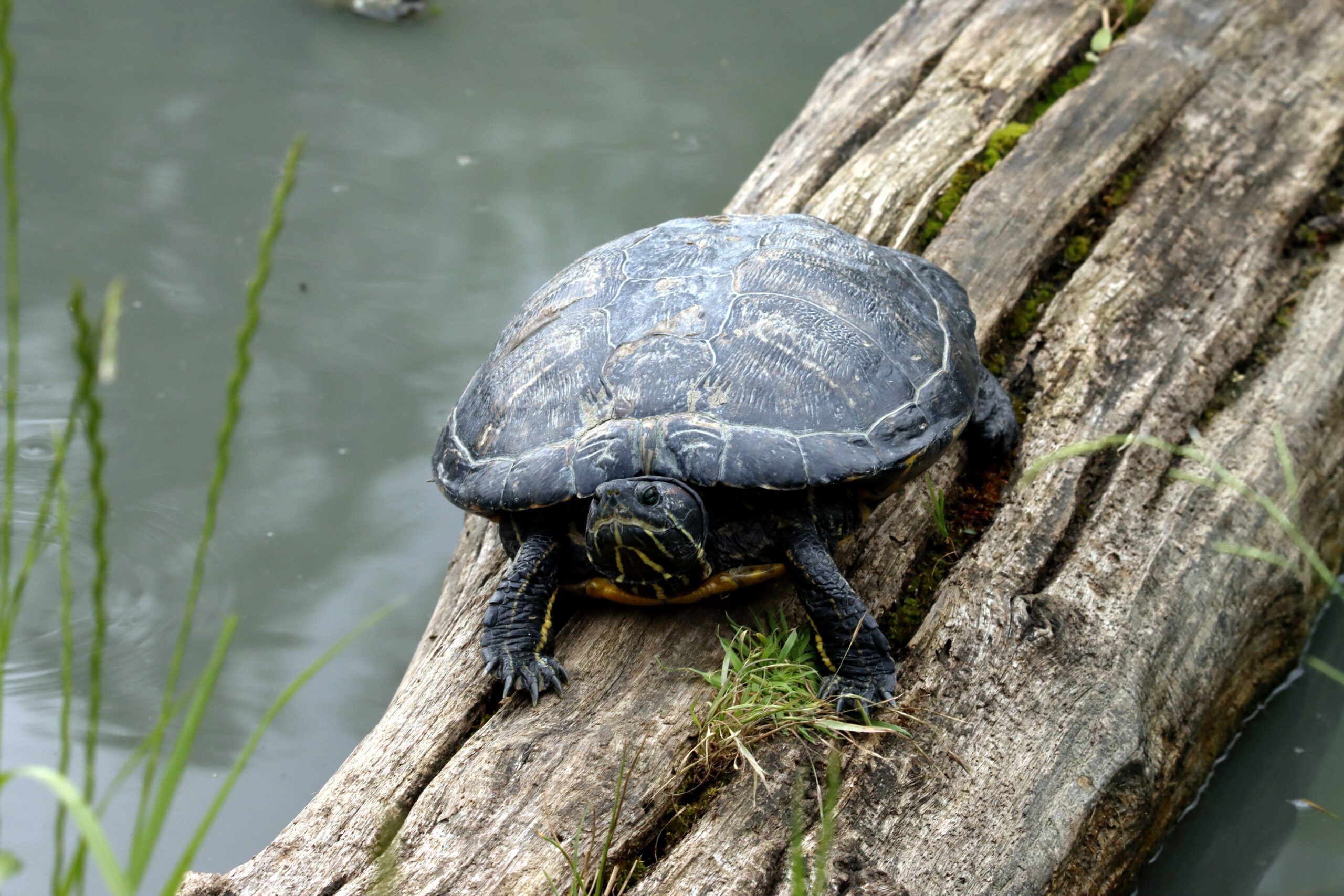
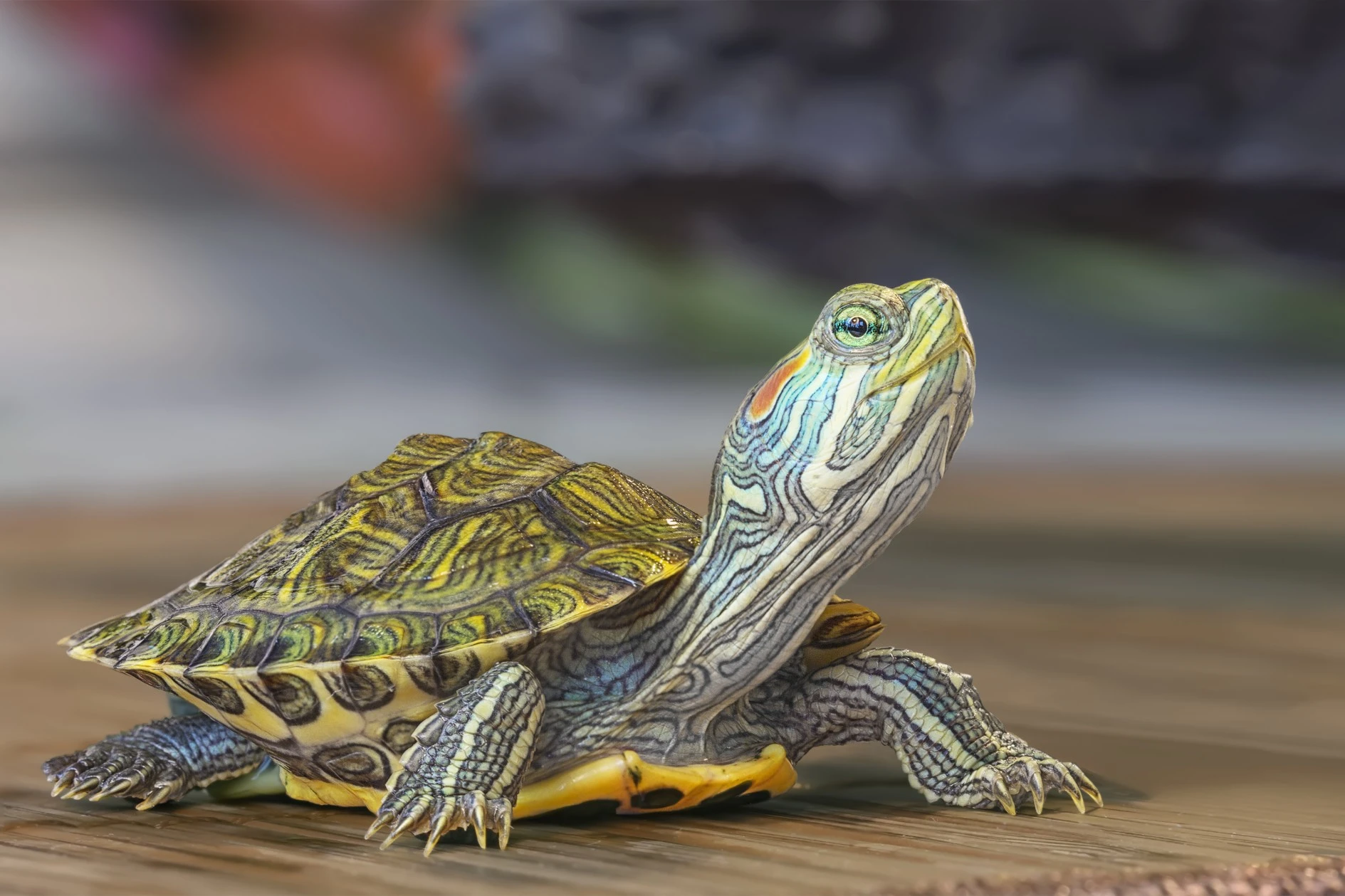
Pet Turtle Care Guide

Pet turtles look simple to care for — a small tank, some water and a few pellets. The reality is considerably more demanding, and the commitment is far longer than most owners anticipate. According to veterinary guidance from Chewy’s exotic vet team, aquatic turtles can live 20 to 40 years and some tortoise species exceed 100 years. A turtle bought as a child’s pet may outlive everyone in the household. Understanding this before bringing one home is the single most important piece of turtle care advice there is.

Common Pet Turtle Species and Their Lifespans

Species matters enormously in turtle care — diet, habitat, temperature and lifespan all vary significantly between species.

Species Type Adult size Lifespan Best for
Red-eared slider Aquatic 20–30 cm 20–40 years Experienced beginners with space for a large tank
Painted turtle Aquatic 10–25 cm 25–30 years Beginners — hardy and active
Musk turtle Aquatic 7–14 cm 30–50 years Beginners — smaller tank requirements
Box turtle Semi-terrestrial 12–20 cm 40–100 years Experienced keepers — complex needs
Hermann’s tortoise Terrestrial 15–30 cm 50–80 years Dedicated keepers — lifelong commitment

Red-eared slider

Type: Aquatic

Lifespan: 20–40 years

Best for: Experienced beginners with a large tank

Painted turtle

Type: Aquatic

Lifespan: 25–30 years

Best for: Beginners — hardy and active

Musk turtle

Type: Aquatic

Lifespan: 30–50 years

Best for: Beginners — smaller tank requirements

Box turtle

Type: Semi-terrestrial

Lifespan: 40–100 years

Best for: Experienced keepers

Habitat: What a Turtle Actually Needs

The small plastic tanks with a palm tree sold in pet shops are not suitable long-term homes for any turtle species. Most turtles require considerably more space and more equipment than buyers are told at the point of purchase.

Tank size

A commonly used guideline for aquatic turtles is 10 gallons of water per 2.5 cm of shell length — which means an adult red-eared slider (up to 30 cm) requires at minimum a 120-litre tank. Baby turtles sold at 5 cm will be adults at 25 cm; buying a small starter tank creates an expensive replacement cycle. A larger tank is always better, and outdoor ponds are excellent for appropriate species in mild climates.

Water quality and filtration

Aquatic turtles are messy — they defecate in the water they live in, eat in and drink from. A high-quality filtration system rated for at least twice the tank volume is essential. Without proper filtration, ammonia and bacteria levels rise rapidly, causing shell rot, respiratory infections and eye disease. Partial water changes of 25–30% every one to two weeks maintain water quality alongside the filter. Water temperature for most aquatic species should be maintained at 24–28°C.

Basking area and heat

All turtles are ectotherms and require a thermal gradient — a warm basking area and cooler water — to regulate their body temperature. The basking spot should reach 30–35°C under a heat lamp positioned above a dry platform the turtle can fully climb out onto. Without adequate basking opportunity, turtles develop respiratory infections and shell problems. A basking platform that the turtle cannot fully exit the water onto is inadequate.

UVB lighting

UVB light is not optional — it enables turtles to synthesise vitamin D3, which is essential for calcium absorption and shell health. A turtle kept without UVB will develop metabolic bone disease and soft shell over time. UVB bulbs must be replaced every 6 months even if they still appear to emit light, as UVB output degrades before visible light does. The bulb must be within the manufacturer’s recommended distance of the basking area and not blocked by glass or plastic, which filters out UVB.

Diet and Nutrition

What a turtle eats depends entirely on species — and feeding the wrong diet is one of the most common causes of health problems in pet turtles.

  • Aquatic turtles (red-eared slider, painted turtle): omnivores — juveniles eat 70% protein (aquatic turtle pellets, feeder fish, earthworms, crickets) and 30% plant matter; adults shift toward 60% plant matter (leafy greens, aquatic plants) and 40% protein
  • Musk turtles: primarily carnivorous — insects, earthworms, small fish, aquatic invertebrates; less plant matter than sliders
  • Box turtles: true omnivores — earthworms, slugs, berries, mushrooms, leafy greens, fruit; diet should closely mirror what they would find in the wild
  • Tortoises: primarily herbivorous — high-fibre grasses and leafy greens; fruit only in small amounts; never feed dog or cat food, dairy or high-protein animal products

All species benefit from calcium supplementation — dust food with a calcium powder without vitamin D3 (since vitamin D3 comes from UVB, not diet) several times per week. Feed aquatic turtles in a separate feeding container to reduce water contamination from uneaten food.

Common Health Problems and Warning Signs

Like all reptiles, turtles hide signs of illness instinctively. By the time symptoms are obvious, the condition is often advanced. These warning signs require prompt veterinary attention from an exotic animal specialist — not a standard dog-and-cat vet.

  • Shell rot (ulcerative shell disease): soft patches, discolouration, pitting or foul smell on the shell indicate bacterial or fungal infection — caused by poor water quality and inadequate basking; requires veterinary treatment and improved husbandry
  • Respiratory infection: wheezing, open-mouth breathing, mucus around the nostrils or mouth, listing to one side while swimming — caused by cold temperatures or poor water quality; requires antibiotics from a reptile vet
  • Swollen or closed eyes: a very common sign of vitamin A deficiency in aquatic turtles fed a poor diet, or of infection; requires veterinary assessment
  • Metabolic bone disease: soft shell, deformed limbs, difficulty moving — caused by insufficient UVB or calcium; reversible if caught early, permanent if advanced
  • Refusal to eat for extended periods: normal during cooler months in some species (brumation); abnormal at other times or when accompanied by lethargy, weight loss or other symptoms
  • Bloating or inability to submerge: a turtle that floats on one side or cannot dive normally may have a respiratory infection or other internal problem requiring urgent assessment

Further reading on turtle care:

FAQ

Can I keep a tiny turtle in a small tank forever?

No. Turtles grow — a red-eared slider sold at 5 cm will reach 25–30 cm as an adult and need a tank of at least 120 litres. The small starter tanks sold with hatchlings are suitable for a few months at most. Planning for the adult size before purchase avoids the most common turtle-keeping mistake.

Do turtles recognise their owners?

Yes — turtles can learn to associate their owners with feeding and will often swim to the front of the tank when their regular keeper approaches. They recognise familiar people through visual and vibrational cues. They are not as demonstratively interactive as dogs or cats, but they are more aware of their surroundings and their keepers than most people expect.

Can I release my turtle into a local pond or river?

No — this is illegal in many countries and ecologically harmful in all of them. Pet turtles may carry diseases that devastate native populations, and species like red-eared sliders are highly invasive in environments outside their natural range, where they outcompete native turtles for food and basking sites. If you can no longer care for a turtle, contact a reptile rescue organisation.

Do pet turtles carry salmonella?

Yes — all reptiles, including turtles, can carry Salmonella bacteria without showing any signs of illness. This is why the US FDA prohibits the sale of turtles under 10 cm shell length, and why careful hand-washing after handling any turtle or cleaning its habitat is essential. Children under 5, elderly people and immunocompromised individuals should take extra precautions.

This guide is for general information only and is not a substitute for advice from a qualified exotic animal veterinarian. Turtle care requirements vary significantly by species — always research your specific species before purchasing.

More Details
Feb 18, 2026
How to Find a Good Vet for an Exotic Pet (and What to Ask)

Quick answer: Search for a veterinarian who regularly treats your type of animal, using directories from groups such as the Association of Reptile and Amphibian Veterinarians (ARAV), the Association of Exotic Mammal Veterinarians (AEMV) and the Association of Avian Veterinarians (AAV). Do this before you buy the animal.

Why a regular vet may not be enough

Reptiles, birds, rabbits, ferrets and other exotic animals have unique anatomy, diets and diseases. A vet without exotic training may miss early signs of illness, which these animals often hide.

Where to find an exotic vet

  • Directories from ARAV, AEMV and AAV
  • Local veterinary schools and referral hospitals
  • Reputable breeders and rescues
  • Local hobbyist groups and forums, double-checked with the vet’s credentials

Questions to ask the clinic

  1. Do you treat my species regularly?
  2. What training or certifications do your vets have?
  3. Do you offer emergency or after-hours care, or refer to someone who does?
  4. What is the cost of a routine exam and a fecal test?
  5. What should I bring to the first appointment?

What to bring to the first visit

  • A fresh fecal sample, if recommended
  • Photos of the enclosure, with temperatures and humidity
  • A list of foods and supplements
  • Any records from the breeder or previous vet

How often to visit

Healthy animals should have a check-up at least once a year, and new pets should be seen shortly after adoption. Seniors or animals with conditions may need more frequent visits.

Signs you should call right away

  • Not eating for longer than is normal for the species
  • Trouble breathing, wheezing or open-mouth breathing
  • Swelling, wounds or discharge
  • Lethargy, falling or loss of balance
  • Changes in droppings or urination

FAQ

Are exotic vet visits more expensive?

They can cost more because of specialized equipment and training. Ask for an estimate.

Can I treat my exotic pet at home?

Do not give medication without veterinary advice, because dosing differs between species.

What if there is no exotic vet nearby?

Ask your local vet about telehealth consultations or referral clinics.

This guide is for general information only and is not a substitute for advice from a qualified veterinarian. If your pet seems unwell, contact your vet.

More Details
Jun 4, 2025
How to Set Up a Reptile Enclosure: Heat, UVB and Humidity Basics

Quick answer: A healthy reptile enclosure needs a temperature gradient (a warm side and a cool side), the right UVB lighting for the species, correct humidity, safe substrate and hiding places. Measure all of it with reliable thermometers and a hygrometer, and control heat with a thermostat.

Step 1: Research the species

Needs differ widely. A desert lizard needs heat and dry air, while a tropical snake needs humidity. Ask a breeder or an exotic vet for the temperature and humidity ranges for your animal.

Step 2: Choose the enclosure

Size matters. Adults generally need much more room than juveniles, so plan for the adult size. Make sure the lid is secure and the ventilation is adequate.

Step 3: Create a temperature gradient

Reptiles regulate body temperature by moving between warm and cool areas.

  • Place a heat source on one side to create a basking area
  • Leave the other side cooler
  • Use a thermostat on every heat device to prevent burns and overheating
  • Measure surface temperature with a digital probe or an infrared thermometer

Avoid hot rocks, which can cause burns.

Step 4: Provide the right lighting

Many diurnal reptiles, such as bearded dragons and iguanas, need UVB light to produce vitamin D3 and absorb calcium. Without it they can develop metabolic bone disease. Use a UVB tube sized to the enclosure, mount it at the recommended distance and replace it on the manufacturer’s schedule, because output declines before the light looks dim.

Step 5: Control humidity

Measure with a hygrometer. Increase humidity with a humid hide, a larger water bowl or misting. For dry-climate species, ensure good ventilation.

Step 6: Pick a safe substrate

Options include reptile carpet, tile, paper towels (good for quarantine) or a bioactive mix for suited species. Avoid loose substrates for juveniles that could be swallowed, and avoid cedar and pine shavings, which can irritate reptiles.

Step 7: Add hides and enrichment

Provide at least two hides, one on the warm side and one on the cool side, plus branches, rocks or plants suited to the species.

Daily and weekly checks

  1. Check temperatures and humidity each day
  2. Provide fresh water daily
  3. Spot-clean droppings
  4. Deep-clean the enclosure on a regular schedule

FAQ

Do all reptiles need UVB?

Many do, but needs differ by species. Ask your reptile vet.

How often should I replace a UVB bulb?

Follow the manufacturer’s guidance, commonly every 6 to 12 months.

Can I use a heat lamp at night?

Use a non-light heat source, such as a ceramic heat emitter, for species that need night heat, and always control it with a thermostat.

This guide is for general information only and is not a substitute for advice from a qualified veterinarian. If your pet seems unwell, contact your vet.

More Details
Feb 14, 2024
Best Exotic Pets for Beginners: 6 Low-Maintenance Options

Quick answer: For beginners, the most forgiving exotic pets are leopard geckos, corn snakes, bearded dragons, Chilean rose tarantulas, guinea pigs and budgerigars. All of them can live for years, so choose based on lifespan and daily care, not looks alone.

How we picked them

These animals are hardy, calm and well documented, and their care requirements are well understood by veterinarians and hobbyists. Prices vary, so compare local breeders and shelters, and ask for captive-bred animals.

1. Leopard gecko

  • Lifespan: about 15 to 20 years
  • Why it suits beginners: small, calm and active at dusk
  • Care notes: a warm side and a cool side, a humid hide and live insects

2. Corn snake

  • Lifespan: about 15 to 20 years
  • Why it suits beginners: docile, hardy and eats frozen-thawed mice
  • Care notes: a secure escape-proof tank and a thermostat on any heat source

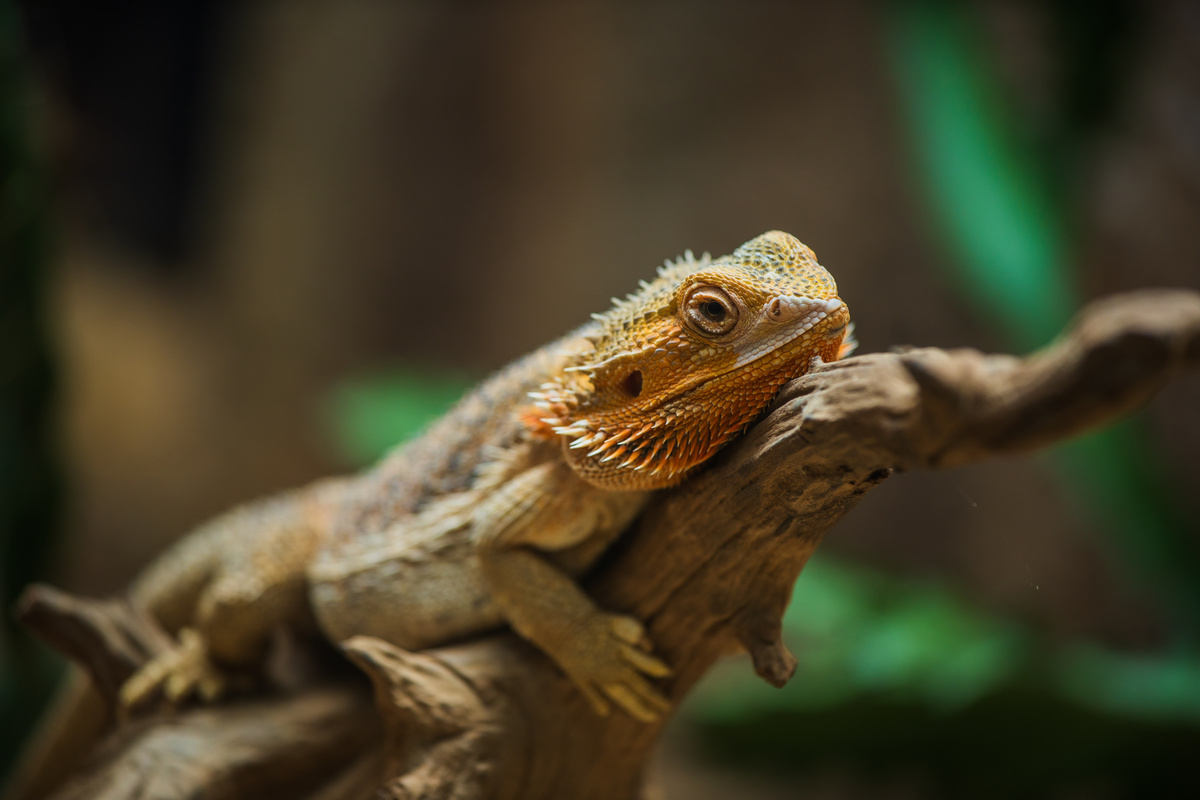
3. Bearded dragon

  • Lifespan: often 8 to 12 years
  • Why it suits beginners: tolerant of handling and easy to read
  • Care notes: strong UVB lighting, a hot basking spot and a varied diet

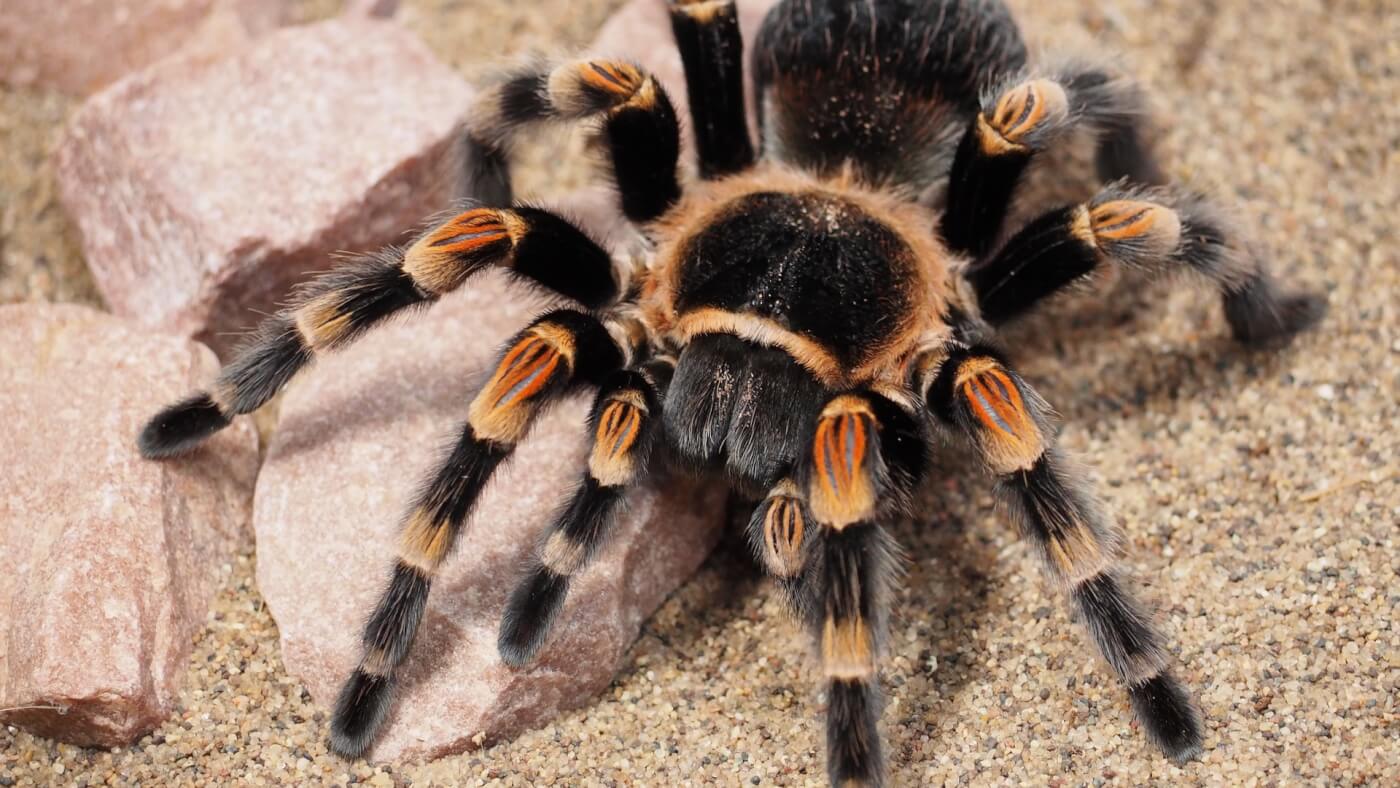
4. Chilean rose tarantula

  • Lifespan: females commonly 15 to 20 years or more
  • Why it suits beginners: slow, quiet and docile
  • Care notes: a deep substrate, a water dish and minimal handling

5. Guinea pigs

  • Lifespan: about 5 to 7 years
  • Why it suits beginners: social, gentle and vocal
  • Care notes: keep them in pairs, offer unlimited hay and daily vitamin C

6. Budgerigar (parakeet)

  • Lifespan: commonly 5 to 10 years
  • Why it suits beginners: small, social and can learn to mimic sounds
  • Care notes: a spacious cage, daily time out, a varied diet and avian vet care

Costs to consider

Plan for the animal, the enclosure, heating and lighting, food, and emergency vet care. Reptile and exotic vets are less common than dog and cat vets, so find one before you buy.

Questions to ask yourself

  • Can I commit for the animal’s full lifespan?
  • Is it legal where I live?
  • Do I have a vet who treats this species?
  • Am I comfortable feeding live or frozen prey, if required?

FAQ

What is the easiest exotic pet to take care of?

Leopard geckos and corn snakes are commonly recommended because of their calm nature and hardiness.

Are exotic pets safe for children?

Reptiles can carry Salmonella, so always supervise and wash hands after contact. Guinea pigs and budgies are usually better for young children.

Where should I buy an exotic pet?

Choose a reputable breeder or rescue and avoid wild-caught animals.

This guide is for general information only and is not a substitute for advice from a qualified veterinarian. If your pet seems unwell, contact your vet.

More Details
Jul 26, 2023
Rabbits as Pets: A Practical Care Guide

Rabbits look like low-maintenance pets, but they are social, intelligent prey animals with very specific needs. Done well, rabbit keeping is rewarding: a healthy house rabbit can live 8 to 12 years and develops a clear personality.

Quick facts

  • Lifespan: about 8 to 12 years with good care
  • Diet: unlimited grass hay, daily leafy greens, a small portion of pellets
  • Social needs: most rabbits do best with a bonded partner or plenty of daily company
  • Vet care: needs a vet with rabbit experience; spaying or neutering is strongly recommended

Housing and space

A rabbit needs room to hop, stretch out fully and stand upright on its hind legs. A small cage is not enough on its own. Use a large pen or a rabbit-proofed room, and aim for several hours of exercise outside the enclosure each day. Provide a solid floor, a hiding box and a litter tray filled with paper-based litter or hay. Wire floors are hard on their feet.

What rabbits eat

Their digestive system depends on fiber. Unlimited grass hay such as timothy should make up most of the diet, because it keeps the gut moving and wears down teeth that never stop growing. Add a handful of fresh leafy greens every day and a small measured portion of plain pellets. Treat fruit and carrots as occasional extras, not staples.

Behavior and bonding

Rabbits communicate with body language. A flop onto the side means relaxation, a thump of the back foot signals alarm, and a “binky” (a sudden jump and twist) is pure joy. Never pick a rabbit up by the ears, and support the hindquarters when you lift one. Many rabbits prefer to come to you rather than being carried. Introduce a second rabbit slowly, on neutral ground, and neuter both first.

Common problems to watch for

  • Gut slowdown: if your rabbit stops eating or producing droppings for more than 12 hours, treat it as an emergency and call a vet
  • Overgrown teeth: drooling, dropping food or weight loss can point to dental trouble
  • Heat stress: rabbits cope poorly above roughly 27°C (80°F), so keep them cool and shaded
  • Chewing hazards: cover electrical cords and remove toxic houseplants

Is a rabbit right for you?

Plan for daily fresh food, litter cleaning, exercise time and annual vet checks, plus a rabbit-savvy vet for emergencies. If you can offer that, a rabbit can be a gentle, funny companion for many years.

This guide is for general information only and is not a substitute for advice from a qualified veterinarian. If your pet seems unwell, contact your vet.

More Details
Jul 24, 2023
Pet Tarantulas: What Beginners Should Know

Tarantulas have a reputation for being scary, yet they are among the quietest and tidiest exotic pets. They are best treated as animals to observe rather than to handle.

Quick facts

  • Lifespan: females of many species live 15 to 25 years, males usually far less
  • Feeding: adults eat insects such as crickets or roaches roughly every one to two weeks
  • Handling: not recommended, for the animal’s sake and yours
  • Temperature: most species do well around 22 to 27°C (72 to 80°F)

Choosing a first species

Calm, hardy, ground-dwelling species are the usual beginner choices, for example the Chilean rose (Grammostola rosea) or the curly hair tarantula (Tliltocatl albopilosus). Fast, skittish or tree-dwelling species are better left until you have experience. Buy captive-bred animals from a reputable breeder and check local laws, because some species are protected.

Setting up the enclosure

A secure, well-ventilated enclosure with a tight lid is essential. Ground-dwelling species need floor space and several centimeters of substrate to burrow, while tree-dwelling species need height. Add a hide and a shallow water dish, and keep humidity appropriate to the species. Avoid heat rocks and keep decorations low, since a fall can seriously injure a tarantula.

Feeding and molting

Feed prey no larger than the tarantula’s body. Remove any uneaten prey after a day, because live insects can injure a molting spider. A tarantula that suddenly refuses food and looks dull is often preparing to molt, so leave it undisturbed and keep the water dish full. Molting can take hours, and the spider needs several days to harden afterwards.

Safety

Many American species flick irritating hairs from the abdomen when stressed, which can inflame skin and eyes. Wash your hands after any contact with the enclosure and avoid touching your face. Bites are uncommon with calm species but can be painful, so work slowly with long tweezers.

Is a tarantula right for you?

If you enjoy watching behavior, don’t mind feeding live insects and want a long-lived pet that needs little space, a tarantula can be a rewarding choice.

This guide is for general information only and is not a substitute for advice from a qualified veterinarian. If your pet seems unwell, contact your vet.

More Details
Jul 24, 2023
Green Iguanas as Pets: What You Need to Know

Young green iguanas look small and manageable, but they grow quickly. An adult can reach 1.5 to 2 meters (5 to 6 feet) including the tail and live 15 to 20 years, so this is a serious long-term commitment.

Quick facts

  • Adult length: up to about 1.5 to 2 m (5 to 6 ft), most of it tail
  • Lifespan: commonly 15 to 20 years
  • Diet: herbivore, mostly leafy greens and vegetables
  • Lighting: UVB light is essential

Space and temperature

An adult iguana needs a room-sized enclosure or a custom-built cage, with branches to climb and a warm basking area. Aim for a basking spot of around 35 to 38°C (95 to 100°F) and a cooler zone in the high 20s °C (low 80s °F), with fairly high humidity. A thermometer at each end of the enclosure helps you keep the gradient right.

Lighting and health

Iguanas need UVB light to make vitamin D and absorb calcium. Without it they develop metabolic bone disease, which causes weak bones and deformities. Use a proper reptile UVB bulb on a timer for 10 to 12 hours a day and replace it as the manufacturer advises, since output fades before the light looks dim.

Diet

Feed a variety of leafy greens such as collard, mustard and turnip greens, plus vegetables and a little fruit. Avoid animal protein, which can harm the kidneys over time. Offer fresh water and use a calcium supplement as recommended by a reptile vet. Chop food into small pieces.

Temperament and handling

Hand-raised iguanas can be calm, but adults are strong and can bite or whip with the tail when stressed. Move slowly and learn the warning signs: head bobbing, a puffed-up dewlap and tail twitching. Like other reptiles, iguanas can carry Salmonella, so wash your hands after handling them or cleaning the cage.

Before you buy

Check local laws, because some regions restrict iguanas. Find an exotic-animal vet before you need one, and make sure you can provide space, heat and light for the animal’s whole life. If you can, an iguana is a fascinating, intelligent reptile.

This guide is for general information only and is not a substitute for advice from a qualified veterinarian. If your pet seems unwell, contact your vet.

More Details
Jul 23, 2023
Bearded Dragons: A Beginner-Friendly Reptile

Bearded dragons (genus *Pogona*) come from Australia and have become one of the most popular pet reptiles thanks to their calm nature and expressive behavior.

Quick facts

  • Adult length: about 40 to 60 cm (16 to 24 in)
  • Lifespan: commonly 8 to 12 years
  • Diet: omnivore, insects plus daily greens
  • Lighting: strong UVB and a hot basking spot

Habitat

Adults need an enclosure of roughly 120 x 60 x 60 cm (4 x 2 x 2 ft) or larger. Create a basking area of about 38 to 42°C (100 to 108°F) and a cooler side in the mid-20s °C (mid-70s °F). A UVB tube across much of the enclosure lets the dragon make vitamin D3, and a night temperature that stays above about 18°C (65°F) is usually fine. Use a solid, non-loose substrate such as tile or reptile carpet for young animals to avoid impaction.

Feeding

Juveniles eat mostly insects such as dubia roaches and crickets, with a little salad. Adults shift the balance toward greens like collard, mustard and dandelion, with insects a few times a week. Dust food with calcium, and a multivitamin on a schedule your reptile vet recommends. Never feed wild-caught insects or fireflies, which can be toxic.

Behavior

Head bobbing, arm waving and a black beard are signals of dominance, stress or courtship. Waving usually means submission. Bearded dragons are generally tolerant of gentle handling, but they should never be housed together, as they can fight.

Common health issues

  • Metabolic bone disease from poor UVB or calcium
  • Parasites, so have a fecal test at the first vet visit
  • Respiratory infection from low temperatures or poor ventilation

Final thoughts

With the right lighting, a varied diet and gentle handling, a bearded dragon is a charming companion that rewards a little daily attention. Wash your hands after contact, as reptiles can carry Salmonella.

This guide is for general information only and is not a substitute for advice from a qualified veterinarian. If your pet seems unwell, contact your vet.

More Details