Jul 24, 2023
Pet Tarantulas: What Beginners Should Know
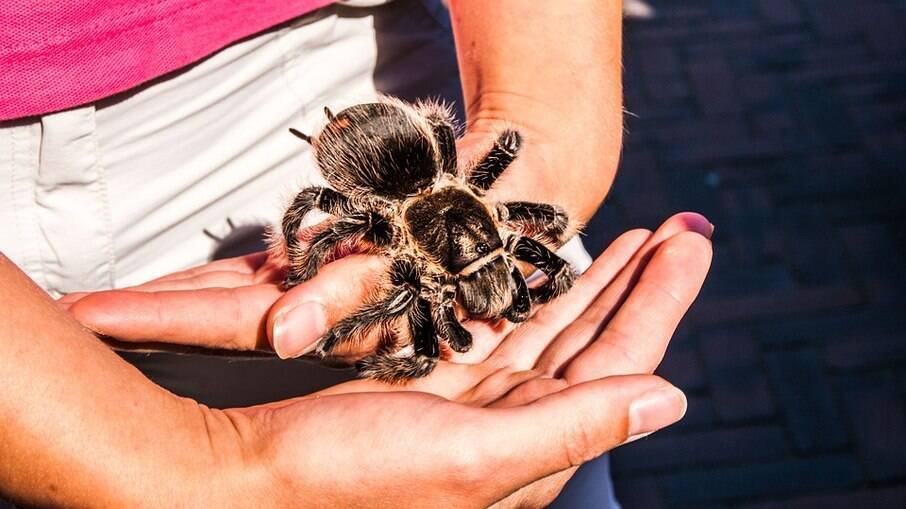
Tarantulas have a reputation for being scary, yet they are among the quietest and tidiest exotic pets. They are best treated as animals to observe rather than to handle.
Quick facts
- Lifespan: females of many species live 15 to 25 years, males usually far less
- Feeding: adults eat insects such as crickets or roaches roughly every one to two weeks
- Handling: not recommended, for the animal’s sake and yours
- Temperature: most species do well around 22 to 27°C (72 to 80°F)
Choosing a first species
Calm, hardy, ground-dwelling species are the usual beginner choices, for example the Chilean rose (Grammostola rosea) or the curly hair tarantula (Tliltocatl albopilosus). Fast, skittish or tree-dwelling species are better left until you have experience. Buy captive-bred animals from a reputable breeder and check local laws, because some species are protected.
Setting up the enclosure
A secure, well-ventilated enclosure with a tight lid is essential. Ground-dwelling species need floor space and several centimeters of substrate to burrow, while tree-dwelling species need height. Add a hide and a shallow water dish, and keep humidity appropriate to the species. Avoid heat rocks and keep decorations low, since a fall can seriously injure a tarantula.
Feeding and molting
Feed prey no larger than the tarantula’s body. Remove any uneaten prey after a day, because live insects can injure a molting spider. A tarantula that suddenly refuses food and looks dull is often preparing to molt, so leave it undisturbed and keep the water dish full. Molting can take hours, and the spider needs several days to harden afterwards.
Safety
Many American species flick irritating hairs from the abdomen when stressed, which can inflame skin and eyes. Wash your hands after any contact with the enclosure and avoid touching your face. Bites are uncommon with calm species but can be painful, so work slowly with long tweezers.
Is a tarantula right for you?
If you enjoy watching behavior, don’t mind feeding live insects and want a long-lived pet that needs little space, a tarantula can be a rewarding choice.
This guide is for general information only and is not a substitute for advice from a qualified veterinarian. If your pet seems unwell, contact your vet.