Jul 26, 2023
Rabbits as Pets: A Practical Care Guide

Rabbits look like low-maintenance pets, but they are social, intelligent prey animals with very specific needs. Done well, rabbit keeping is rewarding: a healthy house rabbit can live 8 to 12 years and develops a clear personality.

Quick facts

  • Lifespan: about 8 to 12 years with good care
  • Diet: unlimited grass hay, daily leafy greens, a small portion of pellets
  • Social needs: most rabbits do best with a bonded partner or plenty of daily company
  • Vet care: needs a vet with rabbit experience; spaying or neutering is strongly recommended

Housing and space

A rabbit needs room to hop, stretch out fully and stand upright on its hind legs. A small cage is not enough on its own. Use a large pen or a rabbit-proofed room, and aim for several hours of exercise outside the enclosure each day. Provide a solid floor, a hiding box and a litter tray filled with paper-based litter or hay. Wire floors are hard on their feet.

What rabbits eat

Their digestive system depends on fiber. Unlimited grass hay such as timothy should make up most of the diet, because it keeps the gut moving and wears down teeth that never stop growing. Add a handful of fresh leafy greens every day and a small measured portion of plain pellets. Treat fruit and carrots as occasional extras, not staples.

Behavior and bonding

Rabbits communicate with body language. A flop onto the side means relaxation, a thump of the back foot signals alarm, and a “binky” (a sudden jump and twist) is pure joy. Never pick a rabbit up by the ears, and support the hindquarters when you lift one. Many rabbits prefer to come to you rather than being carried. Introduce a second rabbit slowly, on neutral ground, and neuter both first.

Common problems to watch for

  • Gut slowdown: if your rabbit stops eating or producing droppings for more than 12 hours, treat it as an emergency and call a vet
  • Overgrown teeth: drooling, dropping food or weight loss can point to dental trouble
  • Heat stress: rabbits cope poorly above roughly 27°C (80°F), so keep them cool and shaded
  • Chewing hazards: cover electrical cords and remove toxic houseplants

Is a rabbit right for you?

Plan for daily fresh food, litter cleaning, exercise time and annual vet checks, plus a rabbit-savvy vet for emergencies. If you can offer that, a rabbit can be a gentle, funny companion for many years.

This guide is for general information only and is not a substitute for advice from a qualified veterinarian. If your pet seems unwell, contact your vet.

More Details
Jul 24, 2023
Pet Tarantulas: What Beginners Should Know

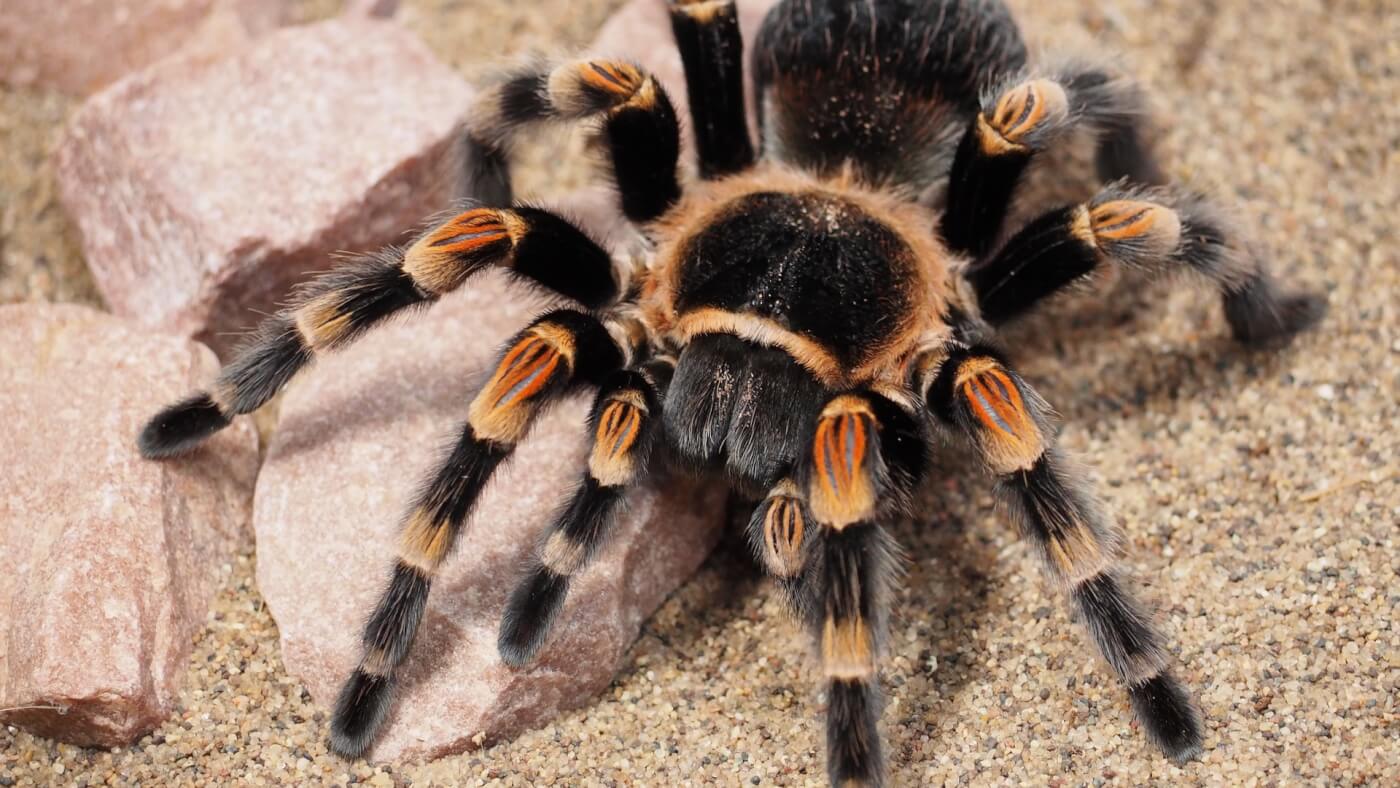
Tarantulas have a reputation for being scary, yet they are among the quietest and tidiest exotic pets. They are best treated as animals to observe rather than to handle.

Quick facts

  • Lifespan: females of many species live 15 to 25 years, males usually far less
  • Feeding: adults eat insects such as crickets or roaches roughly every one to two weeks
  • Handling: not recommended, for the animal’s sake and yours
  • Temperature: most species do well around 22 to 27°C (72 to 80°F)

Choosing a first species

Calm, hardy, ground-dwelling species are the usual beginner choices, for example the Chilean rose (Grammostola rosea) or the curly hair tarantula (Tliltocatl albopilosus). Fast, skittish or tree-dwelling species are better left until you have experience. Buy captive-bred animals from a reputable breeder and check local laws, because some species are protected.

Setting up the enclosure

A secure, well-ventilated enclosure with a tight lid is essential. Ground-dwelling species need floor space and several centimeters of substrate to burrow, while tree-dwelling species need height. Add a hide and a shallow water dish, and keep humidity appropriate to the species. Avoid heat rocks and keep decorations low, since a fall can seriously injure a tarantula.

Feeding and molting

Feed prey no larger than the tarantula’s body. Remove any uneaten prey after a day, because live insects can injure a molting spider. A tarantula that suddenly refuses food and looks dull is often preparing to molt, so leave it undisturbed and keep the water dish full. Molting can take hours, and the spider needs several days to harden afterwards.

Safety

Many American species flick irritating hairs from the abdomen when stressed, which can inflame skin and eyes. Wash your hands after any contact with the enclosure and avoid touching your face. Bites are uncommon with calm species but can be painful, so work slowly with long tweezers.

Is a tarantula right for you?

If you enjoy watching behavior, don’t mind feeding live insects and want a long-lived pet that needs little space, a tarantula can be a rewarding choice.

This guide is for general information only and is not a substitute for advice from a qualified veterinarian. If your pet seems unwell, contact your vet.
More Details
Jul 24, 2023
Green Iguanas as Pets: What You Need to Know

Young green iguanas look small and manageable, but they grow quickly. An adult can reach 1.5 to 2 meters (5 to 6 feet) including the tail and live 15 to 20 years, so this is a serious long-term commitment.

Quick facts

  • Adult length: up to about 1.5 to 2 m (5 to 6 ft), most of it tail
  • Lifespan: commonly 15 to 20 years
  • Diet: herbivore, mostly leafy greens and vegetables
  • Lighting: UVB light is essential

Space and temperature

An adult iguana needs a room-sized enclosure or a custom-built cage, with branches to climb and a warm basking area. Aim for a basking spot of around 35 to 38°C (95 to 100°F) and a cooler zone in the high 20s °C (low 80s °F), with fairly high humidity. A thermometer at each end of the enclosure helps you keep the gradient right.

Lighting and health

Iguanas need UVB light to make vitamin D and absorb calcium. Without it they develop metabolic bone disease, which causes weak bones and deformities. Use a proper reptile UVB bulb on a timer for 10 to 12 hours a day and replace it as the manufacturer advises, since output fades before the light looks dim.

Diet

Feed a variety of leafy greens such as collard, mustard and turnip greens, plus vegetables and a little fruit. Avoid animal protein, which can harm the kidneys over time. Offer fresh water and use a calcium supplement as recommended by a reptile vet. Chop food into small pieces.

Temperament and handling

Hand-raised iguanas can be calm, but adults are strong and can bite or whip with the tail when stressed. Move slowly and learn the warning signs: head bobbing, a puffed-up dewlap and tail twitching. Like other reptiles, iguanas can carry Salmonella, so wash your hands after handling them or cleaning the cage.

Before you buy

Check local laws, because some regions restrict iguanas. Find an exotic-animal vet before you need one, and make sure you can provide space, heat and light for the animal’s whole life. If you can, an iguana is a fascinating, intelligent reptile.

This guide is for general information only and is not a substitute for advice from a qualified veterinarian. If your pet seems unwell, contact your vet.

More Details
Jul 23, 2023
Bearded Dragons: A Beginner-Friendly Reptile

Bearded dragons (genus *Pogona*) come from Australia and have become one of the most popular pet reptiles thanks to their calm nature and expressive behavior.

Quick facts

  • Adult length: about 40 to 60 cm (16 to 24 in)
  • Lifespan: commonly 8 to 12 years
  • Diet: omnivore, insects plus daily greens
  • Lighting: strong UVB and a hot basking spot

Habitat

Adults need an enclosure of roughly 120 x 60 x 60 cm (4 x 2 x 2 ft) or larger. Create a basking area of about 38 to 42°C (100 to 108°F) and a cooler side in the mid-20s °C (mid-70s °F). A UVB tube across much of the enclosure lets the dragon make vitamin D3, and a night temperature that stays above about 18°C (65°F) is usually fine. Use a solid, non-loose substrate such as tile or reptile carpet for young animals to avoid impaction.

Feeding

Juveniles eat mostly insects such as dubia roaches and crickets, with a little salad. Adults shift the balance toward greens like collard, mustard and dandelion, with insects a few times a week. Dust food with calcium, and a multivitamin on a schedule your reptile vet recommends. Never feed wild-caught insects or fireflies, which can be toxic.

Behavior

Head bobbing, arm waving and a black beard are signals of dominance, stress or courtship. Waving usually means submission. Bearded dragons are generally tolerant of gentle handling, but they should never be housed together, as they can fight.

Common health issues

  • Metabolic bone disease from poor UVB or calcium
  • Parasites, so have a fecal test at the first vet visit
  • Respiratory infection from low temperatures or poor ventilation

Final thoughts

With the right lighting, a varied diet and gentle handling, a bearded dragon is a charming companion that rewards a little daily attention. Wash your hands after contact, as reptiles can carry Salmonella.

This guide is for general information only and is not a substitute for advice from a qualified veterinarian. If your pet seems unwell, contact your vet.
More Details
Jul 22, 2023
Ferrets as Pets: Personality, Diet and Care

Ferrets belong to the Mustelidae family and have been domesticated for centuries. They are energetic, mischievous animals that sleep a lot (12 to 18 hours a day) and then burst into play.

Quick facts

  • Lifespan: typically 5 to 8 years
  • Diet: strict carnivore, needs high-protein, high-fat food
  • Social: best kept in pairs or groups
  • Legal note: ferrets are restricted in some places, so check local rules

Housing and play

Choose a multi-level wire cage with solid flooring, a hammock, a litter box and hiding spots. Ferrets need several hours outside the cage daily in a ferret-proofed area. They squeeze into tiny gaps, so block holes, secure appliances and remove foam, rubber and small items they could swallow.

Diet

Ferrets are obligate carnivores with a short digestive tract. Feed a high-quality ferret or kitten food, high in animal protein and low in plant matter, or an appropriate raw or whole-prey diet under vet guidance. Avoid sugar, dairy and vegetables, which they cannot digest well.

Personality

They love tunnels, hiding objects and “dooking,” a soft chuckling sound of excitement. Ferrets can nip when young, so gentle training matters. Spending time playing builds a strong bond.

Health care

Ferrets need annual vet exams, vaccines (such as distemper and rabies where available) and dental care. Common problems include adrenal disease, insulinoma and gastrointestinal blockages from swallowed items. Their natural odor is mild, and bathing too often makes it worse.

Is a ferret right for you?

They are a fun pet if you can offer daily play and a ferret-savvy vet.

This guide is for general information only and is not a substitute for advice from a qualified veterinarian. If your pet seems unwell, contact your vet.

More Details
Jul 20, 2023
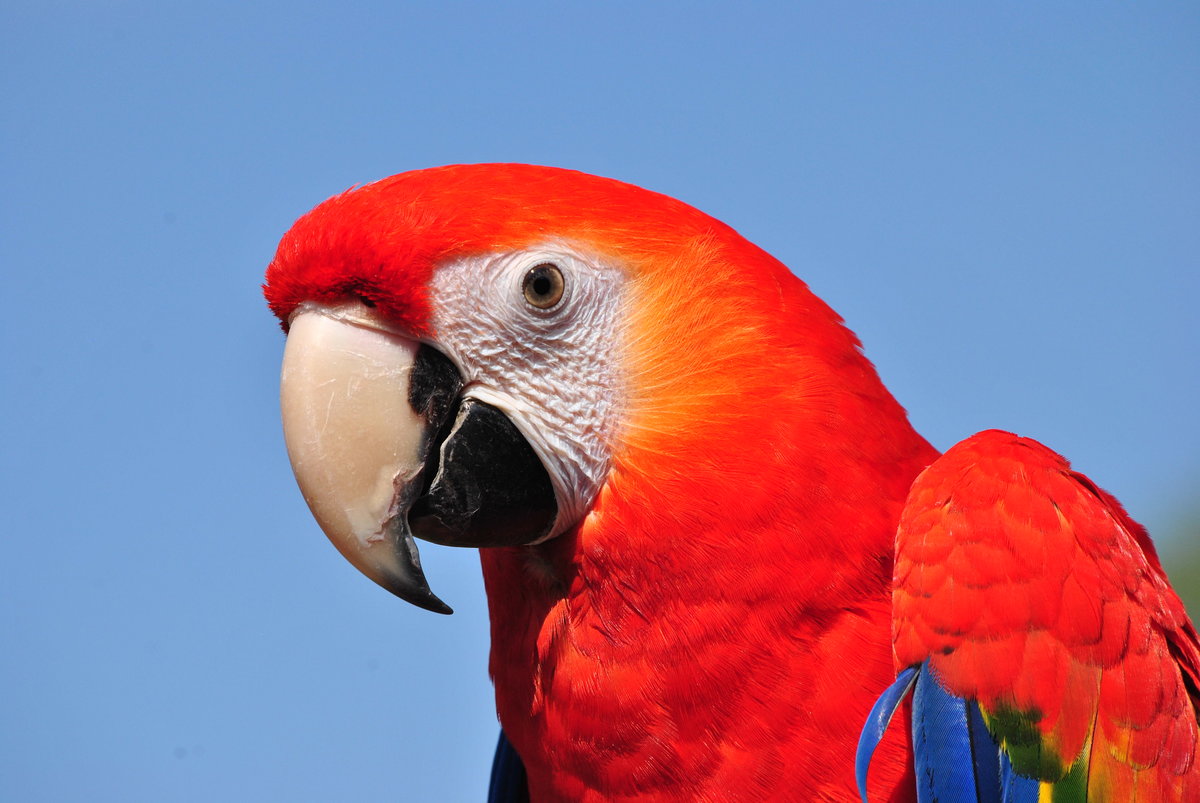
Parrots as Pets: Intelligence, Diet and Daily Needs

Parrots are among the most intelligent birds. They can learn words, solve puzzles and form deep bonds, but they can also live for decades and need constant engagement.

Quick facts

  • Lifespan: from about 15 years (small parakeets are shorter) to 60+ for large species
  • Diet: pellets, vegetables, some fruit, limited seeds
  • Social needs: hours of interaction daily
  • Noise: loud contact calls are normal

Cage and space

Choose the largest cage you can afford, with bar spacing suited to the species, plus daily time out of the cage for flying and climbing. Offer perches of different diameters, natural wood branches and safe toys to chew.

Diet

A seed-only diet is a common cause of poor health. Build the diet around quality pellets with fresh vegetables and some fruit. Avocado, chocolate, caffeine and alcohol are toxic to birds.

Mental stimulation

Parrots get bored easily, which can lead to screaming or feather plucking. Rotate toys, offer foraging puzzles and train with positive reinforcement. Talking ability varies by species and individual.

Health and safety

Non-stick cookware (PTFE) and aerosol fumes can be fatal to birds, so keep them away from the kitchen. Look for fluffed feathers, tail bobbing, or changes in droppings and see an avian vet promptly. Annual checks are wise.

Commitment

A parrot is a lifetime companion. Make sure you have the time, space and budget before you bring one home.

This guide is for general information only and is not a substitute for advice from a qualified veterinarian. If your pet seems unwell, contact your vet.
More Details
Jul 18, 2023
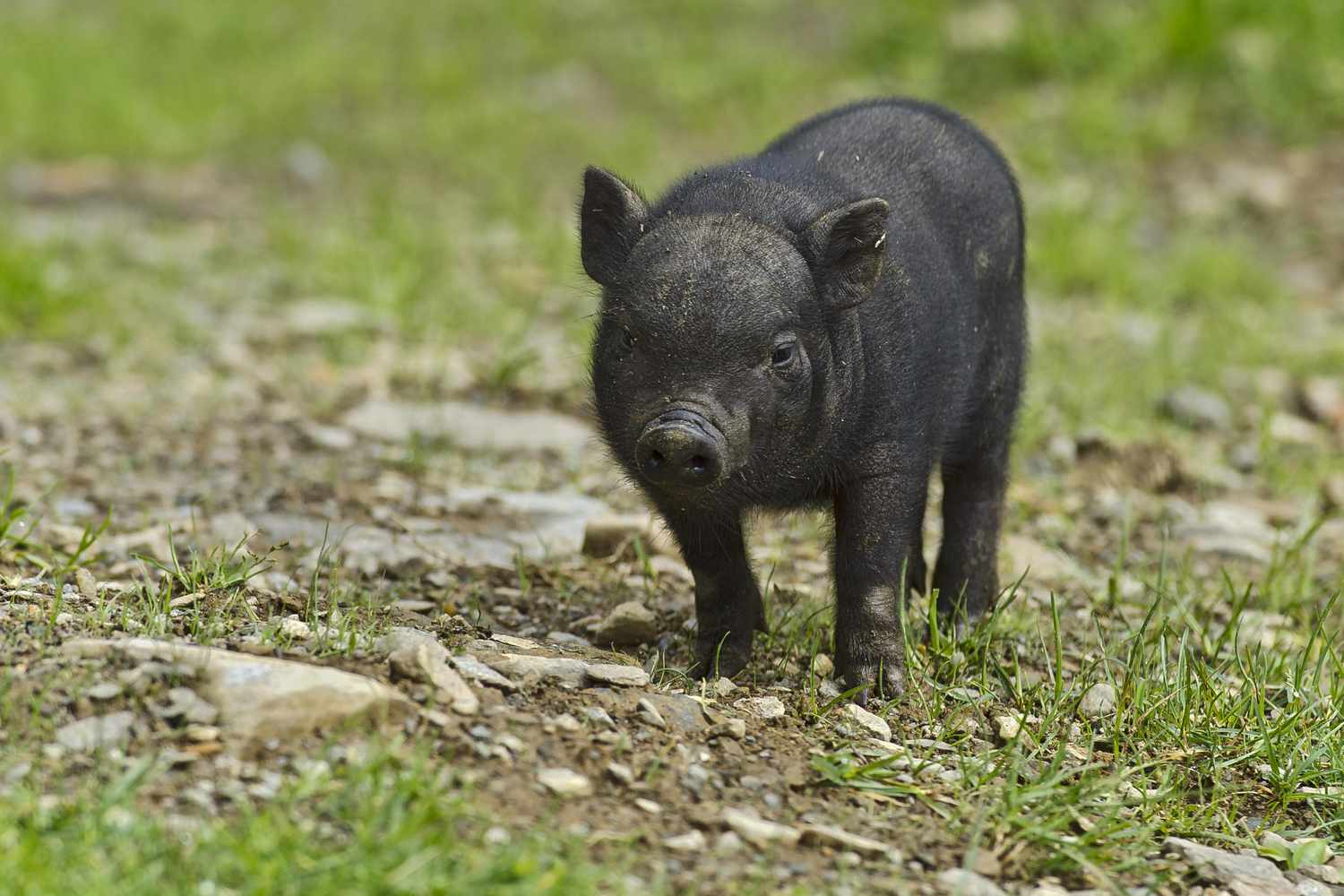
Pot-Bellied Pigs: Are They Right for You?

Vietnamese pot-bellied pigs are often marketed as “mini pigs,” but adults commonly weigh 30 to 70 kg (65 to 150 lb) or more. They are intelligent, social animals that need space and structure.

Quick facts

  • Lifespan: typically 12 to 18 years
  • Diet: pig-specific pellets plus vegetables, carefully portioned
  • Intelligence: comparable to dogs
  • Legal: zoning laws may forbid pigs, so check first

Housing

Pigs need a secure outdoor area to root and graze, and a warm, dry shelter. Indoors, they need their own space and sturdy flooring that provides traction. They can be trained to use a litter box.

Diet

Overfeeding is the most common error. Provide a measured portion of balanced pig pellets, plus vegetables, and limit treats. Fresh water must always be available.

Behavior

Pigs need enrichment and routine. They root, chew and can be destructive when bored. Positive reinforcement training works well.

Health

Find an experienced farm-animal or exotic vet. Hooves need trimming, tusks may need care, and skin should be protected from sunburn.

Before you commit

Pigs live a long time, grow large and need space. For the right household they are affectionate companions, but they are not suited to small apartments.

This guide is for general information only and is not a substitute for advice from a qualified veterinarian. If your pet seems unwell, contact your vet.

More Details
Jul 18, 2023
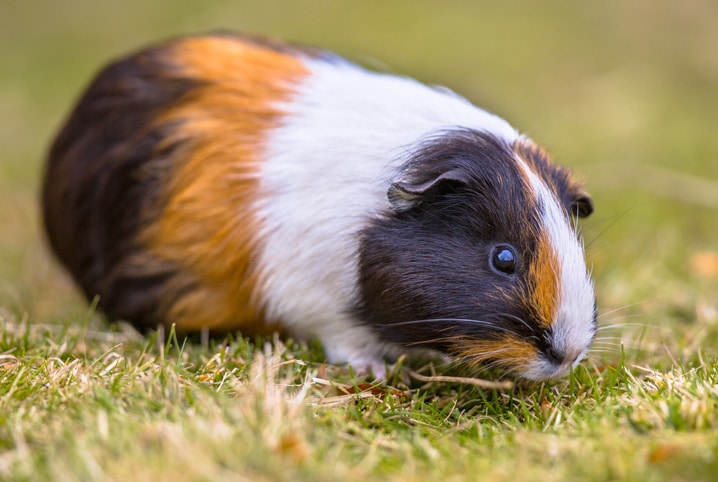
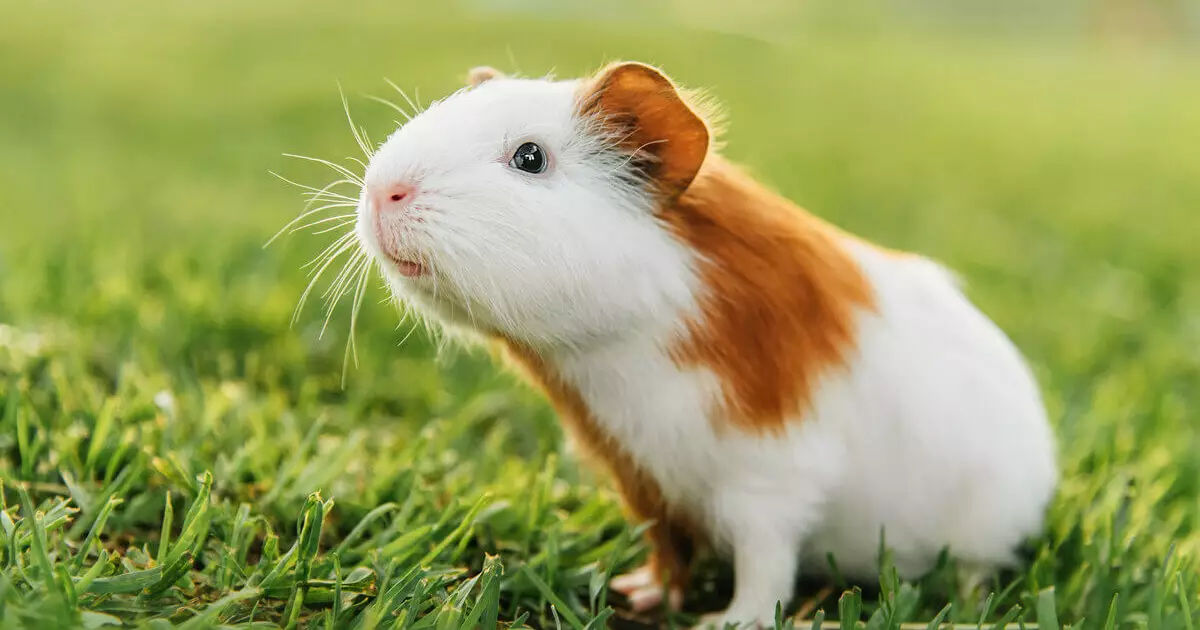
Guinea Pigs: Fun Facts and Care Basics

Guinea pigs (cavies) originated in the Andes and have been kept by people for thousands of years. They are gentle, vocal rodents that thrive in pairs.

Fun facts

  • They “popcorn”: young guinea pigs leap into the air when excited
  • They cannot make vitamin C, so they need it daily from vegetables like bell pepper or from fortified pellets
  • Their teeth never stop growing, so constant hay is essential
  • They are social and should be kept with a compatible companion
  • They talk: a high “wheek” often means “feed me”

Housing

Provide a large, flat-floored cage (at least about 120 x 60 cm / 4 x 2 ft for two) with bedding, hiding places and no wire floor. Keep them in a quiet spot away from drafts and heat.

Diet

Unlimited grass hay, fresh vegetables daily, a small portion of pellets and clean water. Fruit is a treat.

Health

Watch for dental trouble, respiratory infections, mites and weight loss. Use a vet that treats small mammals.

Takeaway

Guinea pigs reward daily interaction with trust and plenty of sound effects.

This guide is for general information only and is not a substitute for advice from a qualified veterinarian. If your pet seems unwell, contact your vet.
More Details
Jul 18, 2023
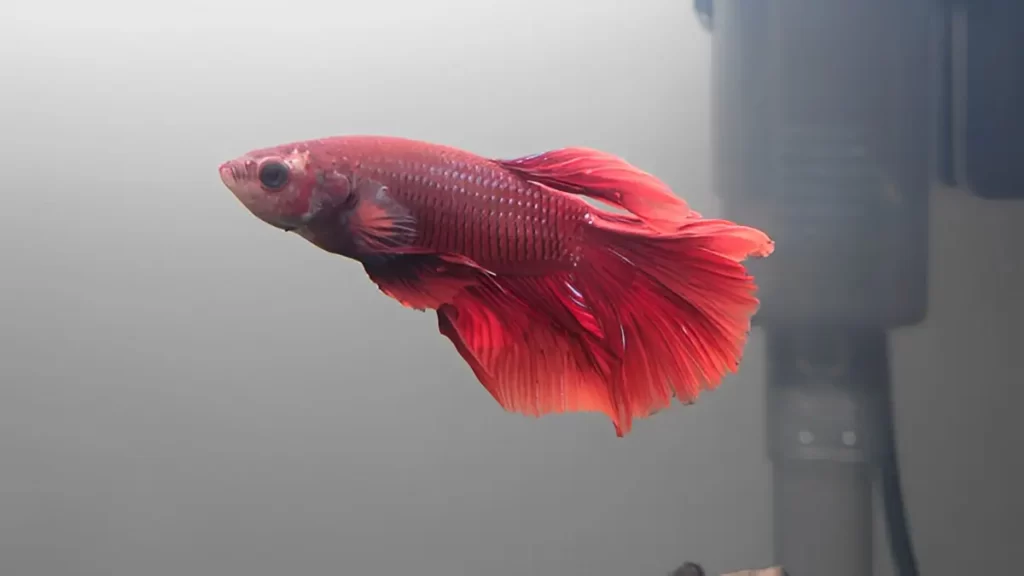
Why Is My Betta Fish Not Moving?

Betta fish can spend long periods resting, but sudden changes in behavior deserve attention.

Normal reasons for stillness

  • Sleeping: bettas rest at night and sometimes during the day
  • Resting spots: they like to lie on leaves or hammocks
  • Cool water: bettas are tropical and slow down in cold water

Possible problems

  • Temperature: keep the tank around 24 to 27°C (76 to 80°F) with a heater
  • Water quality: ammonia and nitrite are toxic, so test water and change part of it regularly
  • Small space: use at least about 20 liters (5 gallons)
  • Illness: clamped fins, white spots, bloating or loss of color can signal disease

What to do

Test the water, check the heater, and perform a partial water change if readings are poor. Provide gentle filtration, plants and a resting leaf. If the fish stays at the bottom, breathes heavily or stops eating, consult an aquatic vet.

Prevention

A stable, warm, clean tank and a varied diet make for an active betta.

This guide is for general information only and is not a substitute for advice from a qualified veterinarian. If your pet seems unwell, contact your vet.
More Details
Jul 18, 2023
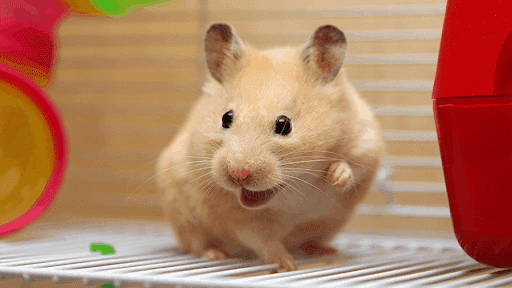
Why Do Hamsters Live Such Short Lives?

Most pet hamsters live around two to three years. This is normal for small rodents and is linked to their fast metabolism and high heart rate.

Why so short?

Small animals tend to have a fast metabolism and mature quickly. In the wild, hamsters face many predators, so evolution favored rapid reproduction instead of long life.

Lifespan by type

  • Syrian hamsters: about 2 to 3 years
  • Dwarf hamsters: about 1.5 to 2.5 years
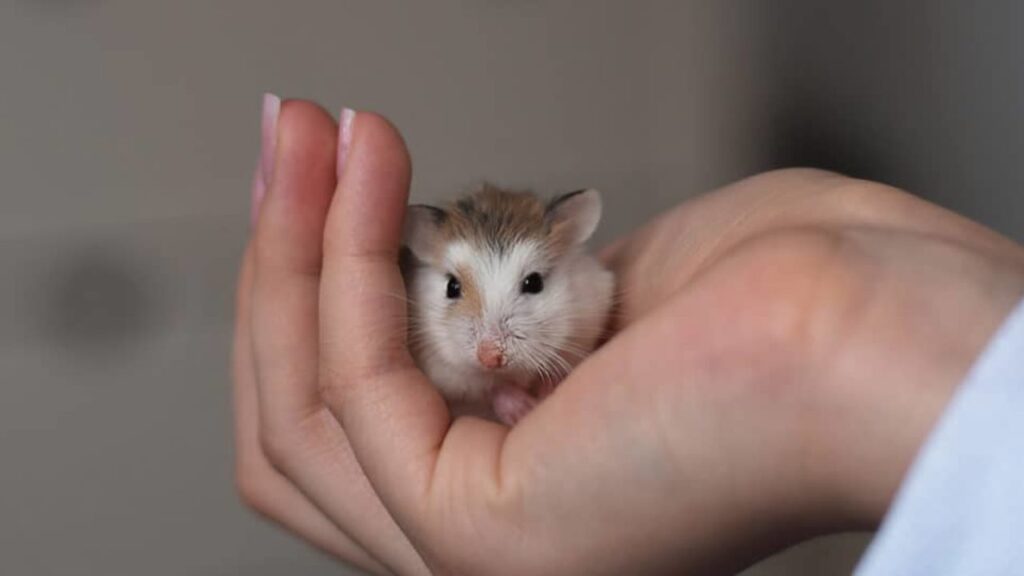
  • Roborovski hamsters: can live a little longer

How to support a healthy life

  • Provide a large cage with deep bedding for burrowing and a wheel of proper size
  • Feed a quality hamster mix with occasional fresh vegetables
  • Avoid stress, excessive handling and sudden temperature changes
  • Watch for lumps, weight loss, wet tail or lethargy and see a vet

Conclusion

Their lives are short, but a calm environment and good diet help them enjoy every month.

This guide is for general information only and is not a substitute for advice from a qualified veterinarian. If your pet seems unwell, contact your vet.

More Details