Jul 18, 2023
Do Mice Really Love Cheese?

The image of a mouse nibbling cheese comes from cartoons and folklore. In reality, mice are omnivores that prefer foods rich in carbohydrates, sugar and fat.

What mice actually like

  • Grains, seeds and nuts
  • Sweet foods such as fruit
  • Peanut butter, which is why it works as bait

Why the cheese myth exists

Cheese was once stored in barns where mice lived, so they were seen near it. Strong-smelling cheese is not a favorite food for most mice.

Tips for pet mice

Feed a balanced rodent mix and avoid too much cheese or sugary treats, which can cause obesity.

Pest control note

If you have wild mice, seal entry holes, store food securely and use humane or professional control.

This guide is for general information only and is not a substitute for advice from a qualified veterinarian. If your pet seems unwell, contact your vet.

More Details

Jul 17, 2023
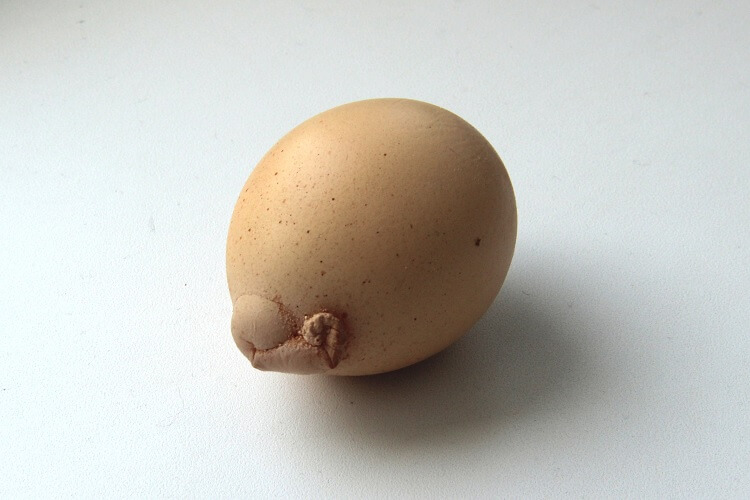
Animals That Lay Eggs: More Than Just Birds

Egg-laying, or oviparity, is widespread in nature.

Birds

All birds lay eggs, from tiny hummingbirds to ostriches. Many build nests and incubate their eggs with body heat.

Reptiles

Most snakes, lizards, turtles and crocodiles lay eggs. Some snakes keep eggs inside the body and give birth to live young.

Amphibians and fish

Frogs lay jelly-like eggs in water, and many fish scatter eggs or guard nests. Sharks vary: some lay leathery egg cases known as “mermaid’s purses.”

Insects

Butterflies, bees and beetles lay eggs on specific plants or in nests.

Mammals that lay eggs

The platypus and echidnas, collectively called monotremes, are the only mammals that lay eggs. They feed their young with milk afterwards.

Why it matters

Different egg-laying strategies reflect adaptation to environment and offer clues to evolution.

This guide is for general information only and is not a substitute for advice from a qualified veterinarian. If your pet seems unwell, contact your vet.

More Details

Jul 14, 2023
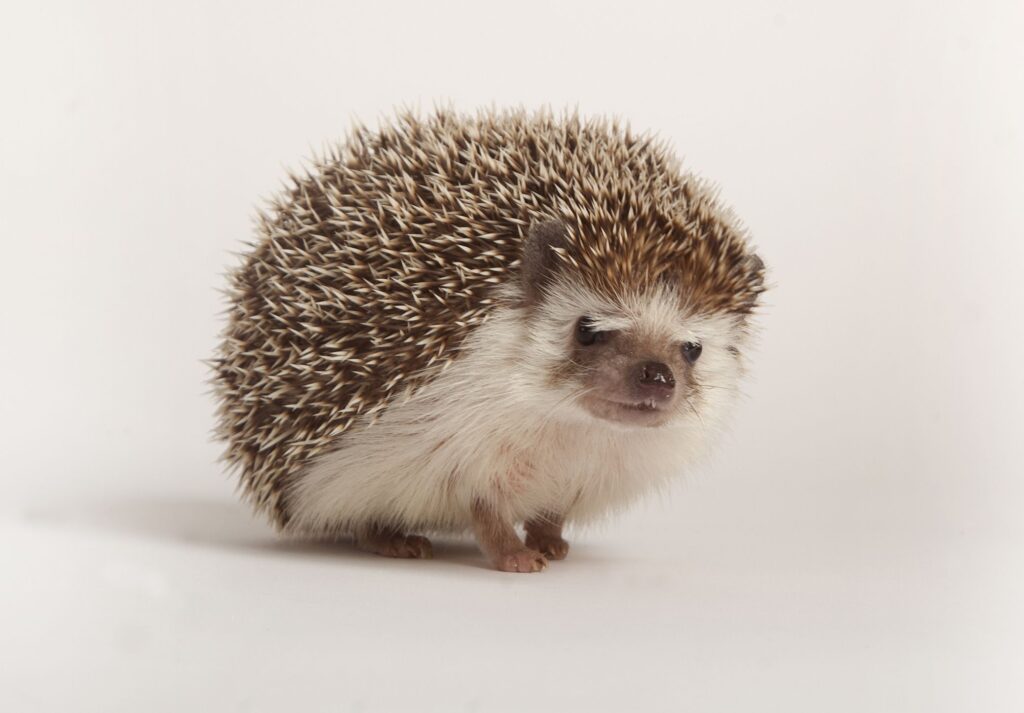
African Pygmy Hedgehogs as Pets

African pygmy hedgehogs are solitary, nocturnal animals that curl into a ball when scared.

Quick facts

  • Lifespan: about 4 to 6 years
  • Activity: night; sleeps through the day
  • Diet: insectivore; high-protein, low-fat cat food or hedgehog kibble plus insects
  • Legal: illegal in some places, so check

Housing

Provide a large, solid-floor cage with a hide and a wheel that has a solid running surface. Keep it at 22 to 26°C (72 to 79°F); cooler temperatures can trigger dangerous hibernation attempts.

Handling

Hedgehogs can be shy. Offer a scent cloth and handle them gently each day. Quilling (shedding spines) is normal in young hedgehogs.

Health

Common concerns are obesity, mites, dental disease and wobbly hedgehog syndrome. Find an exotic vet.

Conclusion

Hedgehogs are low-noise pets, though they do not always enjoy being cuddled. Patience pays off.

This guide is for general information only and is not a substitute for advice from a qualified veterinarian. If your pet seems unwell, contact your vet.

More Details

Jul 10, 2023
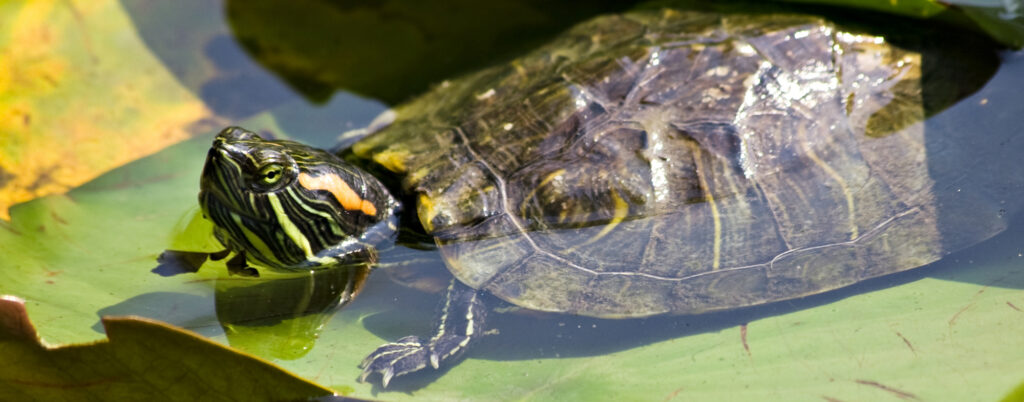
Aquatic Turtles as Pets: Lifespan and Care

Aquatic turtles such as red-eared sliders can live 20 to 40 years, so adopting one is a long-term decision.

Quick facts

  • Adult size: 20 to 30 cm (8 to 12 in) for sliders
  • Lifespan: commonly 20 to 40 years
  • Diet: omnivore, pellets, greens and protein
  • Tank: 75 to 190 liters (20 to 50 gallons) or more

Habitat

Provide deep water for swimming, a dry basking platform, a heater (water about 24 to 26°C / 75 to 79°F) and strong filtration. A basking lamp and UVB tube let the turtle absorb calcium. Clean the water regularly.

Feeding

Young turtles eat more protein, adults more plants. Offer pellets, aquatic plants, leafy greens and occasional insects or fish.

Health

Shell rot, vitamin A deficiency and respiratory infections are common. Wash hands after contact because turtles carry Salmonella.

Responsibility

Never release pet turtles into the wild. Check local laws and plan for the animal’s whole life.

This guide is for general information only and is not a substitute for advice from a qualified veterinarian. If your pet seems unwell, contact your vet.

More Details