Jun 4, 2025
How to Set Up a Reptile Enclosure: Heat, UVB and Humidity Basics
Quick answer: A healthy reptile enclosure needs a temperature gradient (a warm side and a cool side), the right UVB lighting for the species, correct humidity, safe substrate and hiding places. Measure all of it with reliable thermometers and a hygrometer, and control heat with a thermostat.
Step 1: Research the species
Needs differ widely. A desert lizard needs heat and dry air, while a tropical snake needs humidity. Ask a breeder or an exotic vet for the temperature and humidity ranges for your animal.
Step 2: Choose the enclosure
Size matters. Adults generally need much more room than juveniles, so plan for the adult size. Make sure the lid is secure and the ventilation is adequate.
Step 3: Create a temperature gradient
Reptiles regulate body temperature by moving between warm and cool areas.
- Place a heat source on one side to create a basking area
- Leave the other side cooler
- Use a thermostat on every heat device to prevent burns and overheating
- Measure surface temperature with a digital probe or an infrared thermometer
Avoid hot rocks, which can cause burns.
Step 4: Provide the right lighting
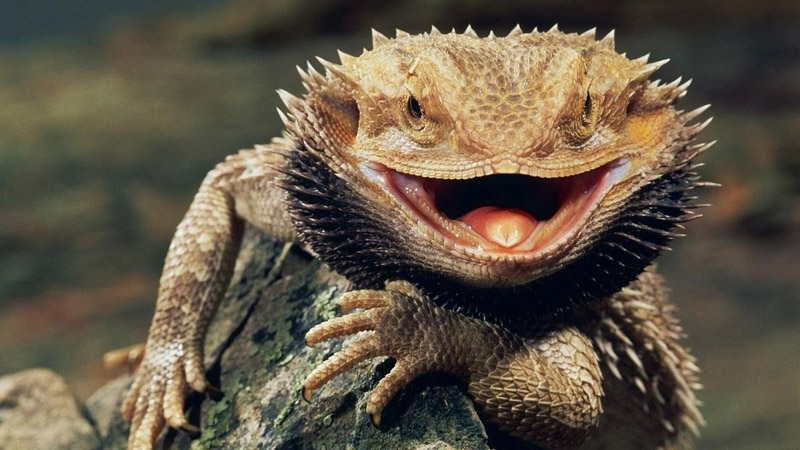
Many diurnal reptiles, such as bearded dragons and iguanas, need UVB light to produce vitamin D3 and absorb calcium. Without it they can develop metabolic bone disease. Use a UVB tube sized to the enclosure, mount it at the recommended distance and replace it on the manufacturer’s schedule, because output declines before the light looks dim.
Step 5: Control humidity
Measure with a hygrometer. Increase humidity with a humid hide, a larger water bowl or misting. For dry-climate species, ensure good ventilation.
Step 6: Pick a safe substrate
Options include reptile carpet, tile, paper towels (good for quarantine) or a bioactive mix for suited species. Avoid loose substrates for juveniles that could be swallowed, and avoid cedar and pine shavings, which can irritate reptiles.
Step 7: Add hides and enrichment
Provide at least two hides, one on the warm side and one on the cool side, plus branches, rocks or plants suited to the species.
Daily and weekly checks
- Check temperatures and humidity each day
- Provide fresh water daily
- Spot-clean droppings
- Deep-clean the enclosure on a regular schedule
FAQ
Do all reptiles need UVB?
Many do, but needs differ by species. Ask your reptile vet.
How often should I replace a UVB bulb?
Follow the manufacturer’s guidance, commonly every 6 to 12 months.
Can I use a heat lamp at night?
Use a non-light heat source, such as a ceramic heat emitter, for species that need night heat, and always control it with a thermostat.
This guide is for general information only and is not a substitute for advice from a qualified veterinarian. If your pet seems unwell, contact your vet.