Sep 24, 2025
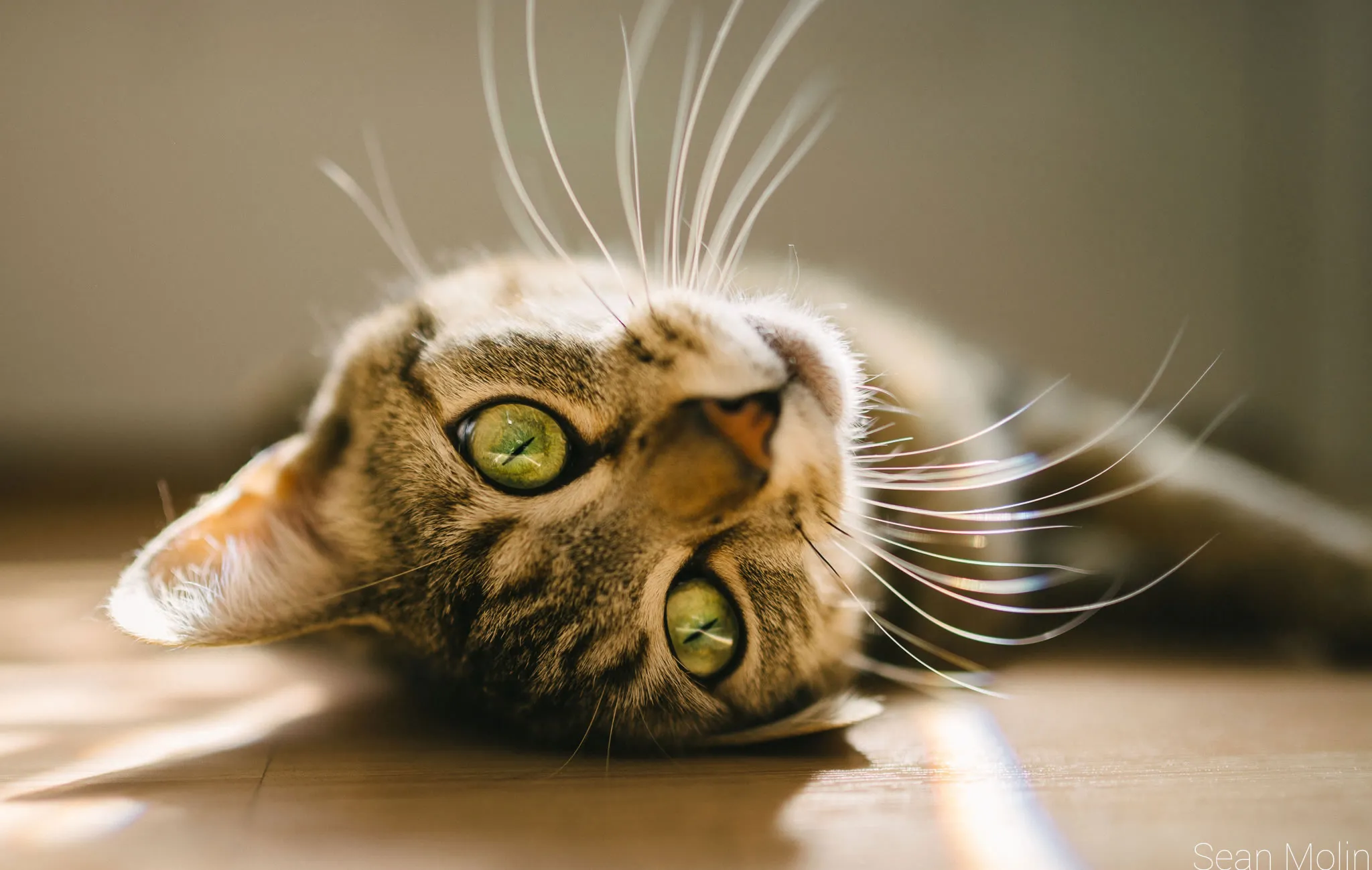
Why Do Cats Knead? The Meaning Behind “Making Biscuits”

Quick answer: Cats knead because the behavior begins in kittenhood, when it stimulates milk flow while nursing. Adult cats keep it as a sign of comfort, and they may also be marking you with scent glands in their paws or preparing a place to rest.

What is kneading?

Kneading, sometimes called “making biscuits,” is the rhythmic pushing of the paws against a soft surface, such as a blanket, a pillow or your lap.

Why cats knead

  • Nursing instinct: kittens knead their mother to encourage milk flow
  • Comfort and contentment: many cats knead when they are relaxed and purring
  • Scent marking: cats have scent glands in their paw pads
  • Preparing a bed: wild ancestors may have trampled down grass or leaves
  • Stretching: kneading may also feel good to stretch the muscles

Is kneading ever a problem?

Occasionally. If a cat kneads excessively, seems restless or kneads while showing other signs of distress, mention it to your vet. Some cats also pull at skin or fabric when stressed.

What to do if kneading hurts

  • Keep your cat’s nails trimmed
  • Place a thick blanket or towel on your lap
  • Gently move the cat to a soft bed or pillow instead
  • Avoid punishing your cat, since kneading is natural and a sign of trust

Do all cats knead?

No. Some knead a lot, some a little and some never. Early weaning may increase the habit in some cats, but this is not well proven.

FAQ

Why does my cat knead and drool?

Some cats drool when deeply relaxed, a leftover from nursing.

Why does my cat knead me, not the blanket?

Your cat likely sees you as a source of comfort and safety.

Why does my cat suck on blankets while kneading?

It is a comfort behavior. If it becomes compulsive, speak with your vet.

This guide is for general information only and is not a substitute for advice from a qualified veterinarian. If your pet seems unwell, contact your vet.

More Details
Jun 4, 2025
How to Set Up a Reptile Enclosure: Heat, UVB and Humidity Basics

Quick answer: A healthy reptile enclosure needs a temperature gradient (a warm side and a cool side), the right UVB lighting for the species, correct humidity, safe substrate and hiding places. Measure all of it with reliable thermometers and a hygrometer, and control heat with a thermostat.

Step 1: Research the species

Needs differ widely. A desert lizard needs heat and dry air, while a tropical snake needs humidity. Ask a breeder or an exotic vet for the temperature and humidity ranges for your animal.

Step 2: Choose the enclosure

Size matters. Adults generally need much more room than juveniles, so plan for the adult size. Make sure the lid is secure and the ventilation is adequate.

Step 3: Create a temperature gradient

Reptiles regulate body temperature by moving between warm and cool areas.

  • Place a heat source on one side to create a basking area
  • Leave the other side cooler
  • Use a thermostat on every heat device to prevent burns and overheating
  • Measure surface temperature with a digital probe or an infrared thermometer

Avoid hot rocks, which can cause burns.

Step 4: Provide the right lighting

Many diurnal reptiles, such as bearded dragons and iguanas, need UVB light to produce vitamin D3 and absorb calcium. Without it they can develop metabolic bone disease. Use a UVB tube sized to the enclosure, mount it at the recommended distance and replace it on the manufacturer’s schedule, because output declines before the light looks dim.

Step 5: Control humidity

Measure with a hygrometer. Increase humidity with a humid hide, a larger water bowl or misting. For dry-climate species, ensure good ventilation.

Step 6: Pick a safe substrate

Options include reptile carpet, tile, paper towels (good for quarantine) or a bioactive mix for suited species. Avoid loose substrates for juveniles that could be swallowed, and avoid cedar and pine shavings, which can irritate reptiles.

Step 7: Add hides and enrichment

Provide at least two hides, one on the warm side and one on the cool side, plus branches, rocks or plants suited to the species.

Daily and weekly checks

  1. Check temperatures and humidity each day
  2. Provide fresh water daily
  3. Spot-clean droppings
  4. Deep-clean the enclosure on a regular schedule

FAQ

Do all reptiles need UVB?

Many do, but needs differ by species. Ask your reptile vet.

How often should I replace a UVB bulb?

Follow the manufacturer’s guidance, commonly every 6 to 12 months.

Can I use a heat lamp at night?

Use a non-light heat source, such as a ceramic heat emitter, for species that need night heat, and always control it with a thermostat.

This guide is for general information only and is not a substitute for advice from a qualified veterinarian. If your pet seems unwell, contact your vet.

More Details
Feb 5, 2025
Are Hypoallergenic Cats Real? Breeds, Facts and Tips for Allergy Sufferers

Quick answer: No cat is truly hypoallergenic. Cat allergies are mostly caused by a protein called Fel d 1, found in saliva, skin glands and dander. Some individual cats and breeds produce less of it, but you should spend time with a cat before adopting if you have allergies.

What causes cat allergies

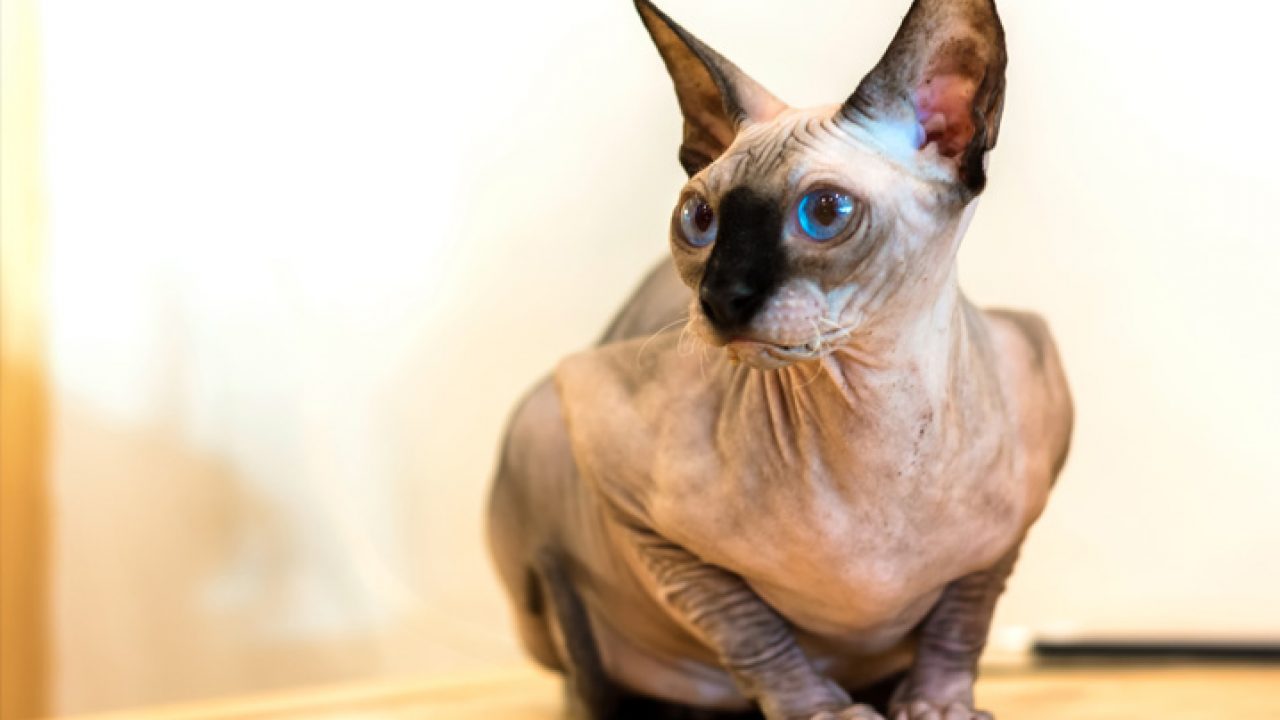
Cats spread Fel d 1 when they groom, and it sticks to fur, furniture and air. It is the cat’s saliva and skin, not the hair itself, that carries most of the allergen. This is why even hairless cats such as the Sphynx can trigger allergies.

Breeds often mentioned for allergy sufferers

  • Siberian: some owners report fewer symptoms, and some individuals produce less Fel d 1
  • Balinese: a longhaired Siamese type often mentioned in the same lists
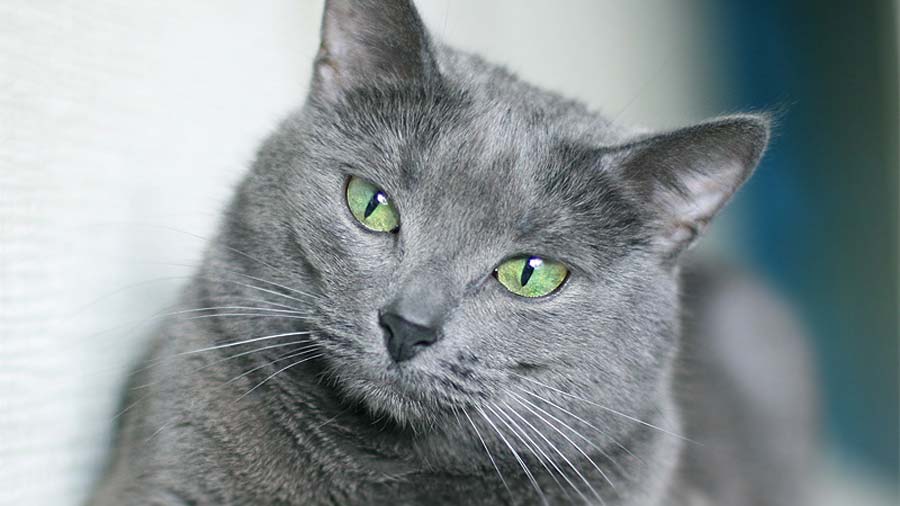
  • Russian Blue: often cited, though evidence is limited
  • Sphynx and Devon Rex: little fur, but they still produce allergen

Results vary a lot between individual cats, so breed alone is not a guarantee.

How to test before you commit

  1. Visit the cat several times, for an extended period.
  2. Spend time in the home or cattery where the cat lives.
  3. Talk with an allergist about testing and treatment options.

Ways to reduce allergens at home

  • Use a HEPA air purifier in main living areas
  • Keep the cat out of the bedroom
  • Wash bedding weekly in hot water
  • Vacuum with a HEPA filter and damp-dust surfaces
  • Wipe the cat with a pet-safe damp cloth, as advised by your vet
  • Wash your hands after petting

Allergy symptoms to watch for

Sneezing, itchy or watery eyes, a runny nose, skin rash and in some people wheezing. Seek medical advice if you experience breathing difficulty.

FAQ

Do hairless cats cause fewer allergies?

Not necessarily. They still produce Fel d 1 in saliva and skin.

Can I become allergic after years with a cat?

Yes, allergies can develop at any age, and they can also fade for some people.

Are female or neutered cats better for allergies?

Some studies suggest neutered males produce less allergen, but evidence is limited.

This guide is for general information only and is not a substitute for advice from a qualified veterinarian. If your pet seems unwell, contact your vet.

More Details