Sep 24, 2025
Why Do Cats Knead? The Meaning Behind “Making Biscuits”

Quick answer: Cats knead because the behavior begins in kittenhood, when it stimulates milk flow while nursing. Adult cats keep it as a sign of comfort, and they may also be marking you with scent glands in their paws or preparing a place to rest.

What is kneading?

Kneading, sometimes called “making biscuits,” is the rhythmic pushing of the paws against a soft surface, such as a blanket, a pillow or your lap.

Why cats knead

  • Nursing instinct: kittens knead their mother to encourage milk flow
  • Comfort and contentment: many cats knead when they are relaxed and purring
  • Scent marking: cats have scent glands in their paw pads
  • Preparing a bed: wild ancestors may have trampled down grass or leaves
  • Stretching: kneading may also feel good to stretch the muscles

Is kneading ever a problem?

Occasionally. If a cat kneads excessively, seems restless or kneads while showing other signs of distress, mention it to your vet. Some cats also pull at skin or fabric when stressed.

What to do if kneading hurts

  • Keep your cat’s nails trimmed
  • Place a thick blanket or towel on your lap
  • Gently move the cat to a soft bed or pillow instead
  • Avoid punishing your cat, since kneading is natural and a sign of trust

Do all cats knead?

No. Some knead a lot, some a little and some never. Early weaning may increase the habit in some cats, but this is not well proven.

FAQ

Why does my cat knead and drool?

Some cats drool when deeply relaxed, a leftover from nursing.

Why does my cat knead me, not the blanket?

Your cat likely sees you as a source of comfort and safety.

Why does my cat suck on blankets while kneading?

It is a comfort behavior. If it becomes compulsive, speak with your vet.

This guide is for general information only and is not a substitute for advice from a qualified veterinarian. If your pet seems unwell, contact your vet.
More Details
Jun 12, 2024
Why Do Cats Purr? Meanings, Science and When to Worry

Quick answer: Cats purr to communicate contentment, to bond, to ask for attention or food, and sometimes to soothe themselves when stressed, frightened or in pain. Purring is a vibration produced by the muscles of the larynx, at roughly 25 to 150 vibrations per second.

How purring works

Researchers believe a neural oscillator in the brain sends rapid signals to the muscles in the voice box. The muscles twitch and the vocal folds vibrate as the cat breathes in and out, which creates a continuous sound.

Why cats purr

  • Contentment: the most familiar reason, for example while being petted
  • Bonding: kittens purr from a few days old while nursing, and the habit continues with people
  • Requesting: some cats add a higher-pitched, urgent element when they want food
  • Self-soothing: cats may purr at the vet or when they are anxious
  • Pain or illness: purring can also happen when a cat is hurt

Does purring heal?

Some scientists have suggested that the frequency range of purring may support bone and tissue healing, but this is a hypothesis, not a proven treatment. Do not rely on purring as a sign that your cat is well.

How to read purring

Context matters. A relaxed body, soft eyes and kneading suggest contentment. A hunched posture, hiding, a lack of appetite or a purr that sounds strained suggest it is time for a vet visit.

Do all cats purr?

Domestic cats and some wild species, such as cheetahs, purr. Big cats such as lions roar instead because of differences in their larynx. Some domestic cats purr very quietly.

FAQ

Why does my cat purr when I pet them?

It is usually a sign of comfort and trust.

Why does my cat purr at the vet?

Many cats purr to calm themselves during stress.

Is a cat that never purrs unhealthy?

Not necessarily. Some cats purr quietly or rarely. Watch for other changes in behavior.

This guide is for general information only and is not a substitute for advice from a qualified veterinarian. If your pet seems unwell, contact your vet.
More Details
Jul 18, 2023
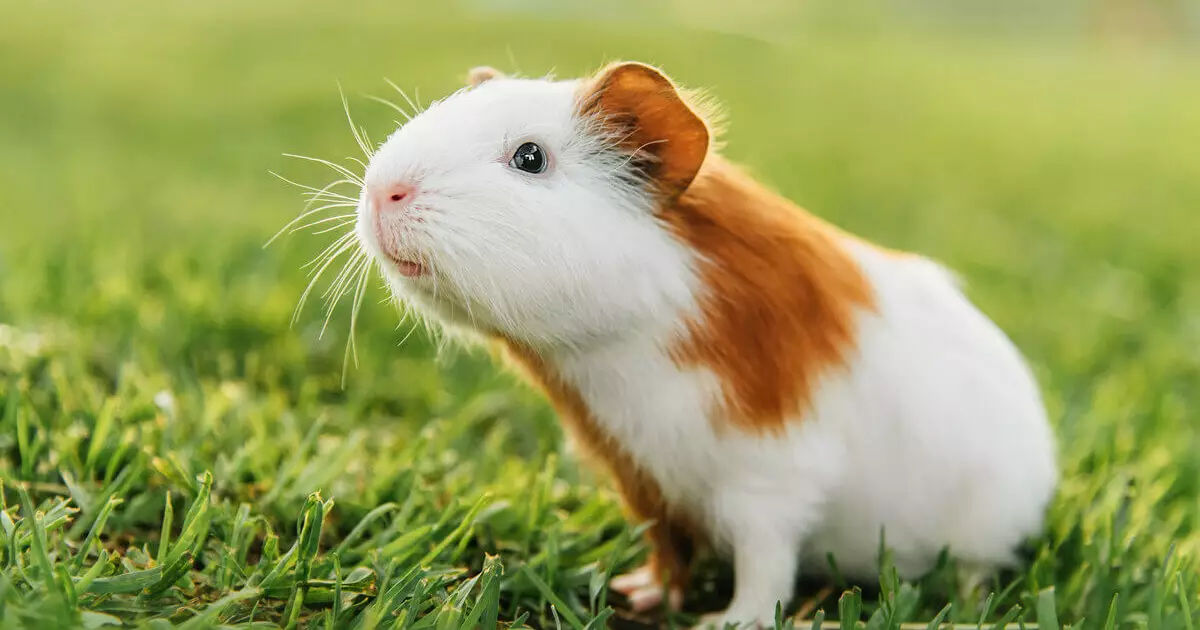
Guinea Pigs: Fun Facts and Care Basics

Guinea pigs (cavies) originated in the Andes and have been kept by people for thousands of years. They are gentle, vocal rodents that thrive in pairs.

Fun facts

  • They “popcorn”: young guinea pigs leap into the air when excited
  • They cannot make vitamin C, so they need it daily from vegetables like bell pepper or from fortified pellets
  • Their teeth never stop growing, so constant hay is essential
  • They are social and should be kept with a compatible companion
  • They talk: a high “wheek” often means “feed me”

Housing

Provide a large, flat-floored cage (at least about 120 x 60 cm / 4 x 2 ft for two) with bedding, hiding places and no wire floor. Keep them in a quiet spot away from drafts and heat.

Diet

Unlimited grass hay, fresh vegetables daily, a small portion of pellets and clean water. Fruit is a treat.

Health

Watch for dental trouble, respiratory infections, mites and weight loss. Use a vet that treats small mammals.

Takeaway

Guinea pigs reward daily interaction with trust and plenty of sound effects.

This guide is for general information only and is not a substitute for advice from a qualified veterinarian. If your pet seems unwell, contact your vet.

More Details
Jul 18, 2023
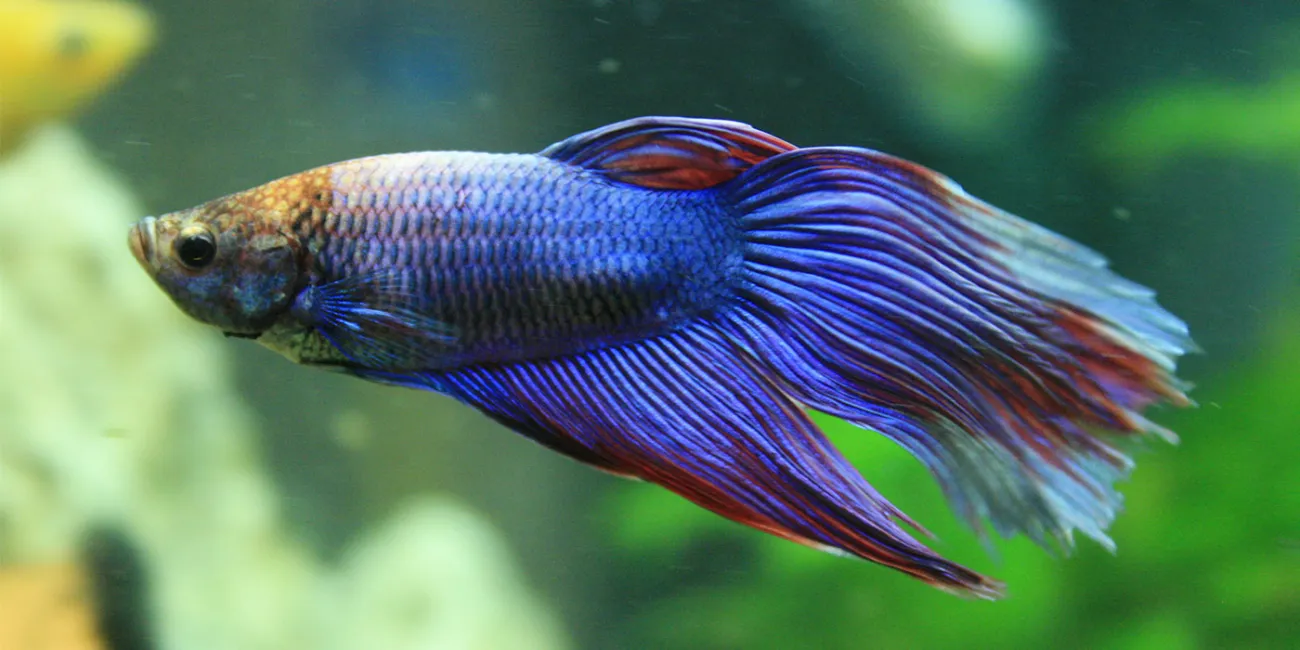
Why Is My Betta Fish Not Moving?

Betta fish can spend long periods resting, but sudden changes in behavior deserve attention.

Normal reasons for stillness

  • Sleeping: bettas rest at night and sometimes during the day
  • Resting spots: they like to lie on leaves or hammocks
  • Cool water: bettas are tropical and slow down in cold water

Possible problems

  • Temperature: keep the tank around 24 to 27°C (76 to 80°F) with a heater
  • Water quality: ammonia and nitrite are toxic, so test water and change part of it regularly
  • Small space: use at least about 20 liters (5 gallons)
  • Illness: clamped fins, white spots, bloating or loss of color can signal disease

What to do

Test the water, check the heater, and perform a partial water change if readings are poor. Provide gentle filtration, plants and a resting leaf. If the fish stays at the bottom, breathes heavily or stops eating, consult an aquatic vet.

Prevention

A stable, warm, clean tank and a varied diet make for an active betta.

This guide is for general information only and is not a substitute for advice from a qualified veterinarian. If your pet seems unwell, contact your vet.
More Details
Jul 18, 2023
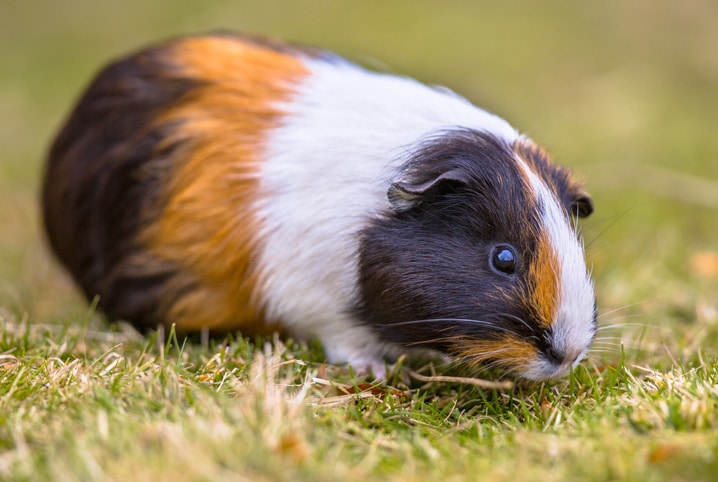
Why Do Hamsters Live Such Short Lives?

Most pet hamsters live around two to three years. This is normal for small rodents and is linked to their fast metabolism and high heart rate.

Why so short?

Small animals tend to have a fast metabolism and mature quickly. In the wild, hamsters face many predators, so evolution favored rapid reproduction instead of long life.

Lifespan by type

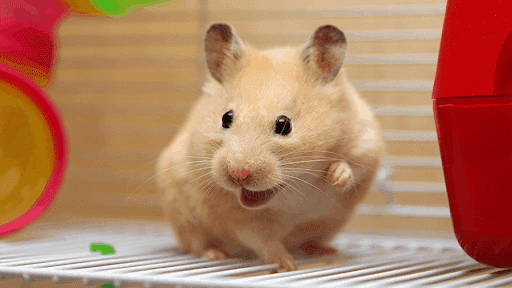
  • Syrian hamsters: about 2 to 3 years
  • Dwarf hamsters: about 1.5 to 2.5 years
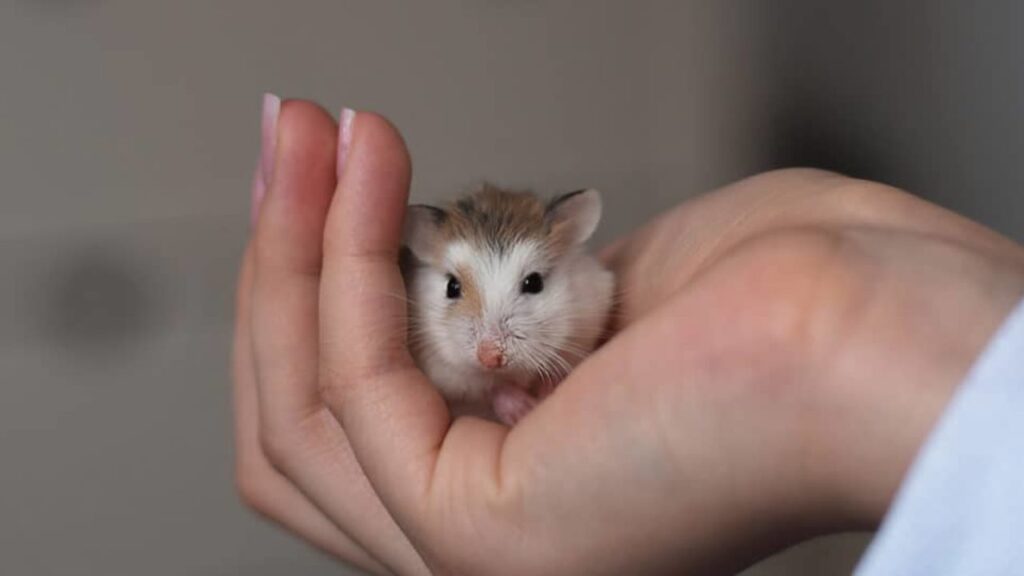
  • Roborovski hamsters: can live a little longer

How to support a healthy life

  • Provide a large cage with deep bedding for burrowing and a wheel of proper size
  • Feed a quality hamster mix with occasional fresh vegetables
  • Avoid stress, excessive handling and sudden temperature changes
  • Watch for lumps, weight loss, wet tail or lethargy and see a vet

Conclusion

Their lives are short, but a calm environment and good diet help them enjoy every month.

This guide is for general information only and is not a substitute for advice from a qualified veterinarian. If your pet seems unwell, contact your vet.
More Details
Jul 18, 2023
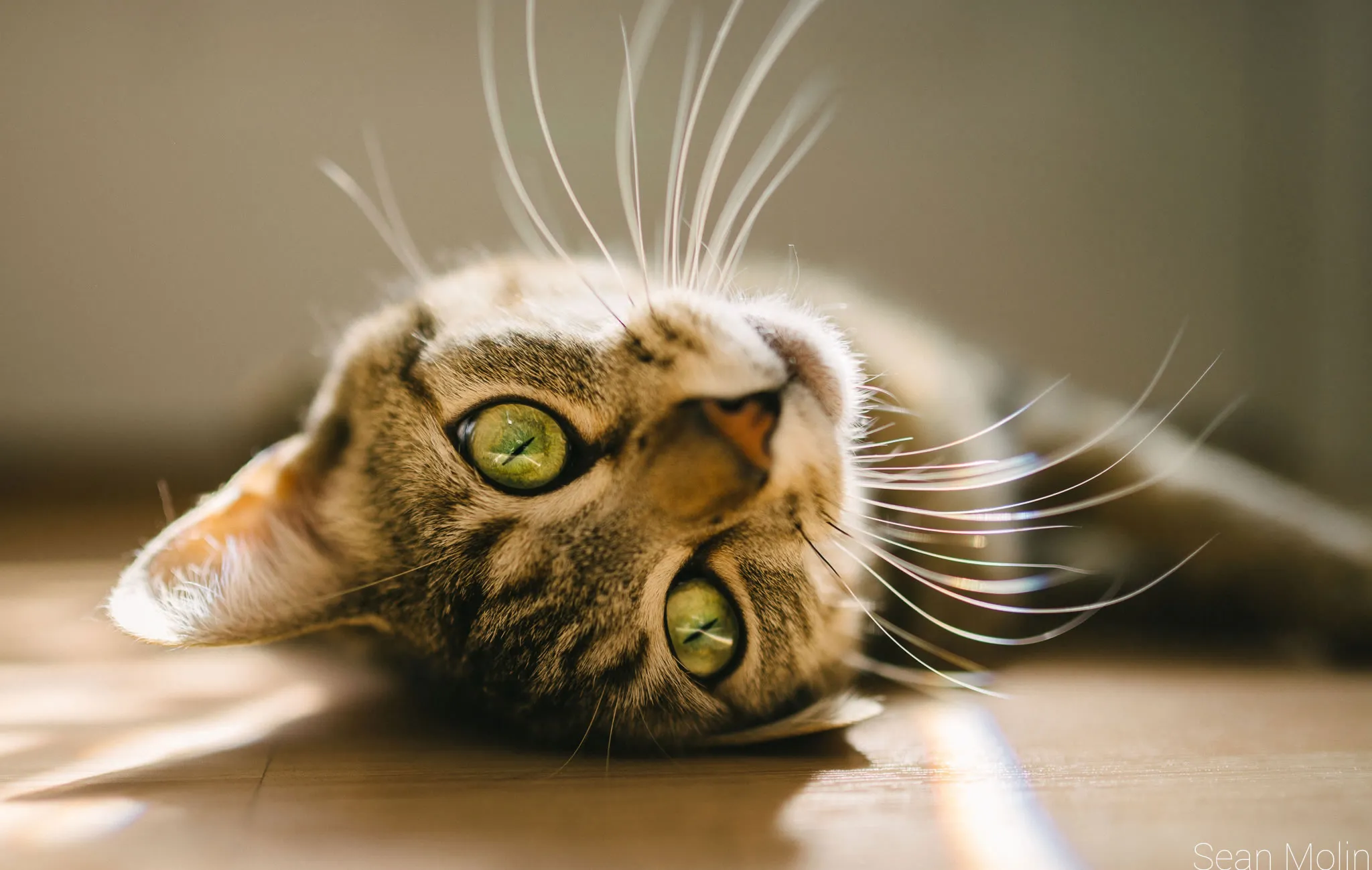
Why Do Cats Have Whiskers?

A cat’s whiskers (vibrissae) are thick, deeply rooted hairs packed with nerves.

What whiskers do

  • Sense the environment: they detect air currents and nearby objects
  • Help judge spaces: they are about as wide as the cat’s body
  • Aid hunting: they sense prey movement at close range
  • Protect the eyes: they trigger a blink reflex

Whisker fatigue

Some owners believe deep or narrow bowls overstimulate whiskers. This is not proven, but a wide, shallow dish does no harm if your cat seems to dislike its bowl.

Mood clues

Whiskers pushed forward often show curiosity or excitement. Pulled back against the face can show fear or aggression.

Care

Never trim or pull whiskers. They fall out naturally and regrow. If they break off in large numbers, ask your vet.

This guide is for general information only and is not a substitute for advice from a qualified veterinarian. If your pet seems unwell, contact your vet.

More Details
Jul 18, 2023
Why Do Dogs Howl at Music?

Howling is an ancient form of communication inherited from wolves, used to locate packmates and mark territory.

Possible reasons

  • Communication: certain pitches resemble howls, triggering a response
  • Sensitive hearing: dogs hear higher frequencies than people
  • Attention: if howling earns praise, dogs repeat it
  • Joy or discomfort: some dogs respond emotionally, some find sounds irritating

Breeds that howl often

Huskies, hounds and beagles are particularly vocal.

When to worry

If your dog seems distressed, tries to hide or shakes, lower the volume. Sudden new howling can signal pain or anxiety, so consult a vet.

Tip

Reward calm behavior and keep music at a comfortable level.

This guide is for general information only and is not a substitute for advice from a qualified veterinarian. If your pet seems unwell, contact your vet.

More Details
Jul 18, 2023
Do Dogs Go Through Menopause?

Dogs do not experience menopause. Female dogs can go into heat and could technically become pregnant throughout life, although fertility declines and the risks rise with age.

What actually happens

  • Heat cycles continue about every six to twelve months, and can become irregular
  • Fertility drops but does not stop completely
  • Hormone changes can lead to health issues

Health risks in older unspayed females

  • Pyometra: a serious uterine infection that needs emergency care
  • Mammary tumors: more common without early spaying
  • Pregnancy complications in older dogs

Spaying

Spaying prevents pyometra and greatly reduces mammary cancer risk. Ask your vet about the best timing for your dog.

Signs to see a vet

Excessive thirst, discharge, loss of appetite or lethargy after a heat cycle need prompt attention.

This guide is for general information only and is not a substitute for advice from a qualified veterinarian. If your pet seems unwell, contact your vet.
More Details
Jul 18, 2023
Do Mice Really Love Cheese?

The image of a mouse nibbling cheese comes from cartoons and folklore. In reality, mice are omnivores that prefer foods rich in carbohydrates, sugar and fat.

What mice actually like

  • Grains, seeds and nuts
  • Sweet foods such as fruit
  • Peanut butter, which is why it works as bait

Why the cheese myth exists

Cheese was once stored in barns where mice lived, so they were seen near it. Strong-smelling cheese is not a favorite food for most mice.

Tips for pet mice

Feed a balanced rodent mix and avoid too much cheese or sugary treats, which can cause obesity.

Pest control note

If you have wild mice, seal entry holes, store food securely and use humane or professional control.

This guide is for general information only and is not a substitute for advice from a qualified veterinarian. If your pet seems unwell, contact your vet.

More Details
Jul 17, 2023
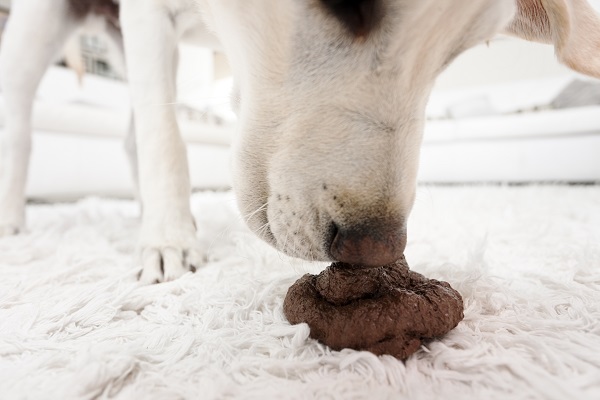
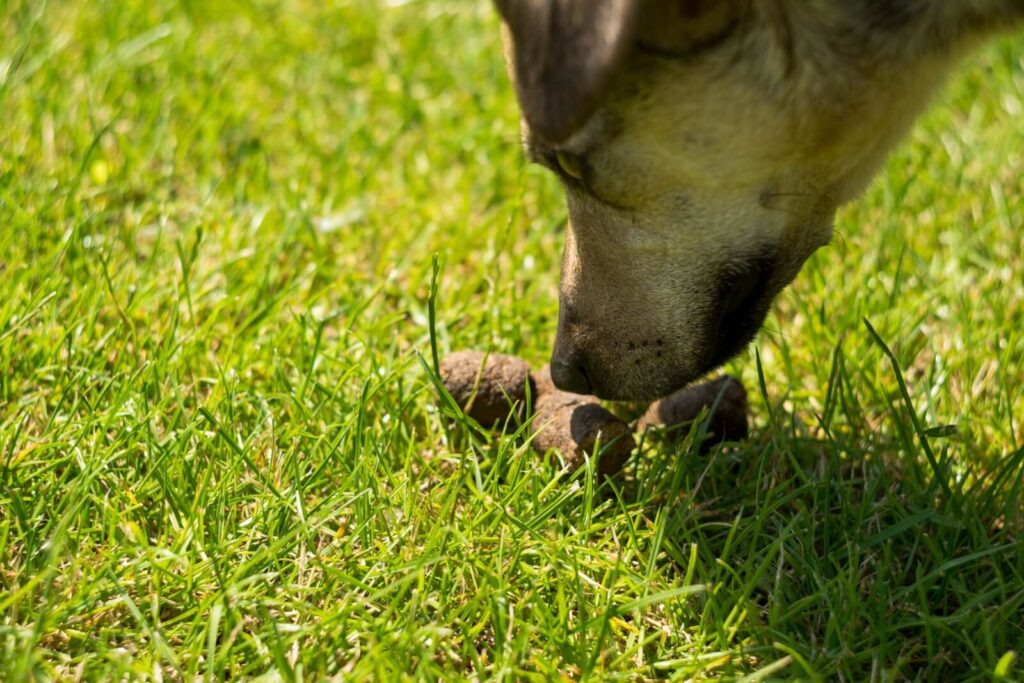
Why Do Pets Eat Feces?

Eating feces, known as coprophagia, is a behavior that worries many pet owners, but it has several explanations.

Normal in some species

Rabbits produce soft cecotropes that they eat directly to absorb nutrients. This is normal and healthy. Mother dogs also clean their puppies by ingesting waste.

Reasons in dogs

  • Medical: nutritional deficiencies, parasites, malabsorption or enzyme problems
  • Behavioral: boredom, anxiety, attention seeking, or fear of punishment
  • Instinct: puppies explore with their mouths

How to reduce it

  • Pick up waste promptly
  • Check diet quality with your vet and run a fecal test
  • Provide exercise, toys and training
  • Use positive reinforcement with a “leave it” cue

When to see a vet

Sudden onset, weight loss or digestive upset should be checked. Avoid punishment, which can make the habit worse.

This guide is for general information only and is not a substitute for advice from a qualified veterinarian. If your pet seems unwell, contact your vet.
More Details