Jul 26, 2023
Mixed-Breed Cats: Colors, Size and Personality

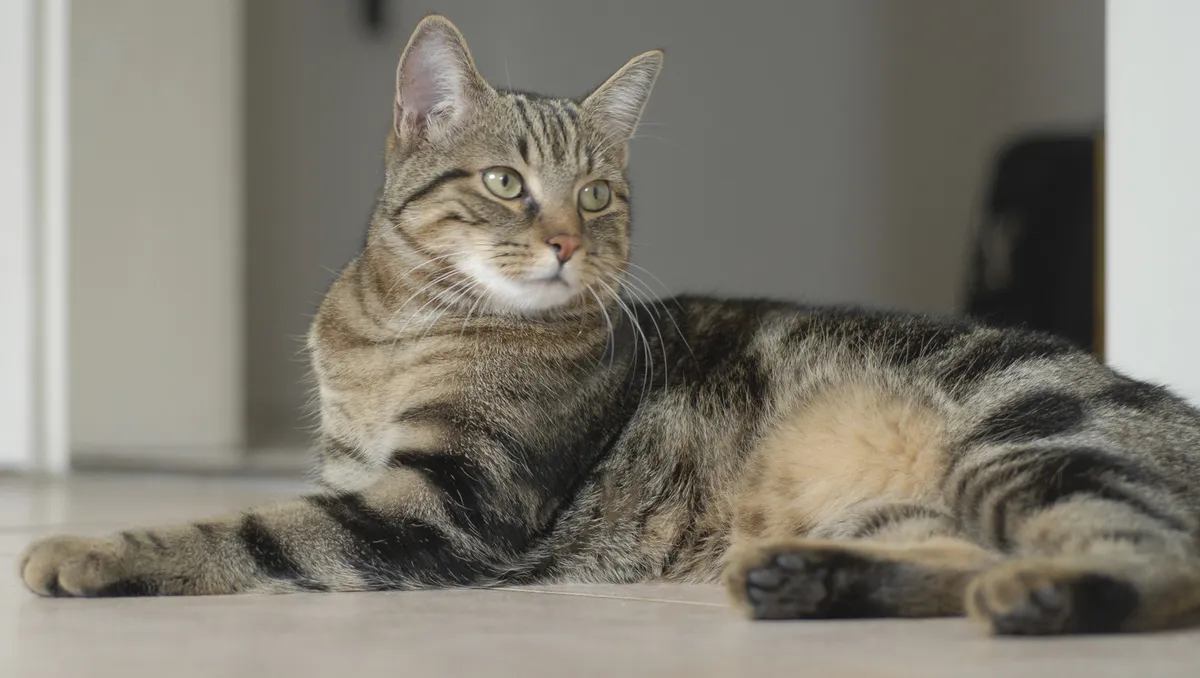
Most of the world’s cats are not pedigree cats at all. Domestic shorthairs and longhairs, often called mixed-breed cats or moggies, have no single recognized ancestry, and that variety is exactly what makes them so appealing.

Tabby kitten in box

Quick facts

  • Typical weight: about 4 to 5.5 kg (9 to 12 lb) for a healthy adult, though frame size varies
  • Lifespan: commonly 12 to 18 years, longer for indoor cats
  • Coat: short, medium or long, in almost any color or pattern
  • Where to find one: shelters, rescues and local adoption events

The colors and patterns

Coat color comes from a handful of genes, and mixed-breed cats show nearly every combination. Common patterns include tabby stripes, solid black or white, bicolor “tuxedo” cats, and the patched coats called tortoiseshell and calico. Because the gene for orange fur sits on the X chromosome, tortoiseshell and calico cats are almost always female, while most orange cats are male.

Size and build

There is no breed standard, so size depends on the cat’s family tree and how it is fed. A small cat is not necessarily underweight and a large one is not necessarily healthy. Ask your vet to score body condition and show you how your cat’s ribs and waist should feel.

Personality is not predictable by looks

Coat color does not decide temperament. A cat’s personality is shaped by genetics, early socialization and daily life. When adopting, spend time with the individual cat and ask the shelter how it behaves around people, other pets and noise. That tells you far more than appearance.

Health and care basics

Mixed-breed cats are often hardy, but they are not immune to illness. Plan for:

  • Core vaccinations and parasite control as advised by your vet
  • Spaying or neutering and a microchip
  • Regular dental care, since dental disease is very common
  • A measured diet and daily play to prevent weight gain

Why adopt a mixed-breed cat

Adopting gives a home to a cat that needs one, usually costs less than buying a pedigree, and brings a unique character into your family. Whether tabby, tuxedo or calico, every mixed-breed cat is one of a kind.

This guide is for general information only and is not a substitute for advice from a qualified veterinarian. If your pet seems unwell, contact your vet.

More Details
Jul 25, 2023
Russian Blue Cat: Appearance, Temperament and Care

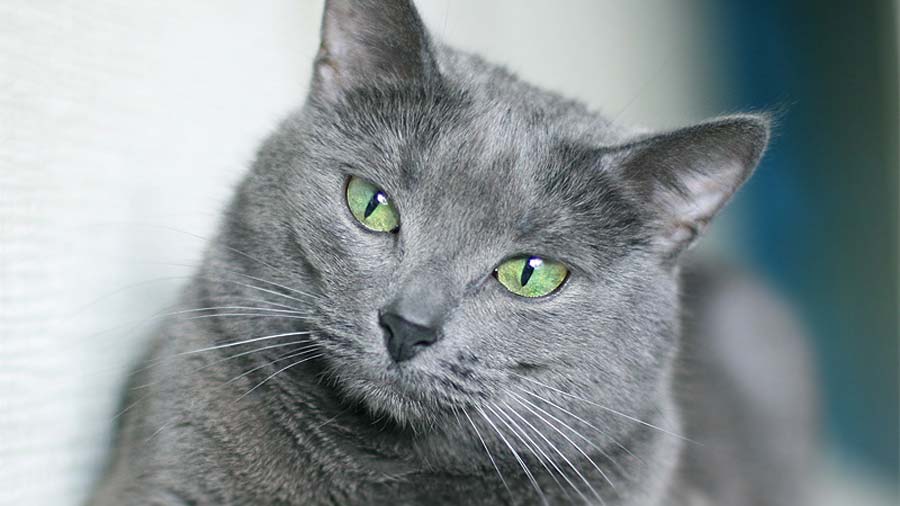
The Russian Blue is one of the most recognizable cat breeds, with a plush blue-gray coat that shimmers in the light and vivid green eyes. It is also known for being gentle, intelligent and a little shy.

Quick facts

  • Origin: thought to come from the port of Arkhangelsk in northern Russia
  • Weight: roughly 3 to 5.5 kg (7 to 12 lb)
  • Lifespan: often 15 years or more
  • Coat: short, dense double coat with silver-tipped hairs

Appearance

Russian Blues have a fine-boned but muscular body, a wedge-shaped head and a gently upturned mouth that looks like a smile. The coat is the star: it is so dense that it stands out from the body, and each hair is tipped with silver, which creates the shimmer. Kittens’ eyes start yellow and gradually turn green.

Temperament

These cats form strong bonds with their families and often pick a favorite person. They can be reserved with strangers and may hide when visitors arrive, so give them a quiet retreat. They like routine, enjoy puzzle feeders and games of fetch, and tend to be quiet, with a soft voice.

Grooming

The coat needs less work than the look suggests. A brush once or twice a week removes loose hair and keeps the coat tidy. Like all cats, they benefit from nail trims, dental care and clean ears. Some owners report fewer allergy problems with this breed, but no cat is truly hypoallergenic, so spend time with one before committing if allergies are a concern.

Health and weight

The breed is generally healthy and long-lived. Its main risk is weight gain, because many Russian Blues love food. Measure meals, use puzzle feeders and keep playtime regular. Routine vet visits help catch dental and kidney problems early.

Is this the right cat for you?

A Russian Blue suits a calm home where someone is around most days. If you can offer patience, routine and gentle play, you will gain a devoted companion.

This guide is for general information only and is not a substitute for advice from a qualified veterinarian. If your pet seems unwell, contact your vet.
More Details
Jul 23, 2023
American Shorthair: An Easygoing Family Cat

The American Shorthair descends from working cats brought to North America by European settlers, who valued them for keeping ships and barns free of mice. Today it is a popular, balanced companion.

Quick facts

  • Weight: about 4 to 7 kg (9 to 15 lb), males larger
  • Lifespan: often 15 to 20 years
  • Coat: short, dense, many colors; the silver tabby is the best known
  • Temperament: easygoing, playful, tolerant

Appearance

This is a medium to large, muscular cat with a broad chest, round face and strong legs. The coat is thick enough to protect against cold and comes in dozens of colors and patterns.

Personality

American Shorthairs are adaptable. They tend to get along with children and other pets and are content to play for a while and then nap nearby. Provide climbing spaces and toys to channel their hunting instinct.

Grooming and care

A weekly brush is typically enough, with more frequent sessions during seasonal shedding. Keep up with dental care, nail trims and clean litter boxes.

Health notes

The breed is generally robust, but it can be prone to obesity and, in some lines, to hypertrophic cardiomyopathy (HCM). Ask breeders about heart screening and control portions to maintain a healthy weight.

Is it for you?

If you want an affectionate but undemanding cat that fits into family life, the American Shorthair is an excellent match.

This guide is for general information only and is not a substitute for advice from a qualified veterinarian. If your pet seems unwell, contact your vet.

More Details
Jul 21, 2023
Sphynx Cats: The Hairless Breed Explained

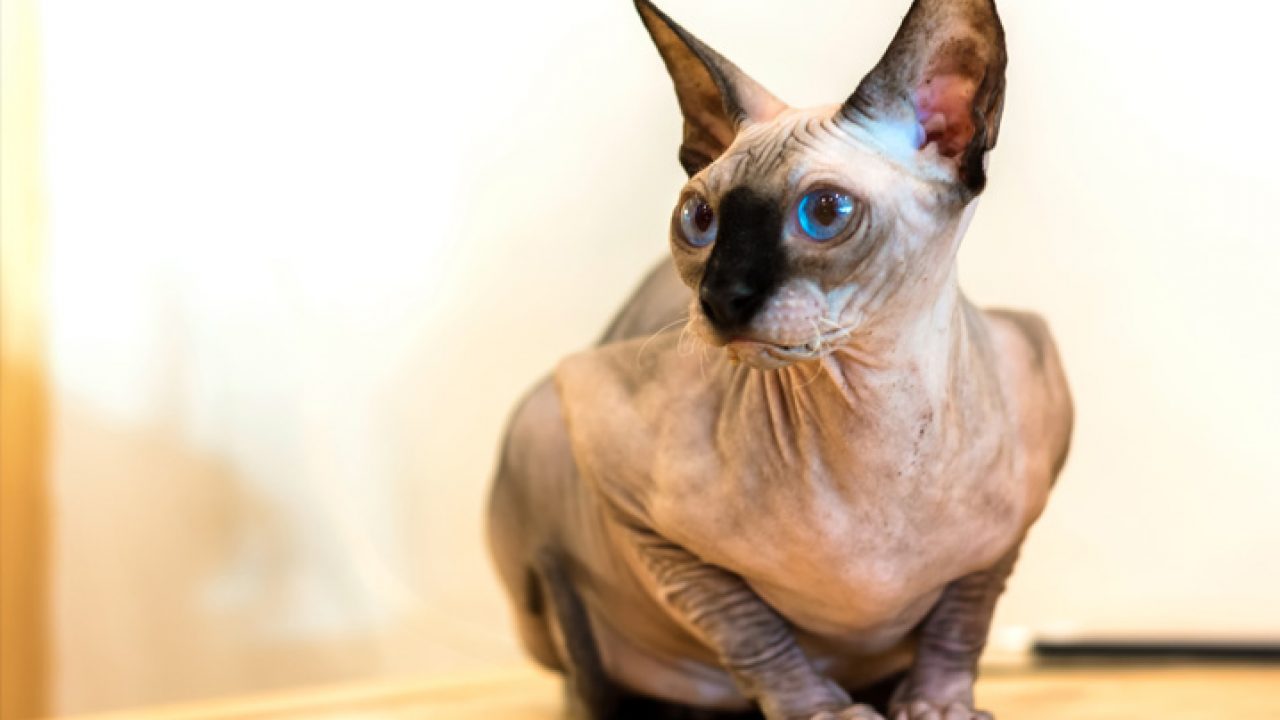
The Sphynx looks unusual, with wrinkled, warm-feeling skin and large ears, but behind the look is a very people-oriented cat.

Quick facts

  • Weight: about 3.5 to 7 kg (8 to 15 lb)
  • Lifespan: commonly 8 to 14 years
  • Coat: appears hairless, usually covered in a fine down
  • Care level: skin and ear care are essential

Appearance

Their lack of coat shows off the muscular body, lemon-shaped eyes and prominent cheekbones. Skin can be any color or pattern, and may feel like warm suede.

Personality

Sphynx cats are outgoing, energetic and love attention. They tend to follow their people around, seek warmth in laps and under blankets, and often get along with other pets. They do not like to be left alone for long periods.

Skin and body care

Without fur to absorb oils, the skin gets greasy. Most Sphynx cats need a gentle bath every one to four weeks and wiping of skin folds. Clean ears weekly, as wax builds up fast. Keep them indoors, because they can sunburn and get cold. Provide a warm bed and, in cool seasons, a soft sweater.

Health considerations

Hypertrophic cardiomyopathy, skin problems and dental disease are the most common concerns. Choose breeders who screen for heart disease. They also eat more to keep warm, so feed a quality diet in measured meals.

Is it for you?

Sphynx cats suit people who can be home often and enjoy hands-on grooming. If that is you, they make affectionate, entertaining companions.

This guide is for general information only and is not a substitute for advice from a qualified veterinarian. If your pet seems unwell, contact your vet.
More Details
Jul 21, 2023
Ragdoll Cats: Gentle Giants of the Cat World

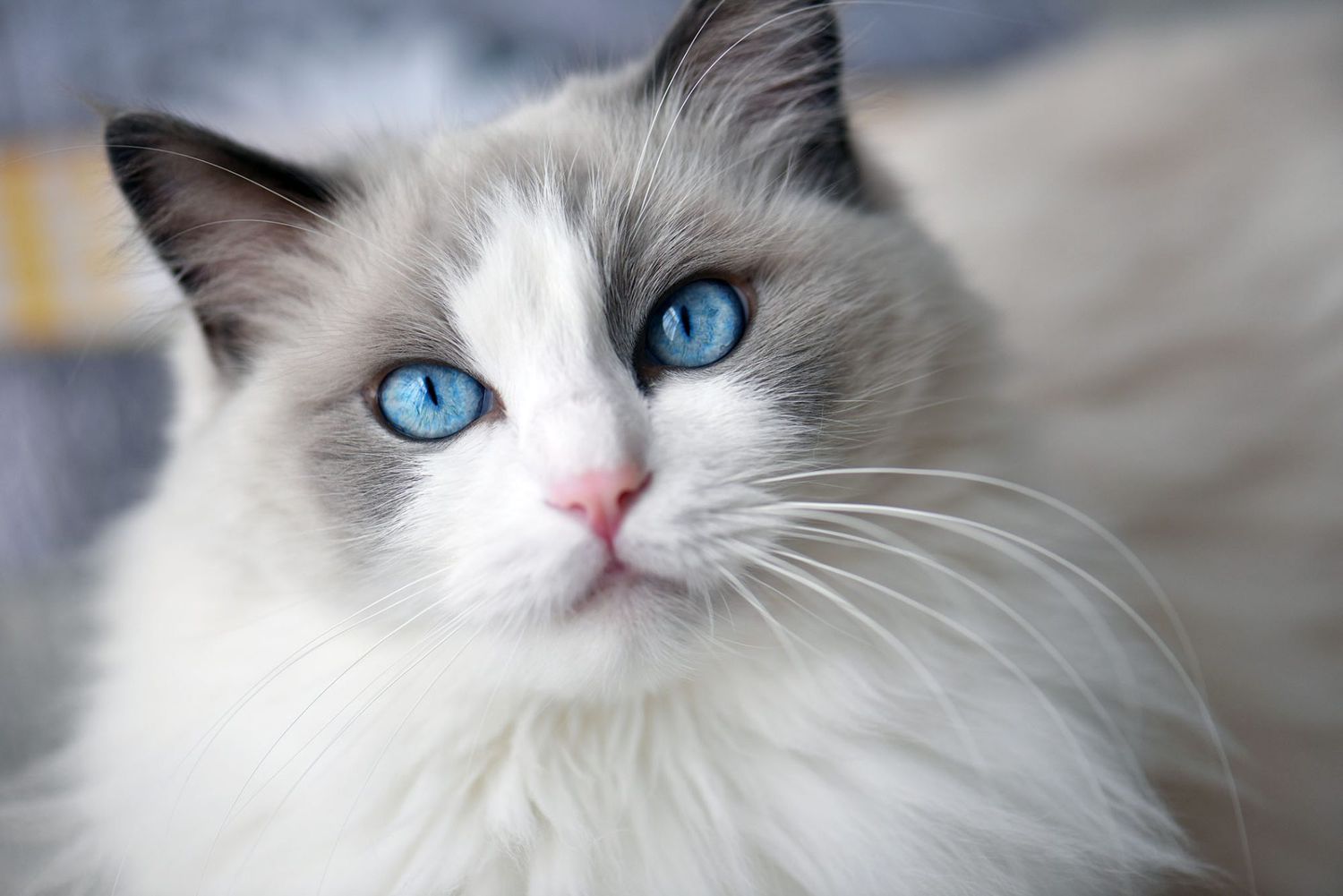
The Ragdoll was developed in California in the 1960s and is famous for going limp when picked up, which inspired its name. It is a large, semi-longhaired cat with blue eyes and a soft, quiet personality.

Quick facts

  • Weight: about 4.5 to 9 kg (10 to 20 lb)
  • Lifespan: commonly 12 to 17 years
  • Coat: semi-long, silky, colorpoint patterns
  • Maturity: slow, reaching full size at about 3 to 4 years

Appearance

Ragdolls have a broad chest, a plush tail and a pointed pattern in colors such as seal, blue, chocolate and lilac, with variations like mitted, bicolor and lynx. Their eyes are blue.

Temperament

They are known for being relaxed and affectionate. Many follow their owners from room to room and enjoy being held. They are generally good with children and other pets, but because they are so trusting they should live indoors.

Grooming

The coat mats less than many longhaired breeds, but brush two or three times a week and daily during shedding. Trim nails and brush teeth regularly.

Health

Ragdolls can be prone to hypertrophic cardiomyopathy and bladder stones. Ask the breeder for heart screening and keep your cat active and lean.

Final thoughts

If you want a calm, cuddly companion and have room for a big cat, the Ragdoll is a wonderful choice.

This guide is for general information only and is not a substitute for advice from a qualified veterinarian. If your pet seems unwell, contact your vet.
More Details
Jul 19, 2023
Turkish Angora: An Elegant Longhaired Cat

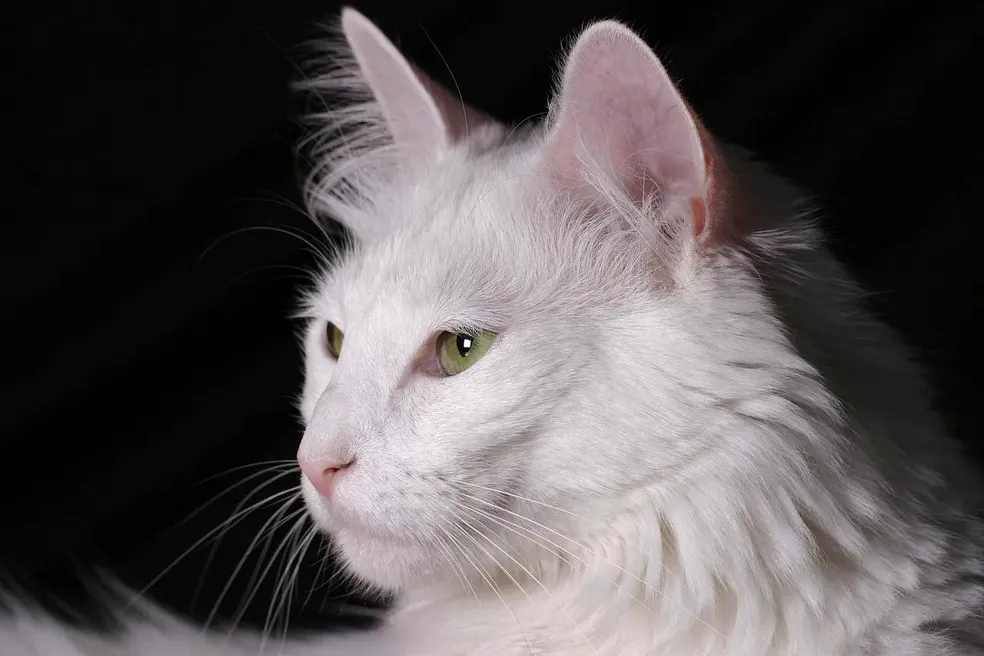
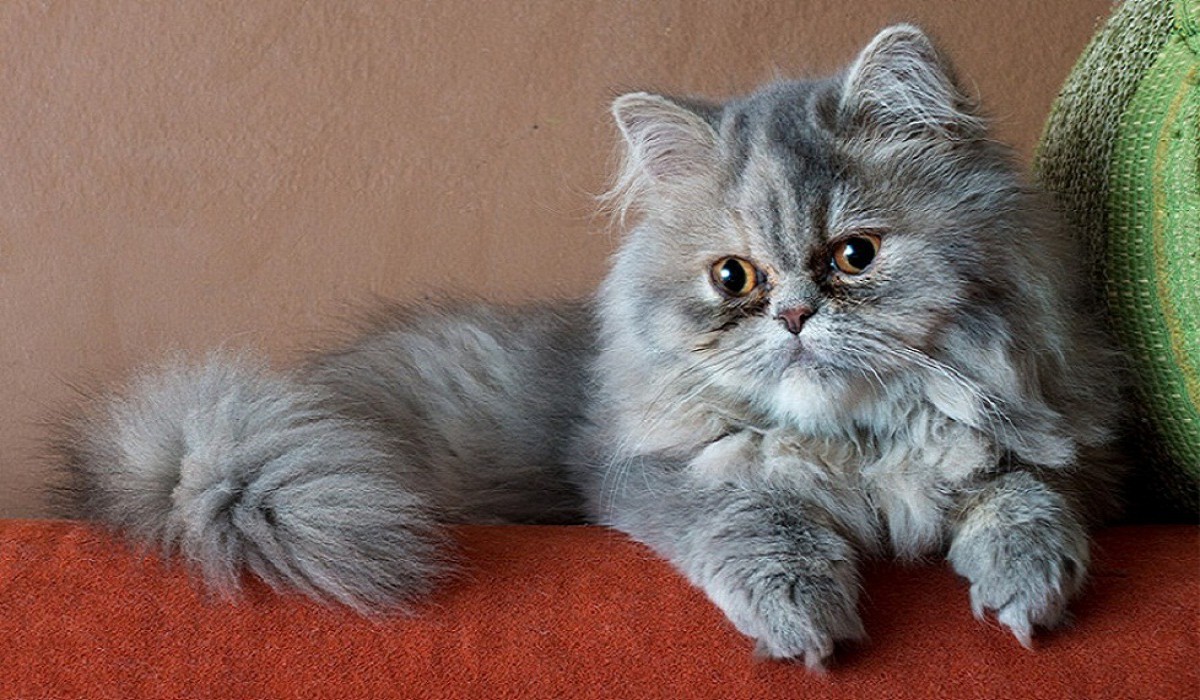
The Turkish Angora is believed to originate in the Ankara region of Turkey and is among the oldest recognized cat breeds. It is known for its silky white coat, though many colors exist.

Quick facts

  • Weight: about 2.5 to 5 kg (5.5 to 11 lb)
  • Lifespan: often 12 to 18 years
  • Coat: fine, silky, semi-long with little undercoat
  • Energy: high

Appearance

Angoras have a slender, elegant body, a wedge-shaped head and a plumed tail. White cats may have blue, amber or odd eyes. White cats with blue eyes can be prone to deafness.

Personality

They are clever, active and attached to their family. Expect them to climb, play fetch and investigate every cupboard. Angoras like to be at the center of things, so they do best with an owner who can supply play and attention.

Grooming

The silky coat tangles less than many longhaired coats. Brush a couple of times a week and more often in shedding season. Check ears, teeth and nails regularly.

Health

Generally healthy, though some lines carry risk of heart disease and ataxia, and deafness in white cats. Choose breeders who test their cats.

Final thoughts

For an active, affectionate and elegant cat, the Turkish Angora is a lovely choice.

This guide is for general information only and is not a substitute for advice from a qualified veterinarian. If your pet seems unwell, contact your vet.
More Details
Jul 19, 2023
Maine Coon: The Gentle Giant of Cats

The Maine Coon is native to the northeastern United States and is known for its size, tufted ears and bushy tail. Despite the large frame, it is often called a gentle giant.

Quick facts

  • Weight: about 5.5 to 11 kg (12 to 25 lb), males larger
  • Lifespan: commonly 10 to 15 years
  • Coat: long, shaggy, water-resistant
  • Maturity: up to 3 to 5 years

Appearance

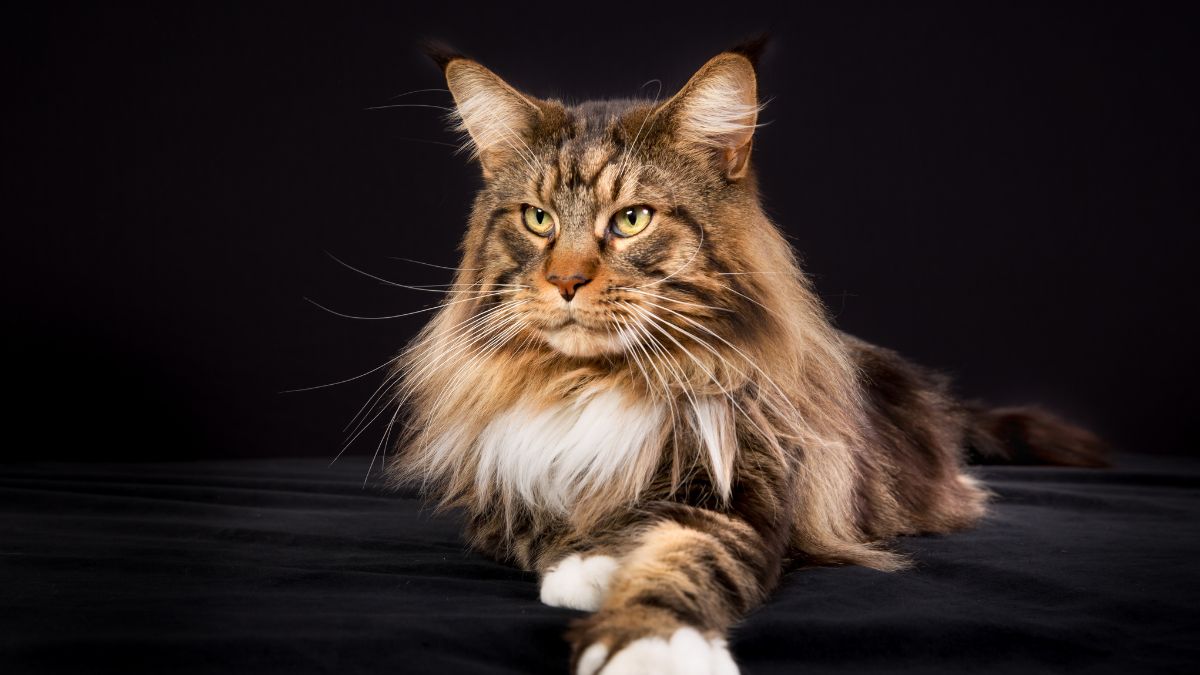
Maine Coons have a rectangular body, large paws, lynx-like ear tufts and a thick ruff around the neck. Colors and patterns vary widely, with brown tabby the best known.

Personality

These cats are sociable, playful and often dog-like. Many follow their people, enjoy water and chirp or trill rather than meow. They tend to get along with children and other pets.

Grooming

Brush two to three times per week, and daily during heavy shedding, to prevent mats on the belly, behind the ears and on the britches.

Health

The breed can develop hypertrophic cardiomyopathy, hip dysplasia and spinal muscular atrophy. Reputable breeders screen for these conditions. Provide a big litter box, sturdy scratching post and measured food portions.

Is it for you?

If you have space and time for a large, affectionate cat, the Maine Coon is a joy to live with.

This guide is for general information only and is not a substitute for advice from a qualified veterinarian. If your pet seems unwell, contact your vet.

More Details
Jul 18, 2023
Why Do Cats Have Whiskers?

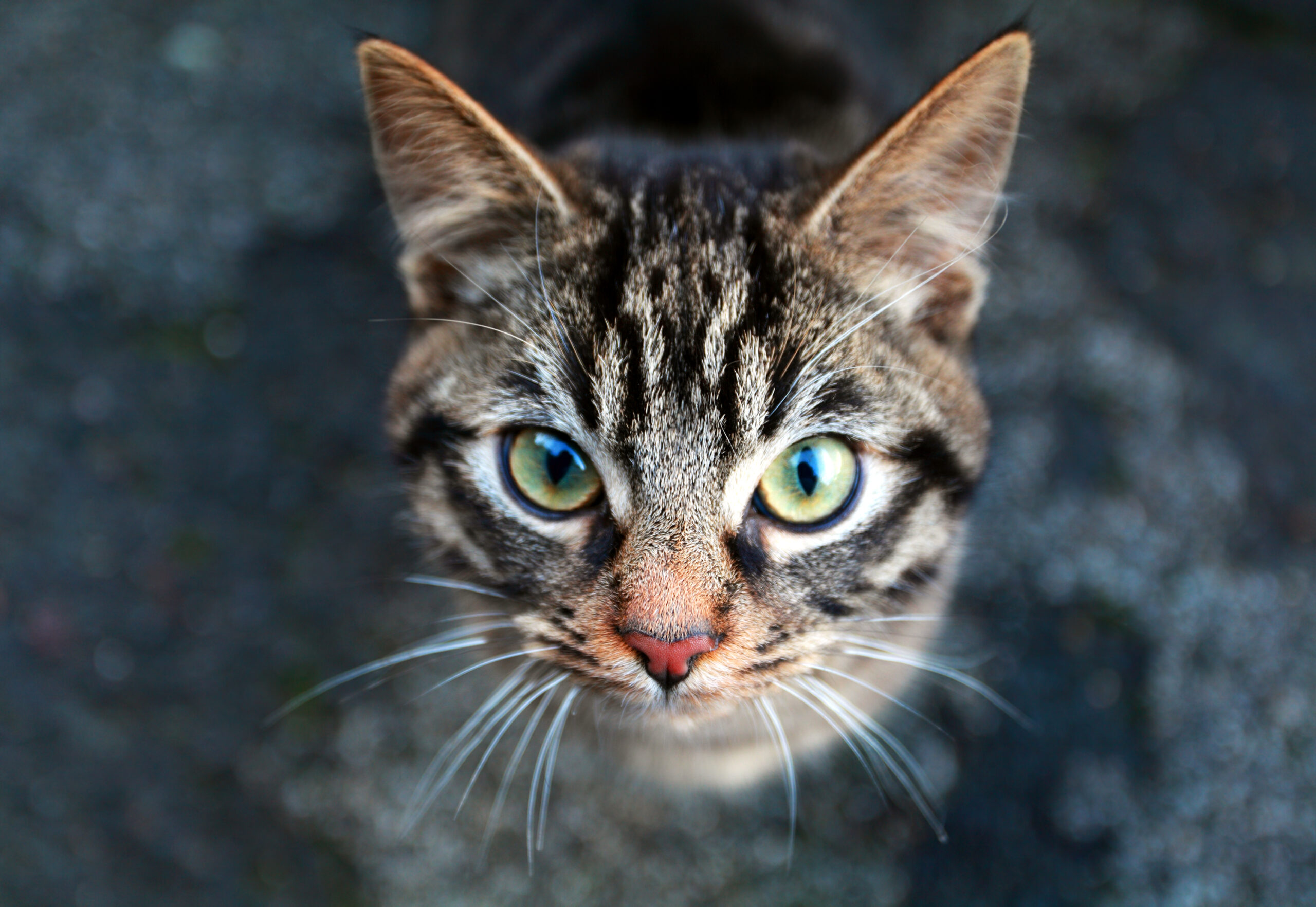
A cat’s whiskers (vibrissae) are thick, deeply rooted hairs packed with nerves.

What whiskers do

  • Sense the environment: they detect air currents and nearby objects
  • Help judge spaces: they are about as wide as the cat’s body
  • Aid hunting: they sense prey movement at close range
  • Protect the eyes: they trigger a blink reflex

Whisker fatigue

Some owners believe deep or narrow bowls overstimulate whiskers. This is not proven, but a wide, shallow dish does no harm if your cat seems to dislike its bowl.

Mood clues

Whiskers pushed forward often show curiosity or excitement. Pulled back against the face can show fear or aggression.

Care

Never trim or pull whiskers. They fall out naturally and regrow. If they break off in large numbers, ask your vet.

This guide is for general information only and is not a substitute for advice from a qualified veterinarian. If your pet seems unwell, contact your vet.
More Details
Jul 17, 2023
Burmese Cats: Affectionate and People-Focused

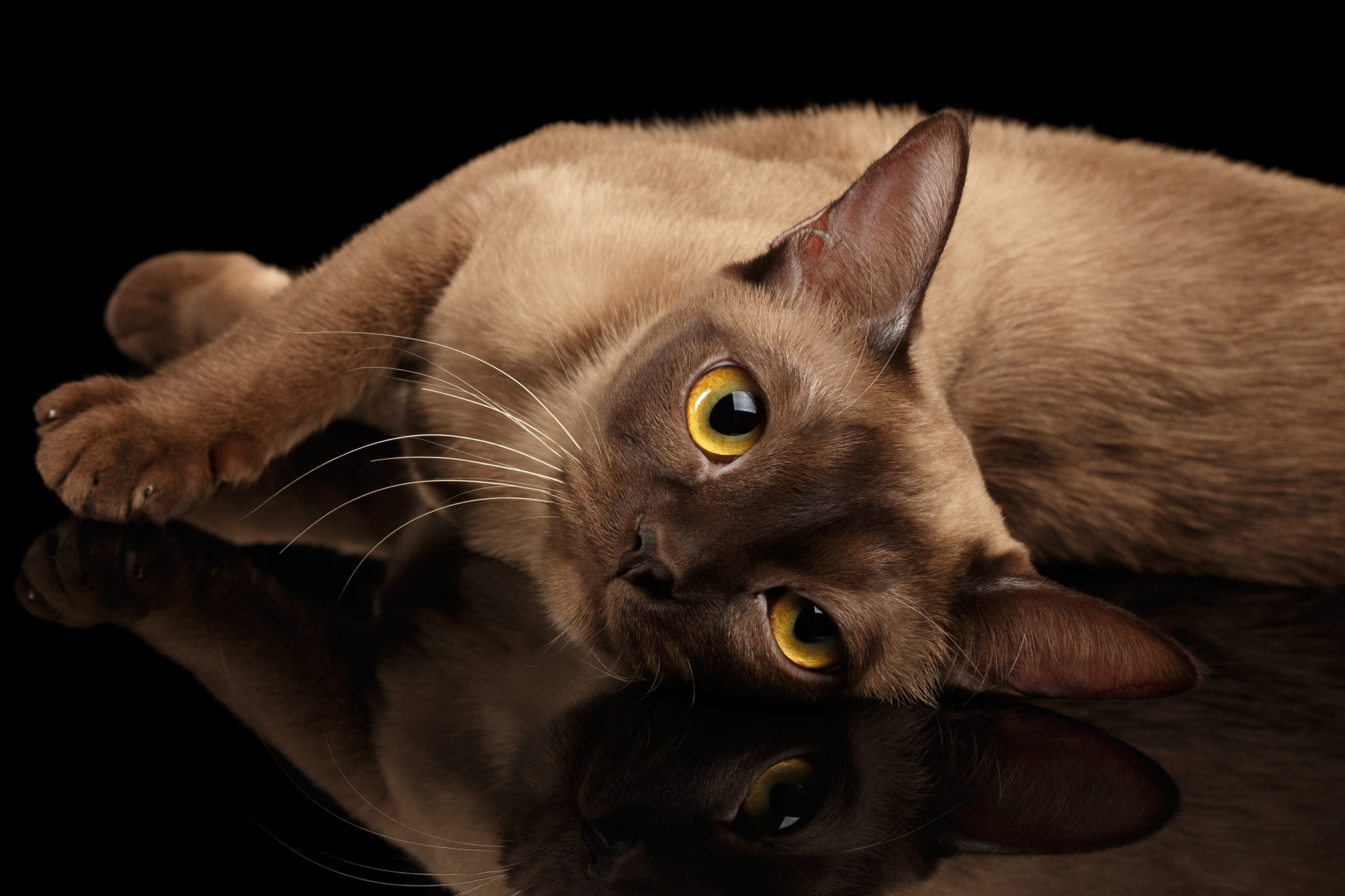
The Burmese traces its roots to a cat called Wong Mau brought from Burma to the United States in the 1930s. Today it is loved for its satin coat and sociable nature.

Quick facts

  • Weight: about 3.5 to 5.5 kg (8 to 12 lb), heavier than they look
  • Lifespan: commonly 12 to 16 years
  • Coat: short, glossy, close-lying
  • Energy: moderate to high

Appearance

Burmese cats have a rounded head, expressive golden eyes and a compact, muscular body. Colors include sable, champagne, blue and platinum.

Personality

They are affectionate, talkative in a soft voice and love being with people. They enjoy play well into adulthood and tolerate other pets. Expect a “shadow” that follows you around.

Care

Brush weekly, maintain dental hygiene and give plenty of play. Do not leave a Burmese alone for long periods.

Health

Possible issues include diabetes mellitus, dental disease and some inherited conditions. Choose breeders who test and keep your cat at a healthy weight.

Final thoughts

A Burmese suits a home where someone is around and ready to play.

This guide is for general information only and is not a substitute for advice from a qualified veterinarian. If your pet seems unwell, contact your vet.
More Details
Jul 12, 2023
Siamese Cats: Elegance, Voice and Personality

The Siamese is one of the oldest cat breeds from Thailand (formerly Siam). It is famous for blue almond-shaped eyes and a cream coat with dark points.

Quick facts

  • Weight: about 3 to 5.5 kg (6.5 to 12 lb)
  • Lifespan: often 12 to 20 years
  • Coat: short, fine, pointed
  • Vocal: very

Appearance

Siamese cats have long limbs, a wedge-shaped head and large ears. Point colors include seal, chocolate, blue and lilac.

Personality

Siamese are highly social and talkative. They want to be near you, can follow you around, and may be unhappy alone for many hours. They are intelligent and can learn tricks.

Care

Brush weekly, keep teeth clean and give lots of mental stimulation.

Health

Concerns may include dental disease, respiratory problems and progressive retinal atrophy. Choose a breeder who tests.

Conclusion

Siamese cats suit people who enjoy conversation and constant company.

This guide is for general information only and is not a substitute for advice from a qualified veterinarian. If your pet seems unwell, contact your vet.

More Details