
Feb 24, 2026
Do Fish Feel Pain?

For most of the 20th century, the scientific consensus was that fish probably could not feel pain. They lacked a neocortex — the brain region where mammals process and interpret painful sensations — and that seemed to settle the matter. In the early 2000s, biologist Lynne Sneddon’s research began dismantling that assumption — and today, the majority of biologists and veterinarians working in this area believe the evidence for fish pain is strong enough to take seriously. The debate has shifted from “can fish feel pain?” to “what should we do about it?”

The Evidence That Fish Feel Pain

The case for fish pain is built on multiple lines of evidence — anatomy, neurochemistry, behaviour and learning — all pointing in the same direction.

The anatomy: fish have the wiring for detecting harm

Fish possess nociceptors — the specialised nerve endings that detect tissue damage and send pain signals in all vertebrates. Lynne Sneddon’s early research identified nociceptors in trout that were structurally similar to those found in mammals. Fish also have the neurotransmitters and receptor systems — including opioid receptors — that are associated with pain processing in other animals.

The behaviour: fish act as if pain matters to them

Beyond anatomy, fish show complex behavioural responses to noxious stimuli that go beyond simple reflexes. Trout injected with a mildly irritating substance spent time rubbing the affected area against the tank gravel — a targeted, purposeful response suggesting the fish was trying to relieve localised discomfort, not just reacting reflexively. Fish have also been observed avoiding areas of tanks where they previously received electric shocks, and modifying their behaviour in ways that suggest a desire to escape or avoid the source of pain. Importantly, these responses persist and influence subsequent behaviour — a hallmark of genuine pain experience rather than nociception alone.

The cognitive context: fish are more complex than assumed

Research over the past two decades has revealed that many fish species have surprisingly sophisticated cognitive lives. Fish have demonstrated the ability to recognise individual faces, use tools, cooperate in hunting, show signs of social learning and form long-term memories. The cleaner wrasse — a small reef fish — has passed versions of the mirror self-recognition test, a test that only a handful of non-human species pass. This broader picture of fish cognition makes the possibility of conscious pain experience more plausible: genuine pain perception appears to require a brain complex enough to evaluate and respond to harm, not merely detect it.

Why the Debate Still Exists

The scientific consensus has shifted substantially — but genuine uncertainty remains, and not all researchers are convinced.

The central challenge is that pain has two components: nociception (detecting harmful stimuli) and the subjective experience of suffering. Almost everyone agrees fish have nociception. The genuine disagreement is about whether fish have the neural architecture to experience nociception as suffering — whether there is “something it is like” to be a fish in pain, in the philosophical sense. Researcher James Rose has argued persistently that without a neocortex, fish simply cannot generate conscious pain experience, however sophisticated their behavioural responses appear. Other researchers, including Victoria Braithwaite and Lynne Sneddon, counter that the neocortex requirement is not well justified — that other brain structures may serve equivalent functions in fish, and that the behavioural evidence is too consistent and too complex to be explained purely by unconscious reflex.

What This Means for Pet Fish Owners

Whether or not the philosophical debate resolves, the practical implications for how we keep and handle fish are clear.

  • Water quality matters beyond basic survival: fish kept in poor water conditions — high ammonia, incorrect pH, low oxygen — show stress responses consistent with discomfort; maintaining good water quality is a welfare issue, not just a health one
  • Tank size and enrichment: fish in understimulating or overcrowded environments show chronic stress indicators; providing appropriate space, hiding spots and environmental complexity reduces these responses
  • Handling: removing fish from water causes rapid physiological stress — keep time out of water as brief as possible and handle with wet hands or a wet net to protect their mucus coating
  • Injury and disease: wounds, parasites and infections are likely to cause discomfort; prompt treatment is not just about survival but about reducing potential suffering
  • Euthanasia: the AVMA recommends specific humane methods for euthanising fish — simply placing a fish in the freezer or flushing it while still alive is not considered humane

Further reading on fish cognition and welfare:

FAQ

Do pet fish like betta fish feel pain?

Based on current evidence, almost certainly yes — betta fish are teleosts (bony fish) with nociceptors, opioid receptors and the same basic neural architecture that has been studied in trout and other species. They also show complex behaviours consistent with stress and discomfort when kept in poor conditions. Treating your betta’s welfare seriously is well justified by the evidence.

Do fish feel pain when hooked?

This is one of the most actively studied questions in fish pain research. The anatomical and behavioural evidence suggests that hooking causes a genuine pain response.

Can fish feel stress?

Yes — and this is less debated than pain. Fish show well-documented physiological stress responses (elevated cortisol, changes in heart rate, altered behaviour) in response to poor water quality, overcrowding, handling, predator presence and sudden environmental changes.

Is it cruel to keep fish in a small tank?

Based on current evidence, yes — keeping fish in tanks that are too small, understimulating or poorly maintained causes chronic stress responses that are likely to involve some form of suffering.

This guide is for general information only and is not a substitute for advice from a qualified veterinarian. If your pet seems unwell, contact your vet.

More Details
Feb 23, 2026
Human Foods Dogs Can and Can’t Eat: A Complete Vet-Backed Guide

Many human foods are perfectly safe for dogs — carrots, plain cooked chicken and blueberries are among the most vet-recommended. However, the American Kennel Club warns that some common kitchen foods are genuinely dangerous: grapes and raisins can cause sudden kidney failure, chocolate contains a toxin dogs cannot metabolise efficiently, and xylitol — an artificial sweetener found in many sugar-free products — can be fatal in tiny amounts. When in doubt, leave it out and ask your vet.

Human Foods Dogs Can Eat Safely

These foods are generally safe for healthy adult dogs when given plain, in moderation, and without added salt, seasoning or sauces. Dogs with specific health conditions should have new foods cleared with a vet first.

Vegetables

  • Carrots: raw or cooked, no seasoning — low calorie, high fibre, one of the top vet-recommended dog treats
  • Green beans: plain only — low calorie, often used as a treat substitute for overweight dogs
  • Pumpkin: plain cooked or canned (not pie filling) — excellent for digestive upsets, helps both diarrhoea and constipation
  • Sweet potato: cooked and plain only — never raw, which is difficult for dogs to digest
  • Cucumber: hydrating, very low calorie — no seasoning or pickle brine
  • Broccoli: small amounts only — large quantities cause gas and digestive irritation
  • Peas: fresh or frozen — not canned, which contains too much sodium

Fruits

  • Blueberries: safe and rich in antioxidants — give in moderation as sugar adds up
  • Watermelon: safe with seeds and rind removed — hydrating in summer
  • Apple: safe with seeds and core completely removed — apple seeds contain cyanogenic compounds toxic to dogs
  • Banana: safe in small portions — high in natural sugar, not a daily treat
  • Strawberries: safe in moderation — high in natural sugar
  • Mango: safe with pit and skin removed — pit is a choking hazard and contains toxic compounds

Proteins and other foods

  • Plain cooked chicken or turkey: one of the safest proteins — no bones, no skin, no seasoning
  • Cooked eggs: scrambled or boiled — no butter, oil or salt
  • Cooked fish: fully cooked, bones removed — salmon is rich in omega-3 fatty acids
  • Plain cooked rice: easy to digest, often recommended during stomach upset
  • Peanut butter: safe only if it contains no xylitol — check the label every single time, including “natural” versions
  • Cheese: safe in small amounts for dogs without lactose intolerance — high in fat, give sparingly

Human Foods Dogs Cannot Eat

These foods range from mildly harmful to potentially fatal. Some require only a very small amount to cause serious damage — especially in small breeds.

  • Grapes and raisins: can cause sudden acute kidney failure — the toxic substance is not yet identified, meaning no amount is considered safe; even one grape has caused fatal kidney failure in small dogs
  • Chocolate: contains theobromine, which dogs metabolise much more slowly than humans — dark and baking chocolate are the most dangerous; symptoms include vomiting, tremors, rapid heart rate and seizures
  • Xylitol: artificial sweetener in sugar-free gum, some peanut butters, baked goods and dental products — causes a rapid, life-threatening drop in blood sugar and can lead to liver failure; always check labels
  • Onions and garlic (and all alliums): all forms toxic — raw, cooked, dried or powdered; damage red blood cells and cause anaemia; garlic powder in seasoning is enough to be harmful over time
  • Macadamia nuts: even a few nuts can cause weakness, vomiting, tremors and hyperthermia — mechanism not fully understood but toxicity is well established
  • Avocado: contains persin, which causes vomiting and diarrhoea; pit is a choking and intestinal obstruction hazard
  • Alcohol: causes the same effects as in humans but at far smaller doses — even small amounts cause dangerous drops in blood sugar, blood pressure and body temperature
  • Coffee, tea and caffeine: toxic to dogs — causes rapid heart rate, tremors, seizures and can be fatal
  • Cooked bones: splinter easily and can puncture the digestive tract; ask your vet before giving any bones
  • Raw yeast dough: expands in the stomach and produces alcohol as a byproduct — causes bloat and alcohol toxicity simultaneously
  • Nutmeg: contains myristicin, toxic to dogs — causes hallucinations, elevated heart rate and seizures

Foods That Are Risky in Certain Situations

These foods are not universally toxic but can cause problems depending on the dog, the amount or the preparation.

  • Dairy (milk, ice cream): many dogs are lactose intolerant — small amounts of hard cheese are usually fine, but large amounts of milk or cream cause diarrhoea
  • Fatty meats and skin: high-fat foods trigger pancreatitis, especially in prone breeds — avoid bacon, fatty trimmings and fried foods entirely
  • Stone fruit pits: cherry, peach, plum and apricot pits contain cyanogenic compounds and are choking hazards — the flesh of most stone fruits is safe, but always remove the pit
  • Corn on the cob: the corn is not toxic but dogs frequently swallow chunks of cob whole, which cannot be digested and causes life-threatening intestinal obstruction
  • Mushrooms: most store-bought mushrooms are not toxic, but wild mushrooms are extremely dangerous and difficult to identify — safer to avoid all mushrooms
  • Salty snacks: large amounts of salt cause sodium ion poisoning — vomiting, diarrhoea, excessive thirst and in severe cases seizures

Quick Reference: Safe vs Toxic

Food Safe for dogs? Key note
Carrots ✅ Yes Plain only — one of the best treats
Cooked chicken ✅ Yes No bones, no seasoning, no skin
Blueberries ✅ Yes In moderation — rich in antioxidants
Apple ✅ Yes* Remove seeds and core completely
Peanut butter ✅ Yes* Only if xylitol-free — check every label
Grapes / raisins ❌ Never Can cause sudden kidney failure
Chocolate ❌ Never Theobromine is toxic — dark most dangerous
Xylitol ❌ Never Can be fatal in tiny amounts
Onion / garlic ❌ Never All forms toxic — damages red blood cells
Avocado ❌ Never Contains persin — vomiting and diarrhoea

✅ Carrots

Safe: Yes — plain only

Note: One of the best dog treats

✅ Cooked chicken

Safe: Yes

Note: No bones, no seasoning, no skin

✅ Peanut butter

Safe: Only if xylitol-free

Note: Check every label — including natural versions

❌ Grapes / raisins

Safe: Never

Note: Can cause sudden kidney failure

❌ Chocolate

Safe: Never

Note: Theobromine toxic — dark most dangerous

❌ Xylitol

Safe: Never

Note: Can be fatal in tiny amounts

What to Do If Your Dog Eats Something Toxic

Do not wait for symptoms to appear. If your dog has eaten grapes, raisins, xylitol, chocolate, onions or garlic, contact your vet immediately or call the ASPCA Animal Poison Control Center at 888-426-4435. The earlier you act, the more treatment options are available. Never induce vomiting at home without explicit instructions from a vet — some substances cause more damage coming back up.

Official references for toxic food lists:

FAQ

Can dogs eat vegetables from my dinner?

Often yes — but only if plain. Set your dog’s portion aside before adding oil, butter, garlic or seasoning. Vegetables cooked with onion or garlic powder are not safe even in small amounts.

Is a small amount of chocolate really dangerous?

It depends on the type and your dog’s size. Dark and baking chocolate are far more toxic than milk chocolate. A large dog eating a small piece of milk chocolate may only experience an upset stomach, while the same amount of dark chocolate given to a small dog could require emergency treatment. There is no safe amount — contact your vet with the type, quantity and your dog’s weight.

My dog ate food containing onion. Should I worry?

A very small amount in a large dog is unlikely to cause immediate harm, but onion toxicity is cumulative — repeated exposure adds up. If your dog regularly eats food seasoned with onion or garlic powder, mention it to your vet at the next visit.

Are there safe low-calorie treats I can give my dog?

Yes. Raw carrots, plain green beans, cucumber slices and plain air-popped popcorn (no butter or salt) are all low-calorie options that most dogs enjoy. These are particularly useful for dogs on a weight management plan.

This guide is for general information only and is not a substitute for advice from a veterinarian or veterinary toxicologist. If your dog has eaten something potentially toxic, contact your vet or an animal poison control centre immediately — do not rely on this article to assess severity.

More Details
Feb 23, 2026
Dog Obesity: How to Tell If Your Dog Is Overweight (Body Condition Score Guide)

According to the Association for Pet Obesity Prevention, more than half of dogs in the US are overweight or obese — and most owners do not realise it, partly because gradual weight gain is hard to spot and partly because heavier dogs have become normalised. Carrying excess weight shortens a dog’s lifespan and is directly linked to arthritis, diabetes, heart disease and certain cancers. The good news is that you can check your dog’s body condition at home in under two minutes, with no scale required.

The 3-Step At-Home Body Check

The Body Condition Score (BCS) does not require a scale. It uses what you can see and feel to estimate whether your dog has too little fat, the right amount, or too much.

Step 1: Feel the ribcage

Place both hands flat on your dog’s sides, thumbs on the spine, fingers spread over the ribcage. The ribs should feel like the back of your hand — bones detectable with light pressure, covered by a thin, even layer of tissue. If you have to press firmly to find ribs, there is excess fat. If ribs feel sharp and prominent with no padding at all, the dog is underweight.

Step 2: Look from above

Stand directly above your dog and look down. At an ideal weight, you should see a clear waist — a visible narrowing between the ribcage and hips. An overweight dog will have a straight or rounded profile from above, with no visible waist. An obese dog may appear wider at the midsection than at the chest.

Step 3: Look from the side

From the side, check the abdominal tuck — the area behind the last rib going up toward the hind legs. At a healthy weight the belly rises noticeably from the bottom of the ribcage. An overweight dog will have a flat or sagging abdomen with little to no tuck.

The 9-Point Body Condition Score Explained

The BCS is the tool vets use at every weight check. A score of 4 or 5 out of 9 is considered ideal. Each point above 5 corresponds to roughly 10–15% over ideal body weight.

BCS Score Description What you feel and see
1–2 Severely underweight Ribs, spine and hip bones visible from a distance. Vet assessment needed.
3 Underweight Ribs easily visible with no fat cover. Pronounced waist and tuck.
4–5 Ideal Ribs felt easily with minimal fat. Clear waist from above. Abdominal tuck visible from the side.
6–7 Overweight Ribs felt only with firm pressure. Waist not obvious from above. ~10–20% above ideal.
8–9 Obese Ribs not palpable. No waist or tuck. Fat deposits on neck and limbs. Vet needed.

BCS 1–2: Severely underweight

Signs: Ribs, spine and hips visible from a distance

Action: Vet assessment needed immediately

BCS 4–5: Ideal

Signs: Ribs felt easily, clear waist, abdominal tuck

Action: Maintain current diet and activity

BCS 6–7: Overweight

Signs: Ribs hard to feel, no visible waist

Action: Reduce calories 10–20%, increase activity

BCS 8–9: Obese

Signs: Ribs not palpable, fat deposits on neck and limbs

Action: Vet visit required — medical causes to rule out

Other Signs Your Dog May Be Overweight

These signs often appear before the numbers on a scale become alarming — and they are worth taking seriously early.

  • Tires quickly on walks: reluctance to exercise, slowing down earlier than usual, difficulty keeping up
  • Laboured breathing or snoring: excess fat around the chest and throat reduces airway space
  • Difficulty grooming: dogs that cannot reach certain areas to clean themselves due to abdominal size
  • Joint stiffness: hesitation before getting up, reluctance to climb stairs or jump onto furniture
  • Overheats easily: excessive panting in mild temperatures or after minimal exertion
  • Visible fat pads: deposits around the base of the tail, over the hips or around the neck

What to Do If Your Dog Is Overweight

The first step is always a vet visit — not to be told your dog is overweight, but to rule out medical causes that diet changes alone will not fix.

Hypothyroidism and Cushing’s disease both cause weight gain that will not respond to calorie restriction alone. Once medical causes are ruled out, the approach is straightforward: reduce calorie intake by 10–20% and increase activity gradually.

  • Measure food precisely: use a kitchen scale rather than cups — cups are notoriously inaccurate and the leading cause of unintentional overfeeding
  • Cut high-calorie treats: switch to low-calorie alternatives like raw carrots, plain green beans or cucumber slices
  • Check every ingredient: dental chews, training treats and table scraps all count toward daily calories
  • Increase activity gradually: add 5–10 minutes to walks each week rather than jumping to long sessions that strain already-stressed joints
  • Weigh monthly: a healthy rate of loss is 1–2% of body weight per month — slower than most owners expect, but safer

Further reading on canine weight management:

FAQ

Is the at-home BCS check accurate?

It is a reliable screening tool when the steps are followed carefully. Very thick-coated breeds can be harder to assess by feel alone. When in doubt, ask your vet to confirm the score at the next visit — most clinics assess BCS at every wellness exam.

My vet says my dog is overweight but they seem healthy. Should I worry?

Yes. Dogs compensate well and rarely show obvious signs of early weight-related strain. A BCS of 6–7 already adds significant stress to joints and internal organs. Weight management is much easier at this stage than after problems become visible.

Do some breeds naturally weigh more?

Yes — which is why BCS is more useful than a scale number alone. Two Labradors at 80 lbs can have completely different body conditions. What matters is fat cover and body shape, not the number on the scale.

How long does it take an overweight dog to reach a healthy weight?

At a safe rate of 1–2% body weight loss per month, a dog that is 20% overweight may take 10 to 12 months to reach their ideal condition. This is intentionally slow — rapid weight loss in dogs causes muscle loss, not just fat loss.

This guide is for general information only and is not a substitute for advice from a qualified veterinarian. If your pet seems unwell, contact your vet.

More Details

Feb 18, 2026
How to Find a Good Vet for an Exotic Pet (and What to Ask)

Quick answer: Search for a veterinarian who regularly treats your type of animal, using directories from groups such as the Association of Reptile and Amphibian Veterinarians (ARAV), the Association of Exotic Mammal Veterinarians (AEMV) and the Association of Avian Veterinarians (AAV). Do this before you buy the animal.

Why a regular vet may not be enough

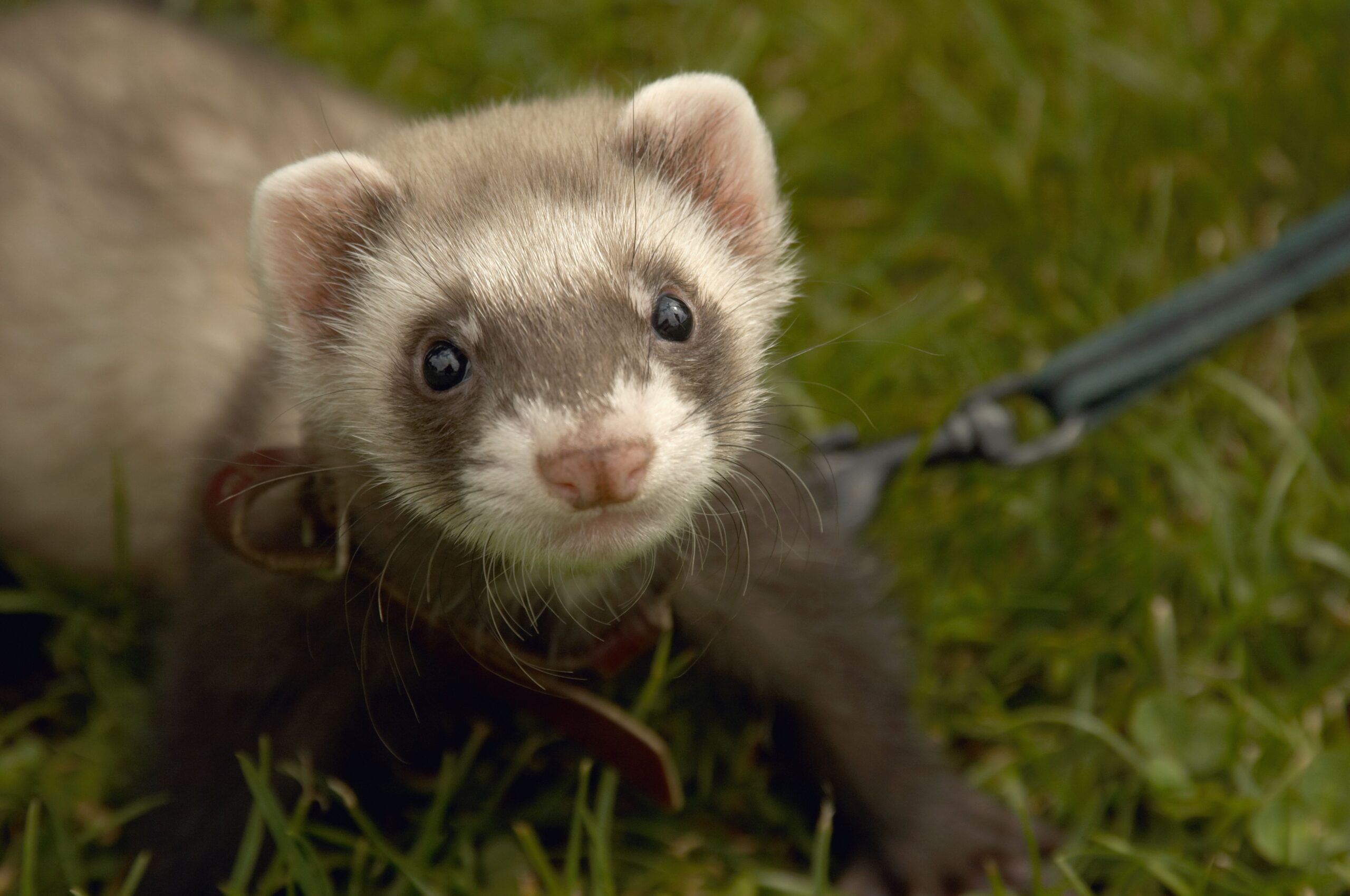
Reptiles, birds, rabbits, ferrets and other exotic animals have unique anatomy, diets and diseases. A vet without exotic training may miss early signs of illness, which these animals often hide.

Where to find an exotic vet

  • Directories from ARAV, AEMV and AAV
  • Local veterinary schools and referral hospitals
  • Reputable breeders and rescues
  • Local hobbyist groups and forums, double-checked with the vet’s credentials

Questions to ask the clinic

  1. Do you treat my species regularly?
  2. What training or certifications do your vets have?
  3. Do you offer emergency or after-hours care, or refer to someone who does?
  4. What is the cost of a routine exam and a fecal test?
  5. What should I bring to the first appointment?

What to bring to the first visit

  • A fresh fecal sample, if recommended
  • Photos of the enclosure, with temperatures and humidity
  • A list of foods and supplements
  • Any records from the breeder or previous vet

How often to visit

Healthy animals should have a check-up at least once a year, and new pets should be seen shortly after adoption. Seniors or animals with conditions may need more frequent visits.

Signs you should call right away

  • Not eating for longer than is normal for the species
  • Trouble breathing, wheezing or open-mouth breathing
  • Swelling, wounds or discharge
  • Lethargy, falling or loss of balance
  • Changes in droppings or urination

FAQ

Are exotic vet visits more expensive?

They can cost more because of specialized equipment and training. Ask for an estimate.

Can I treat my exotic pet at home?

Do not give medication without veterinary advice, because dosing differs between species.

What if there is no exotic vet nearby?

Ask your local vet about telehealth consultations or referral clinics.

This guide is for general information only and is not a substitute for advice from a qualified veterinarian. If your pet seems unwell, contact your vet.

More Details
Jan 18, 2026
Do Betta Fish Recognise Their Owners?

Most people assume fish are passive, indifferent creatures with no memory and no awareness of who is standing in front of their tank. The science tells a very different story. A 2016 study published in Scientific Reports found that archerfish could recognise individual human faces with remarkable accuracy — demonstrating that even a brain without a neocortex is capable of this feat.

Do Betta Fish Really Recognise Their Owners?

The short answer is yes — and the mechanism is more sophisticated than simple food conditioning.

The science of fish face recognition

The 2016 archerfish study was a landmark moment for fish cognition research. Archerfish were trained to spit water at a specific human face shown on a screen — and could then correctly identify that face among 44 new images with up to 81% accuracy. This was the first rigorous experimental proof that fish can distinguish individual human faces, using visual processing that occurs in brain regions entirely different from the neocortex mammals use.

Is it just food association?

Food is certainly part of it — bettas associate the person who feeds them with positive experiences, and this association strengthens over time. But the recognition appears to extend beyond a simple food reflex. Bettas have been observed responding to their owner’s approach even when no food is present, following the owner’s finger along the outside of the glass for extended periods, and showing measurably different behaviour toward the owner versus a stranger of similar size.

How Betta Fish Perceive the World Outside the Tank

Bettas gather information about the world beyond their glass through several senses — not just sight.

Vision

Betta fish have excellent colour vision and can detect fine differences in texture, brightness and pattern. When a betta looks through flat aquarium glass, the optics actually give it a wide-angle view of the room beyond — allowing it to see more of the environment than you might expect. Research on betta visual perception shows they can distinguish individual human faces and track moving objects with precision.

Vibration and sound

Fish have a sensory organ called the lateral line — a row of sensory cells running along each side of the body that detects pressure changes and vibrations in the water. Through the lateral line, bettas can sense footsteps on the floor, voices resonating through the tank glass and tapping near the tank.

Signs Your Betta Recognises You

These behaviours are consistently reported by betta owners and are distinct from how the fish behaves around strangers.

  • Swimming to the front of the tank: when you approach, a betta that recognises you typically swims toward the glass in your direction rather than retreating or remaining still
  • Following your finger: tracing a finger slowly along the outside of the glass and having the betta track it is one of the clearest signs of engagement and recognition — they are interacting with you specifically, not reacting to random movement
  • Increased activity on your arrival: a noticeable increase in swimming speed, fin display and general energy when you enter the room — distinct from the calmer state they maintain when you are absent
  • Gill flaring at strangers but not at you: bettas flare their gills as a display of territorial aggression toward perceived threats; a betta that flares at unfamiliar faces near the tank but not at yours has made a clear distinction between known and unknown
  • Coming to feed from your hand: bettas trained to take food from their owner’s fingertip show a level of trust and recognition that is impossible to achieve with a stranger in the same session
  • Responding to your voice: swimming toward the sound of your voice near the tank — particularly after consistent voice interaction during feeding

How to Bond With Your Betta Fish

The relationship builds through consistent, calm, positive interaction — and bettas are more capable students than most people expect.

  • Feed at the same time from the same spot every day: consistency is the foundation of recognition — a betta that can predict when and where food comes from builds the strongest associations
  • Move slowly near the tank: fast, sudden movements trigger a stress response; slow, calm movements signal safety and encourage the betta to approach
  • Trace your finger along the glass: start with slow, deliberate movements and let the betta choose to follow; this is the most interactive form of bonding available to a fish that cannot be touched safely outside the water
  • Talk near the tank: a consistent voice associated with feeding and positive interaction becomes a recognisable cue over weeks; you do not need to feel self-conscious about narrating your day to your betta
  • Train with simple tricks: bettas can be trained to follow a stick, swim through a small hoop or push a tiny ball — using food as a reward, exactly as you would train any other animal with positive reinforcement; commercial fish training kits exist for this purpose
  • Ensure a well-maintained tank: a betta in poor water conditions, with inadequate temperature (they need 24–28°C) or in a tank that is too small, will be stressed and less responsive; welfare is the prerequisite for any meaningful interaction

Further reading on betta fish intelligence and care:

FAQ

Do betta fish get lonely?

Bettas are solitary and territorial — they do not need the company of other fish and will often attack any fish they perceive as a rival. However, a betta in an unstimulating environment with no interaction can show signs of boredom and lethargy. Regular interaction with their owner provides meaningful stimulation that a bare, isolated tank does not. A betta that has bonded with its owner is generally more active and responsive than one that has had no human interaction.

How long does it take for a betta to recognise you?

With daily consistent interaction — feeding from the same spot, finger tracing, talking near the tank — most bettas show recognisable signs of owner awareness within 2 to 4 weeks. The bond strengthens over months. Bettas that have had minimal interaction take longer to respond and may remain more cautious, but almost all bettas can be encouraged to interact given patient, consistent effort.

Can bettas learn their own name?

Not in the way a dog recognises a name as a specific word. However, bettas can learn to respond to a specific consistent sound — including a particular voice or a word said in the same tone near the tank during feeding. Over time, that sound becomes a reliable cue the fish responds to, which looks very much like name recognition even if the mechanism is different.

Is it cruel to tap on the glass to get my betta’s attention?

Occasional gentle tapping is not harmful, but repeated or loud tapping is stressful — the vibrations are amplified significantly through water. Use slow finger movements along the glass instead of tapping; it achieves the same goal of getting the betta’s attention without the startle response.

This guide is for general information only and is not a substitute for advice from a qualified veterinarian. If your pet seems unwell, contact your vet.

More Details
Jan 16, 2026
Why Do Cats Hate Water?

“Cats hate water” is one of the most repeated facts about felines — but according to veterinary behaviorist Wailani Sung of Joybound People & Pets, it is an overgeneralisation that does cats a disservice. Many cats are curious about water, some breeds actively seek it out, and those that do dislike it have specific biological and experiential reasons for doing so — not a universal feline character flaw. Understanding those reasons makes bath time safer, and reveals one of the more interesting corners of cat evolutionary history.

The Real Reasons Most Cats Dislike Getting Wet

There is no single explanation — the aversion to water in cats comes from several overlapping biological and experiential factors.

Their coat is not built for water

The most practical reason cats avoid being soaked is the nature of their fur. A cat’s coat is excellent insulation in dry conditions — but when saturated, it becomes heavy, clumps together and takes a long time to dry. According to veterinary consultant Nita Vasudevan, wet fur reduces a cat’s insulation and thermoregulation, making them cold and uncomfortable. It also restricts movement — a cat that hunts by stealth and speed finds a water-logged coat directly impairs the physical capabilities it depends on. The discomfort is immediate and significant, not mild.

Evolutionary history in dry climates

The domestic cat’s wild ancestors evolved primarily in the arid regions of the Middle East and North Africa — environments where large bodies of water were rare or absent. Unlike many dog breeds that were selectively bred for water-related tasks (retrieving, herding waterfowl, swimming), cats had no evolutionary pressure to become comfortable with immersion. Professor John Bradshaw of the University of Bristol’s School of Veterinary Science notes that cats simply never needed to learn to swim in the same way. This does not mean cats cannot swim — they can, and will if necessary — it means they have no innate drive to seek water out.

Loss of control and sensory overwhelm

Cats are highly sensitive to their environment and place great value on control — the ability to escape, move freely and avoid being restrained. Immersion in water removes all of these. The sensation of water on skin and inside ears is intense for a cat’s sensitive nervous system. Forced baths, where the cat is restrained and unable to escape, are one of the most reliable ways to create a lasting aversion to water. A cat that was force-bathed as a kitten may avoid water for the rest of its life. Veterinary behaviorist Carlo Siracusa of the University of Pennsylvania notes that learned experience plays as significant a role as biology — cats that were introduced gently to water in kittenhood are significantly more tolerant.

Fastidious grooming habits

Cats spend a substantial portion of their waking hours grooming themselves — maintaining their coat in the precise condition they prefer. Getting thoroughly wet undoes that work immediately, which may be genuinely frustrating for an animal whose sense of comfort is closely linked to its coat condition. This is not vanity; a well-maintained coat is a functional tool for temperature regulation and camouflage in wild contexts.

Why Cats Are Fascinated by Running Water

The same cats that flee from a bath will often spend ten minutes batting at a dripping tap — and this apparent contradiction makes complete sense once you understand feline water perception.

Cats are drawn to moving water for reasons rooted in evolutionary instinct. In the wild, moving water is more reliably fresh and uncontaminated than still water — a puddle that has been standing may contain pathogens, while flowing water is continuously refreshed. Cats appear to have retained an instinctive preference for moving water as a drinking source, which is why many cats prefer drinking from a tap or fountain over a still bowl. The movement, sound and light reflection of running water also trigger predatory curiosity — it behaves like prey, flickering and moving unpredictably. This is entirely different from the aversion to immersion: the cat is interested in the water as a stimulus, not as something to enter.

Cat Breeds That Actually Love Water

Several breeds are consistently observed seeking out water — and their coats are part of the reason.

Breed Water behaviour Coat factor
Turkish Van Actively seeks water; known as “the swimming cat” Water-resistant single-layer coat dries quickly
Maine Coon Often plays in water; tolerates baths well Dense, water-resistant outer coat
Bengal Frequently plays with water; may enter showers Short, pelt-like coat; close wild ancestry
Norwegian Forest Cat Tolerant of water; historically a fishing cat Water-repellent double coat
Turkish Angora Curious about water; may swim voluntarily Silky single-layer coat

Turkish Van

Behaviour: Actively seeks water — “the swimming cat”

Coat: Water-resistant, dries quickly

Maine Coon

Behaviour: Plays in water, tolerates baths well

Coat: Dense, water-resistant outer layer

Bengal

Behaviour: Plays with water, may enter showers

Coat: Short pelt-like coat, close wild ancestry

The common thread among water-tolerant breeds is a coat that repels or sheds water more efficiently than the typical domestic cat’s fur — making the sensory discomfort of getting wet significantly lower. Individual personality and early exposure to water also play a substantial role.

How to Bathe a Cat With Less Stress

Most healthy cats do not need regular baths — they are expert self-groomers. When a bath is genuinely necessary, how you do it matters enormously.

  • Never force or restrain: restraining a cat for a bath creates a strongly aversive memory that will make every future bath worse; if the cat is very resistant, stop and try again another time or consult a groomer experienced with cats
  • Use a non-slip mat: a cat that cannot get traction is far more panicked than one that feels stable; a rubber bath mat or folded towel on the basin floor reduces anxiety significantly
  • Use lukewarm water: cats are sensitive to temperature; water that is too hot or too cold intensifies discomfort; aim for body temperature
  • Keep water away from the face and ears: most cats that tolerate body washing will panic if water gets near their head; use a damp cloth for the face
  • Keep it short: get in, clean what needs to be cleaned, get out; a five-minute bath is better than a ten-minute one
  • Dry thoroughly and warmly: a wet cat loses body heat quickly; wrap in a warm towel immediately and keep the cat in a warm room until fully dry; a hair dryer on the lowest, coolest setting can help if the cat tolerates the noise

Further reading on cat behaviour and care:

FAQ

Do I need to bathe my cat?

Usually no. Healthy cats groom themselves effectively and rarely need bathing. Exceptions include: a cat that has got into something toxic or very sticky, long-haired cats that develop matting they cannot manage, elderly or obese cats that cannot reach certain areas, and cats with certain skin conditions. If in doubt, ask your vet.

Why does my cat drink from the tap but hate baths?

These are completely different experiences for a cat. Drinking from a tap is a voluntary, controlled interaction with a small, interesting stream of moving water. A bath is involuntary full-body immersion with no escape route. The cat’s relationship to water depends almost entirely on whether the cat chose the contact — cats that choose to enter water themselves rarely show distress; cats that are placed in water nearly always do.

Can I train my cat to tolerate water?

Yes — with patience, positive reinforcement and very gradual exposure starting in kittenhood. A kitten introduced to shallow warm water with treats and no restraint can develop genuine indifference or even enjoyment of water. An adult cat that has had negative water experiences is much harder to desensitise, though not impossible. Never rush the process.

Is it true that tigers and other big cats love water?

Yes — tigers, jaguars and several other wild felids swim readily and even pursue prey into water. This shows that water aversion is not a universal feline trait but one associated with the specific evolutionary history of the domestic cat’s lineage. The domestic cat’s wild ancestor, the African/Near Eastern wildcat, lived in dry environments where this behaviour was simply never relevant.

This guide is for general information only and is not a substitute for advice from a qualified veterinarian. If your pet seems unwell, contact your vet.

More Details