Oct 20, 2026
How to Introduce a New Cat to Your Home: A Step-by-Step Plan

Quick answer: Keep the new cat in a separate “base” room for at least several days, swap scents before any face-to-face meeting, then introduce them gradually with supervised, short visits. Most cats need one to four weeks to settle, and some need longer.

Before the cat comes home

Book a vet check for the newcomer and ask about testing for feline leukemia (FeLV) and FIV. Prepare a quiet room with a litter box, food, water, a hiding spot and a scratching post. Resident cats should have their own resources too. A common guideline is one litter box per cat plus one extra.

Step 1: Start with a separate room

Place the new cat in the base room and let everyone rest. Resident cats will smell the newcomer under the door, and that is a good first step. Keep routines the same for your resident cat so they do not link the stress to the new arrival.

Step 2: Swap scents

Cats rely on smell to recognize friends and strangers. Rub a clean sock on one cat’s cheeks and leave it near the other cat’s food bowl. Swap bedding or let each cat explore the other’s room while the other is elsewhere.

Step 3: Feed on opposite sides of a door

Place food bowls a few meters from the closed door and move them closer day by day. When both cats eat calmly, you are ready for a visual introduction.

Step 4: First sight, with a barrier

Use a baby gate, a cracked door or a mesh screen so the cats can see each other. Keep the first sessions short, a few minutes, and end on a positive note with treats or play. Watch body language: relaxed ears, slow blinking and curiosity are good. Hissing is normal at first, but growling, flattened ears or fixed staring mean you should add distance.

Step 5: Supervised time together

Open the barrier while you are present. Use interactive toys and keep a towel or a piece of cardboard nearby to separate the cats gently if tension rises. Never use your hands to break up a fight.

Signs it is going well

  • Relaxed posture and normal eating
  • Sniffing without growling
  • Occasional play or grooming each other
  • Both cats using the litter boxes normally

When to slow down

Go back a step if you see repeated fights, blocking of food or litter areas, hiding for days, or changes in appetite. If problems last, ask your vet to rule out medical causes and consider a certified cat behavior consultant.

FAQ

How long does it take cats to get used to each other?

Many cats tolerate each other within one to four weeks, but full friendship can take a few months.

Should I let my cats fight it out?

No. Fighting can create lasting fear and hostility. Separate them calmly and restart more slowly.

Is it easier to introduce a kitten or an adult cat?

Kittens often have an easier time, but a very energetic kitten can overwhelm an older cat. Match energy levels when you can.

This guide is for general information only and is not a substitute for advice from a qualified veterinarian. If your pet seems unwell, contact your vet.


More Details
Jun 24, 2026
Kitten Care Checklist: The First 12 Weeks at Home

Quick answer: In the first 12 weeks, a kitten needs kitten-formulated food, a safe space, a litter box, a first vet visit, a vaccination schedule set by your vet, gentle socialization and a kitten-proofed home. Never give cow’s milk.

Before the kitten arrives

  • Kitten food and shallow bowls
  • A litter box with unscented litter
  • A cozy bed and a carrier
  • A scratching post and safe toys
  • A kitten-proofed room with cords and toxic plants removed

Week 1: Settling in

Give the kitten a quiet base room. Show them the litter box, food and water. Let them explore at their own pace. Schedule a vet visit within the first few days.

Weeks 2 to 4: Routine and training

  • Feed several small meals a day of kitten food
  • Reinforce litter box use by placing the kitten there after meals and naps
  • Start gentle handling of paws, ears and mouth
  • Introduce a harness or carrier gradually

Weeks 5 to 8: Socialization

The socialization window is a key period. Safely expose the kitten to people, sounds and handling. Play with interactive toys, not hands, so the kitten learns bite inhibition.

Weeks 8 to 12: Health

Vaccines usually begin at 6 to 8 weeks with boosters every 3 to 4 weeks until about 16 weeks, and rabies is usually given around 12 to 16 weeks. Your vet will set the exact schedule, along with deworming, flea prevention and microchipping. Ask about the right age to spay or neuter.

Feeding basics

Choose a complete and balanced kitten food. Kittens need more calories and protein than adults. Provide fresh water at all times, and avoid cow’s milk, which can cause an upset stomach.

Kitten-proofing checklist

  • Hide or cover electrical cords
  • Remove toxic plants such as lilies
  • Secure windows and balcony doors
  • Keep small objects, string and rubber bands out of reach
  • Check the washing machine and dryer before closing

When to call the vet

Contact your vet if your kitten has diarrhea, vomiting, lethargy, sneezing with discharge, refuses food or hides for a long time.

FAQ

When can kittens go outside?

Wait until the vaccination series is complete, and consider keeping your cat indoors for safety.

How many times a day should I feed a kitten?

Typically three to four small meals a day for young kittens, then fewer as they grow.

How much do kittens sleep?

Often 16 to 20 hours a day.

This guide is for general information only and is not a substitute for advice from a qualified veterinarian. If your pet seems unwell, contact your vet.
More Details
Feb 18, 2026
How to Find a Good Vet for an Exotic Pet (and What to Ask)

Quick answer: Search for a veterinarian who regularly treats your type of animal, using directories from groups such as the Association of Reptile and Amphibian Veterinarians (ARAV), the Association of Exotic Mammal Veterinarians (AEMV) and the Association of Avian Veterinarians (AAV). Do this before you buy the animal.

Why a regular vet may not be enough

Reptiles, birds, rabbits, ferrets and other exotic animals have unique anatomy, diets and diseases. A vet without exotic training may miss early signs of illness, which these animals often hide.

Where to find an exotic vet

  • Directories from ARAV, AEMV and AAV
  • Local veterinary schools and referral hospitals
  • Reputable breeders and rescues
  • Local hobbyist groups and forums, double-checked with the vet’s credentials

Questions to ask the clinic

  1. Do you treat my species regularly?
  2. What training or certifications do your vets have?
  3. Do you offer emergency or after-hours care, or refer to someone who does?
  4. What is the cost of a routine exam and a fecal test?
  5. What should I bring to the first appointment?

What to bring to the first visit

  • A fresh fecal sample, if recommended
  • Photos of the enclosure, with temperatures and humidity
  • A list of foods and supplements
  • Any records from the breeder or previous vet

How often to visit

Healthy animals should have a check-up at least once a year, and new pets should be seen shortly after adoption. Seniors or animals with conditions may need more frequent visits.

Signs you should call right away

  • Not eating for longer than is normal for the species
  • Trouble breathing, wheezing or open-mouth breathing
  • Swelling, wounds or discharge
  • Lethargy, falling or loss of balance
  • Changes in droppings or urination

FAQ

Are exotic vet visits more expensive?

They can cost more because of specialized equipment and training. Ask for an estimate.

Can I treat my exotic pet at home?

Do not give medication without veterinary advice, because dosing differs between species.

What if there is no exotic vet nearby?

Ask your local vet about telehealth consultations or referral clinics.

This guide is for general information only and is not a substitute for advice from a qualified veterinarian. If your pet seems unwell, contact your vet.
More Details
Sep 24, 2025
Why Do Cats Knead? The Meaning Behind “Making Biscuits”

Quick answer: Cats knead because the behavior begins in kittenhood, when it stimulates milk flow while nursing. Adult cats keep it as a sign of comfort, and they may also be marking you with scent glands in their paws or preparing a place to rest.

What is kneading?

Kneading, sometimes called “making biscuits,” is the rhythmic pushing of the paws against a soft surface, such as a blanket, a pillow or your lap.

Why cats knead

  • Nursing instinct: kittens knead their mother to encourage milk flow
  • Comfort and contentment: many cats knead when they are relaxed and purring
  • Scent marking: cats have scent glands in their paw pads
  • Preparing a bed: wild ancestors may have trampled down grass or leaves
  • Stretching: kneading may also feel good to stretch the muscles

Is kneading ever a problem?

Occasionally. If a cat kneads excessively, seems restless or kneads while showing other signs of distress, mention it to your vet. Some cats also pull at skin or fabric when stressed.

What to do if kneading hurts

  • Keep your cat’s nails trimmed
  • Place a thick blanket or towel on your lap
  • Gently move the cat to a soft bed or pillow instead
  • Avoid punishing your cat, since kneading is natural and a sign of trust

Do all cats knead?

No. Some knead a lot, some a little and some never. Early weaning may increase the habit in some cats, but this is not well proven.

FAQ

Why does my cat knead and drool?

Some cats drool when deeply relaxed, a leftover from nursing.

Why does my cat knead me, not the blanket?

Your cat likely sees you as a source of comfort and safety.

Why does my cat suck on blankets while kneading?

It is a comfort behavior. If it becomes compulsive, speak with your vet.

This guide is for general information only and is not a substitute for advice from a qualified veterinarian. If your pet seems unwell, contact your vet.

More Details
Jun 4, 2025
How to Set Up a Reptile Enclosure: Heat, UVB and Humidity Basics

Quick answer: A healthy reptile enclosure needs a temperature gradient (a warm side and a cool side), the right UVB lighting for the species, correct humidity, safe substrate and hiding places. Measure all of it with reliable thermometers and a hygrometer, and control heat with a thermostat.

Step 1: Research the species

Needs differ widely. A desert lizard needs heat and dry air, while a tropical snake needs humidity. Ask a breeder or an exotic vet for the temperature and humidity ranges for your animal.

Step 2: Choose the enclosure

Size matters. Adults generally need much more room than juveniles, so plan for the adult size. Make sure the lid is secure and the ventilation is adequate.

Step 3: Create a temperature gradient

Reptiles regulate body temperature by moving between warm and cool areas.

  • Place a heat source on one side to create a basking area
  • Leave the other side cooler
  • Use a thermostat on every heat device to prevent burns and overheating
  • Measure surface temperature with a digital probe or an infrared thermometer

Avoid hot rocks, which can cause burns.

Step 4: Provide the right lighting

Many diurnal reptiles, such as bearded dragons and iguanas, need UVB light to produce vitamin D3 and absorb calcium. Without it they can develop metabolic bone disease. Use a UVB tube sized to the enclosure, mount it at the recommended distance and replace it on the manufacturer’s schedule, because output declines before the light looks dim.

Step 5: Control humidity

Measure with a hygrometer. Increase humidity with a humid hide, a larger water bowl or misting. For dry-climate species, ensure good ventilation.

Step 6: Pick a safe substrate

Options include reptile carpet, tile, paper towels (good for quarantine) or a bioactive mix for suited species. Avoid loose substrates for juveniles that could be swallowed, and avoid cedar and pine shavings, which can irritate reptiles.

Step 7: Add hides and enrichment

Provide at least two hides, one on the warm side and one on the cool side, plus branches, rocks or plants suited to the species.

Daily and weekly checks

  1. Check temperatures and humidity each day
  2. Provide fresh water daily
  3. Spot-clean droppings
  4. Deep-clean the enclosure on a regular schedule

FAQ

Do all reptiles need UVB?

Many do, but needs differ by species. Ask your reptile vet.

How often should I replace a UVB bulb?

Follow the manufacturer’s guidance, commonly every 6 to 12 months.

Can I use a heat lamp at night?

Use a non-light heat source, such as a ceramic heat emitter, for species that need night heat, and always control it with a thermostat.

This guide is for general information only and is not a substitute for advice from a qualified veterinarian. If your pet seems unwell, contact your vet.
More Details
Feb 5, 2025
Are Hypoallergenic Cats Real? Breeds, Facts and Tips for Allergy Sufferers

Quick answer: No cat is truly hypoallergenic. Cat allergies are mostly caused by a protein called Fel d 1, found in saliva, skin glands and dander. Some individual cats and breeds produce less of it, but you should spend time with a cat before adopting if you have allergies.

What causes cat allergies

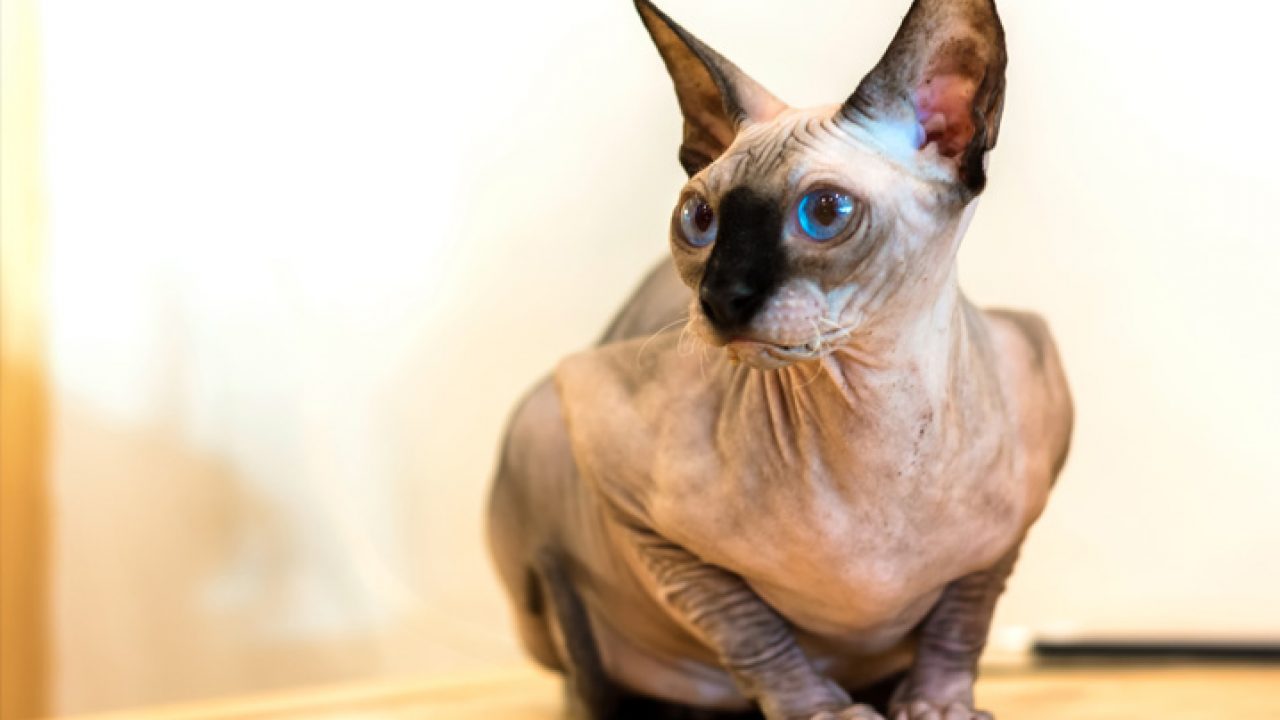
Cats spread Fel d 1 when they groom, and it sticks to fur, furniture and air. It is the cat’s saliva and skin, not the hair itself, that carries most of the allergen. This is why even hairless cats such as the Sphynx can trigger allergies.

Breeds often mentioned for allergy sufferers

  • Siberian: some owners report fewer symptoms, and some individuals produce less Fel d 1
  • Balinese: a longhaired Siamese type often mentioned in the same lists
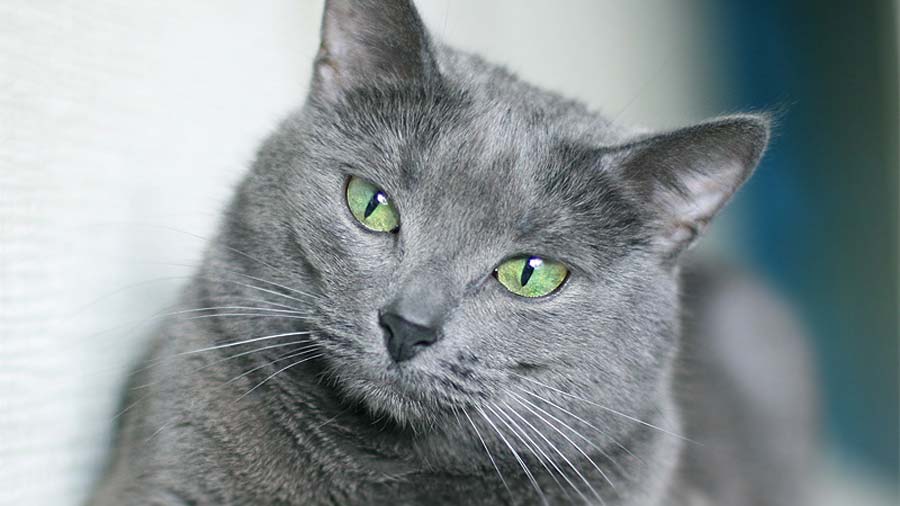
  • Russian Blue: often cited, though evidence is limited
  • Sphynx and Devon Rex: little fur, but they still produce allergen

Results vary a lot between individual cats, so breed alone is not a guarantee.

How to test before you commit

  1. Visit the cat several times, for an extended period.
  2. Spend time in the home or cattery where the cat lives.
  3. Talk with an allergist about testing and treatment options.

Ways to reduce allergens at home

  • Use a HEPA air purifier in main living areas
  • Keep the cat out of the bedroom
  • Wash bedding weekly in hot water
  • Vacuum with a HEPA filter and damp-dust surfaces
  • Wipe the cat with a pet-safe damp cloth, as advised by your vet
  • Wash your hands after petting

Allergy symptoms to watch for

Sneezing, itchy or watery eyes, a runny nose, skin rash and in some people wheezing. Seek medical advice if you experience breathing difficulty.

FAQ

Do hairless cats cause fewer allergies?

Not necessarily. They still produce Fel d 1 in saliva and skin.

Can I become allergic after years with a cat?

Yes, allergies can develop at any age, and they can also fade for some people.

Are female or neutered cats better for allergies?

Some studies suggest neutered males produce less allergen, but evidence is limited.

This guide is for general information only and is not a substitute for advice from a qualified veterinarian. If your pet seems unwell, contact your vet.

More Details
Oct 9, 2024
How Long Do Cats Live? Lifespan by Breed, Lifestyle and Care

Quick answer: Indoor cats commonly live 12 to 18 years, and some reach their early 20s. Outdoor cats often live fewer years because of traffic, disease and fights. Spaying or neutering, a healthy weight and regular vet care help cats live longer.

Typical lifespan by lifestyle

  • Indoor cats: commonly 12 to 18 years
  • Indoor and outdoor cats: often shorter because of added risks
  • Free-roaming cats: frequently much shorter

Typical lifespan by breed

These are general ranges. Individual cats vary.

  • Siamese: about 12 to 20 years
  • Russian Blue: about 15 to 20 years
  • Persian: about 10 to 17 years
  • Ragdoll: about 12 to 17 years
  • Maine Coon: about 10 to 15 years
  • Mixed-breed cats: about 12 to 16 years

What affects lifespan

  • Genetics: some breeds carry inherited conditions
  • Weight: obesity raises the risk of diabetes and joint disease
  • Dental health: dental disease is very common and affects the whole body
  • Vaccinations and parasite control
  • Spaying or neutering
  • Stress and enrichment

Life stages

  • Kitten: birth to 1 year
  • Young adult: 1 to 6 years
  • Mature: 7 to 10 years
  • Senior: 11 years and older

How to help your cat live longer

  1. Feed a balanced diet in measured portions.
  2. Schedule yearly vet exams, and twice a year for seniors.
  3. Brush teeth or ask your vet about dental care.
  4. Keep your cat active with play.
  5. Provide fresh water, a clean litter box and a safe home.

Signs of aging to watch

Weight loss, increased thirst, stiffness, bad breath or changes in litter box habits deserve a vet visit.

FAQ

What is the oldest cat ever?

Guinness World Records lists a cat named Creme Puff as living to 38 years, though verified extreme ages are rare.

How old is a 10-year-old cat in human years?

A 10-year-old cat is often compared to a person in their mid-50s, though the comparison is approximate.

Do female cats live longer than male cats?

Some studies suggest slightly longer lifespans for females, but care matters more than sex.

This guide is for general information only and is not a substitute for advice from a qualified veterinarian. If your pet seems unwell, contact your vet.

More Details
Jun 12, 2024
Why Do Cats Purr? Meanings, Science and When to Worry

Quick answer: Cats purr to communicate contentment, to bond, to ask for attention or food, and sometimes to soothe themselves when stressed, frightened or in pain. Purring is a vibration produced by the muscles of the larynx, at roughly 25 to 150 vibrations per second.

How purring works

Researchers believe a neural oscillator in the brain sends rapid signals to the muscles in the voice box. The muscles twitch and the vocal folds vibrate as the cat breathes in and out, which creates a continuous sound.

Why cats purr

  • Contentment: the most familiar reason, for example while being petted
  • Bonding: kittens purr from a few days old while nursing, and the habit continues with people
  • Requesting: some cats add a higher-pitched, urgent element when they want food
  • Self-soothing: cats may purr at the vet or when they are anxious
  • Pain or illness: purring can also happen when a cat is hurt

Does purring heal?

Some scientists have suggested that the frequency range of purring may support bone and tissue healing, but this is a hypothesis, not a proven treatment. Do not rely on purring as a sign that your cat is well.

How to read purring

Context matters. A relaxed body, soft eyes and kneading suggest contentment. A hunched posture, hiding, a lack of appetite or a purr that sounds strained suggest it is time for a vet visit.

Do all cats purr?

Domestic cats and some wild species, such as cheetahs, purr. Big cats such as lions roar instead because of differences in their larynx. Some domestic cats purr very quietly.

FAQ

Why does my cat purr when I pet them?

It is usually a sign of comfort and trust.

Why does my cat purr at the vet?

Many cats purr to calm themselves during stress.

Is a cat that never purrs unhealthy?

Not necessarily. Some cats purr quietly or rarely. Watch for other changes in behavior.

This guide is for general information only and is not a substitute for advice from a qualified veterinarian. If your pet seems unwell, contact your vet.

More Details
Feb 14, 2024
Best Exotic Pets for Beginners: 6 Low-Maintenance Options

Quick answer: For beginners, the most forgiving exotic pets are leopard geckos, corn snakes, bearded dragons, Chilean rose tarantulas, guinea pigs and budgerigars. All of them can live for years, so choose based on lifespan and daily care, not looks alone.

How we picked them

These animals are hardy, calm and well documented, and their care requirements are well understood by veterinarians and hobbyists. Prices vary, so compare local breeders and shelters, and ask for captive-bred animals.

1. Leopard gecko

  • Lifespan: about 15 to 20 years
  • Why it suits beginners: small, calm and active at dusk
  • Care notes: a warm side and a cool side, a humid hide and live insects

2. Corn snake

  • Lifespan: about 15 to 20 years
  • Why it suits beginners: docile, hardy and eats frozen-thawed mice
  • Care notes: a secure escape-proof tank and a thermostat on any heat source

3. Bearded dragon

  • Lifespan: often 8 to 12 years
  • Why it suits beginners: tolerant of handling and easy to read
  • Care notes: strong UVB lighting, a hot basking spot and a varied diet

4. Chilean rose tarantula

  • Lifespan: females commonly 15 to 20 years or more
  • Why it suits beginners: slow, quiet and docile
  • Care notes: a deep substrate, a water dish and minimal handling

5. Guinea pigs

  • Lifespan: about 5 to 7 years
  • Why it suits beginners: social, gentle and vocal
  • Care notes: keep them in pairs, offer unlimited hay and daily vitamin C

6. Budgerigar (parakeet)

  • Lifespan: commonly 5 to 10 years
  • Why it suits beginners: small, social and can learn to mimic sounds
  • Care notes: a spacious cage, daily time out, a varied diet and avian vet care

Costs to consider

Plan for the animal, the enclosure, heating and lighting, food, and emergency vet care. Reptile and exotic vets are less common than dog and cat vets, so find one before you buy.

Questions to ask yourself

  • Can I commit for the animal’s full lifespan?
  • Is it legal where I live?
  • Do I have a vet who treats this species?
  • Am I comfortable feeding live or frozen prey, if required?

FAQ

What is the easiest exotic pet to take care of?

Leopard geckos and corn snakes are commonly recommended because of their calm nature and hardiness.

Are exotic pets safe for children?

Reptiles can carry Salmonella, so always supervise and wash hands after contact. Guinea pigs and budgies are usually better for young children.

Where should I buy an exotic pet?

Choose a reputable breeder or rescue and avoid wild-caught animals.

This guide is for general information only and is not a substitute for advice from a qualified veterinarian. If your pet seems unwell, contact your vet.

More Details
Oct 18, 2023
Cat Body Language: What Your Cat’s Tail, Ears and Eyes Really Mean

Quick answer: A tail held high usually means a friendly, confident cat, flattened ears signal fear or irritation, and slow blinks are a sign of trust. Always read the whole body together, not one signal alone.

The tail

  • Upright, maybe with a curl at the tip: friendly and confident
  • Puffed up: frightened or startled
  • Low or tucked: anxious or unwell
  • Quick lashing: irritation or overstimulation
  • Wrapped around you: affection

The ears

Ears pointing forward show interest. Ears turned sideways like “airplane wings” often show nervousness or conflict. Ears pressed flat against the head signal fear or aggression, and the cat may be ready to defend itself.

The eyes

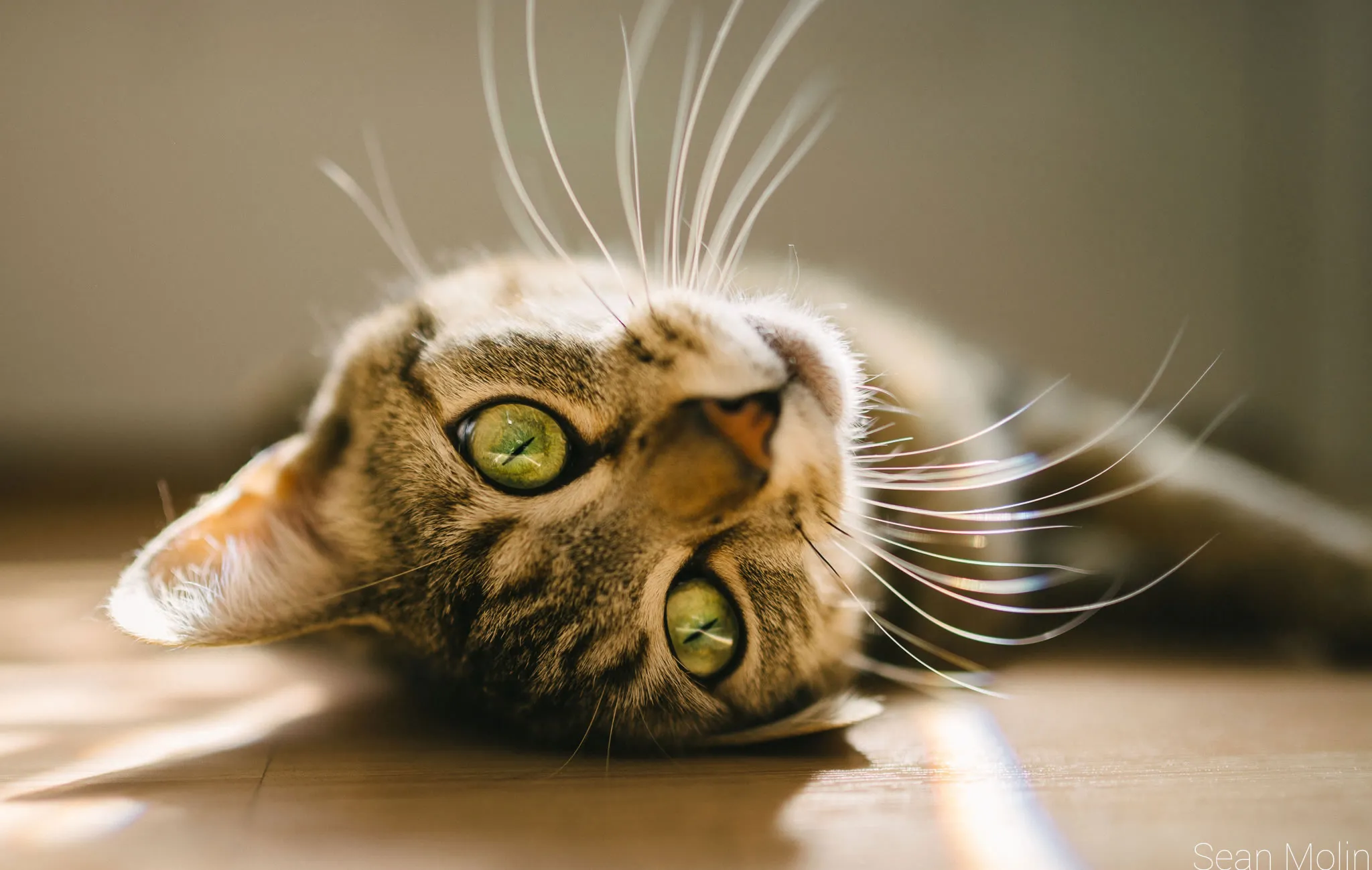
Wide, dilated pupils can mean excitement, fear or play, so check the context. A slow blink, where your cat half-closes their eyes, is often called a “cat kiss” and shows relaxation. You can slow blink back to build trust. A fixed, unblinking stare can be a challenge.

Body posture

  • Arched back with fur raised: defensive
  • Crouched with tail tucked: scared
  • Loaf position with paws tucked: relaxed
  • Exposed belly: trust, but not always an invitation to pet

Other common signals

Head bunting (rubbing their head on you) is a way of marking you with scent glands and showing friendship. Kneading is a comfort behavior that begins in kittenhood. Chattering at birds is often linked to hunting excitement.

Sounds

Meows are mostly for humans. Purring usually indicates contentment but can also happen when a cat is stressed or in pain. Hissing and growling are clear warnings, so give your cat space.

When body language suggests a health issue

Hiding, sudden aggression, a hunched posture, or a change in grooming or litter box habits can signal pain or illness. Contact your vet if the change lasts more than a day or two.

FAQ

Why does my cat wag their tail?

In cats, a fast wag usually means irritation or agitation, unlike in dogs.

Why does my cat show me their belly then bite?

Many cats show their belly to relax, but dislike being touched there. Watch for tension before petting.

What does a cat’s slow blink mean?

It is a sign of trust and comfort.

This guide is for general information only and is not a substitute for advice from a qualified veterinarian. If your pet seems unwell, contact your vet.
More Details