Jul 22, 2023
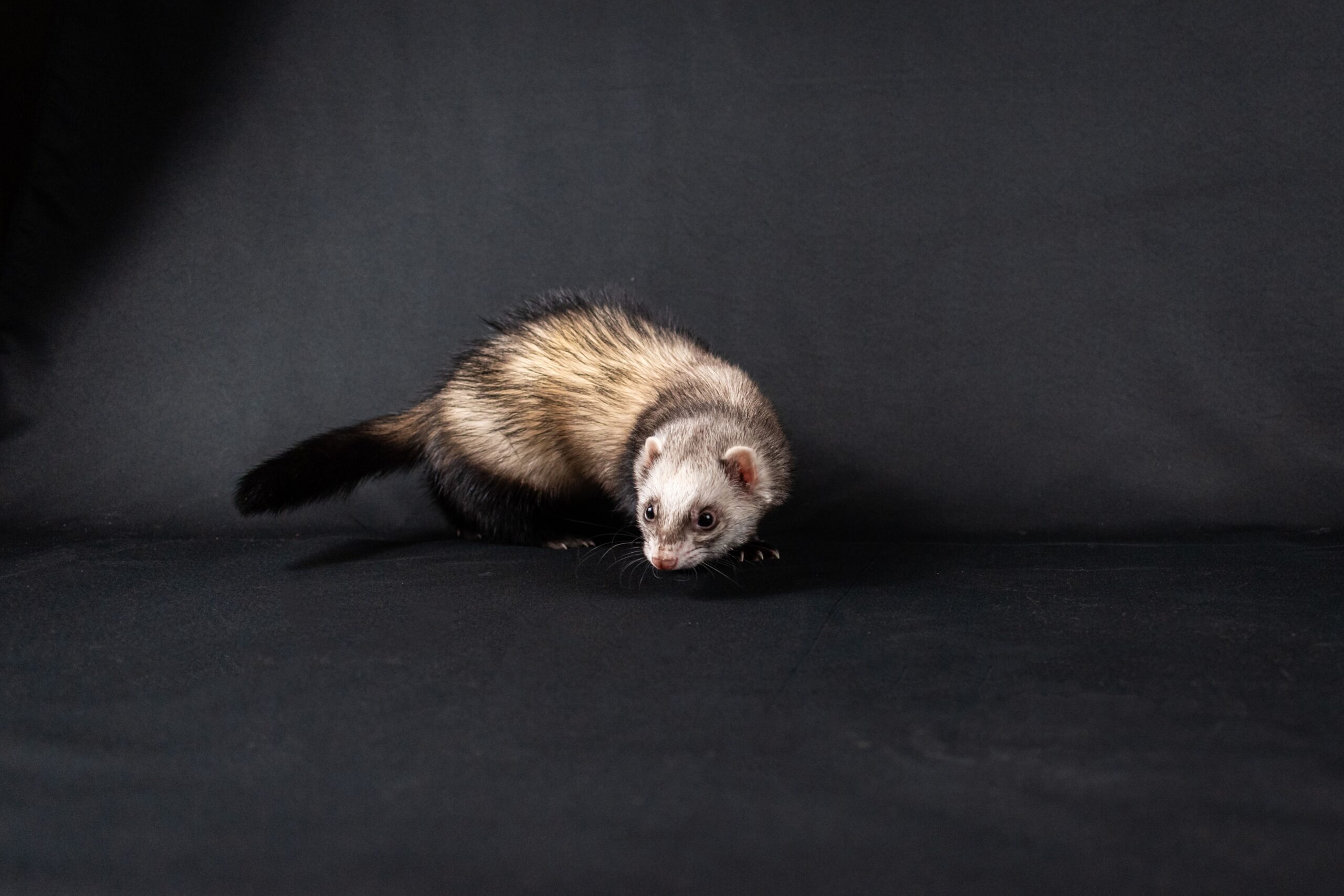
Ferrets as Pets: Personality, Diet and Care

Ferrets belong to the Mustelidae family and have been domesticated for centuries. They are energetic, mischievous animals that sleep a lot (12 to 18 hours a day) and then burst into play.

Quick facts

  • Lifespan: typically 5 to 8 years
  • Diet: strict carnivore, needs high-protein, high-fat food
  • Social: best kept in pairs or groups
  • Legal note: ferrets are restricted in some places, so check local rules

Housing and play

Choose a multi-level wire cage with solid flooring, a hammock, a litter box and hiding spots. Ferrets need several hours outside the cage daily in a ferret-proofed area. They squeeze into tiny gaps, so block holes, secure appliances and remove foam, rubber and small items they could swallow.

Diet

Ferrets are obligate carnivores with a short digestive tract. Feed a high-quality ferret or kitten food, high in animal protein and low in plant matter, or an appropriate raw or whole-prey diet under vet guidance. Avoid sugar, dairy and vegetables, which they cannot digest well.

Personality

They love tunnels, hiding objects and “dooking,” a soft chuckling sound of excitement. Ferrets can nip when young, so gentle training matters. Spending time playing builds a strong bond.

Health care

Ferrets need annual vet exams, vaccines (such as distemper and rabies where available) and dental care. Common problems include adrenal disease, insulinoma and gastrointestinal blockages from swallowed items. Their natural odor is mild, and bathing too often makes it worse.

Is a ferret right for you?

They are a fun pet if you can offer daily play and a ferret-savvy vet.

This guide is for general information only and is not a substitute for advice from a qualified veterinarian. If your pet seems unwell, contact your vet.
More Details
Jul 20, 2023
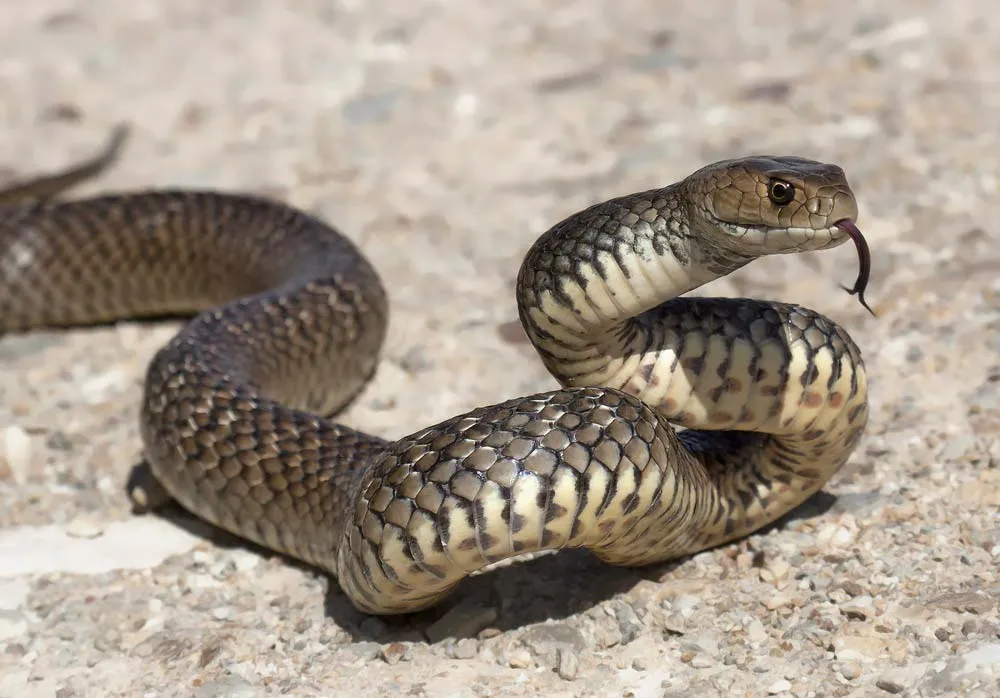
Pet Snakes: A Responsible Beginner Guide

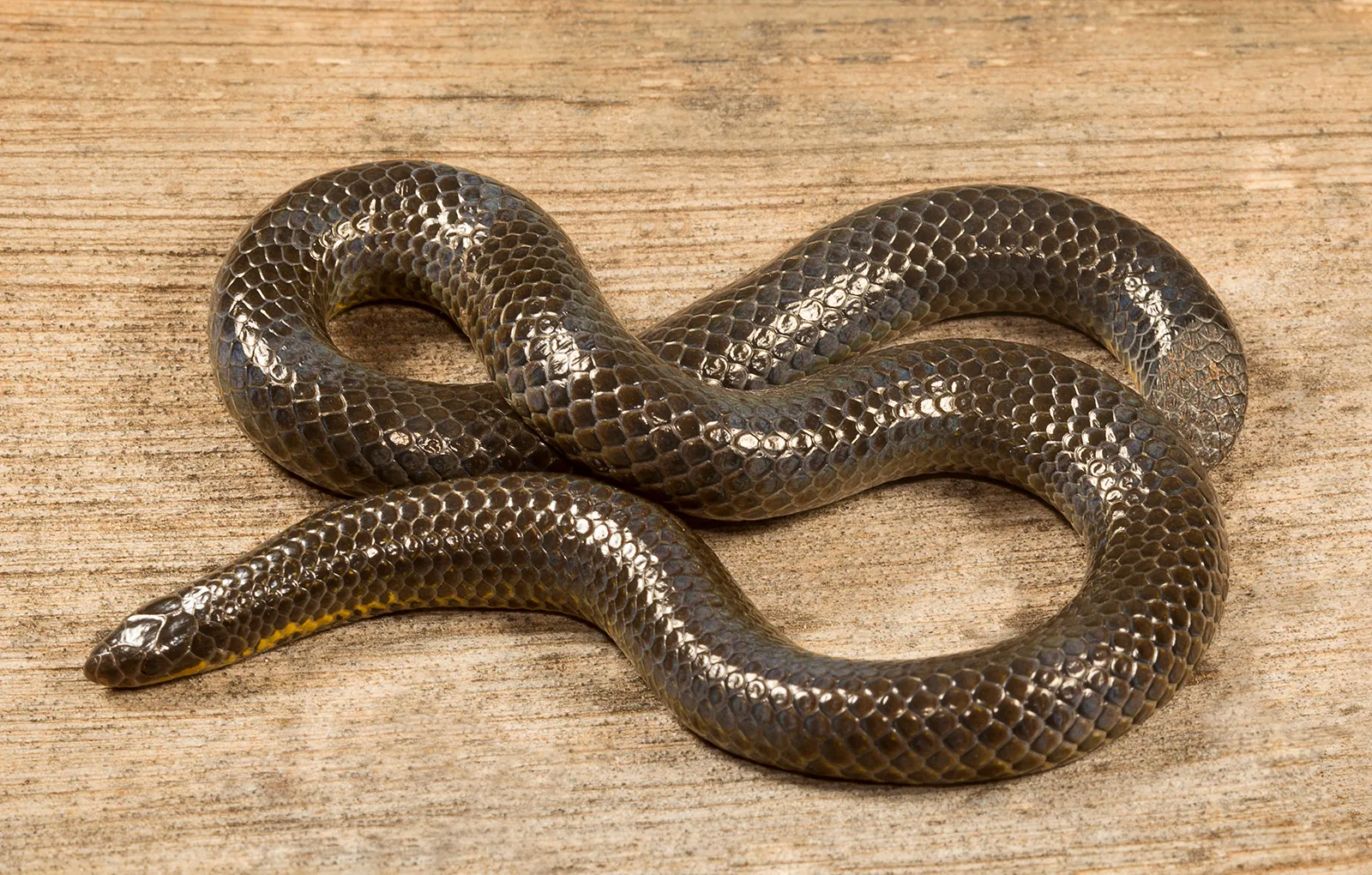
Snakes are fascinating reptiles that need very specific care. They are quiet and need little daily attention, but husbandry mistakes can cause serious illness.

Quick facts

  • Lifespan: often 15 to 30 years depending on species
  • Feeding: whole prey such as mice or rats, from every few days to every few weeks
  • Beginner species: corn snake, ball python, king snake
  • Handling: gentle and infrequent, never right after feeding

Choosing a species

Corn snakes are hardy and docile and a common first snake. Ball pythons are calm but can be picky eaters and need good humidity. Research adult size, because even a small hatchling may grow to over a meter (3 ft) or more.

Enclosure and temperature

Provide a secure, escape-proof enclosure with a warm side and a cool side so the snake can regulate its temperature, plus a hide on each side. Many species need a basking spot around 30 to 33°C (86 to 91°F) and a cooler end in the mid-20s °C (mid-70s °F). Use a thermostat for any heating device, and measure with a reliable thermometer.

Feeding

Feed frozen-thawed prey whenever possible, as live prey can injure the snake. Offer food roughly the size of the thickest part of the snake. Skip handling for 48 hours after a meal.

Shedding and health

Snakes shed their skin in one piece. Raise humidity slightly during shed. Retained shed, mites and respiratory infections are common problems; see an exotic-animal vet if you notice symptoms.

Safety

Wash your hands after contact, because reptiles can carry Salmonella. Always check local laws before buying.

This guide is for general information only and is not a substitute for advice from a qualified veterinarian. If your pet seems unwell, contact your vet.
More Details
Jul 20, 2023
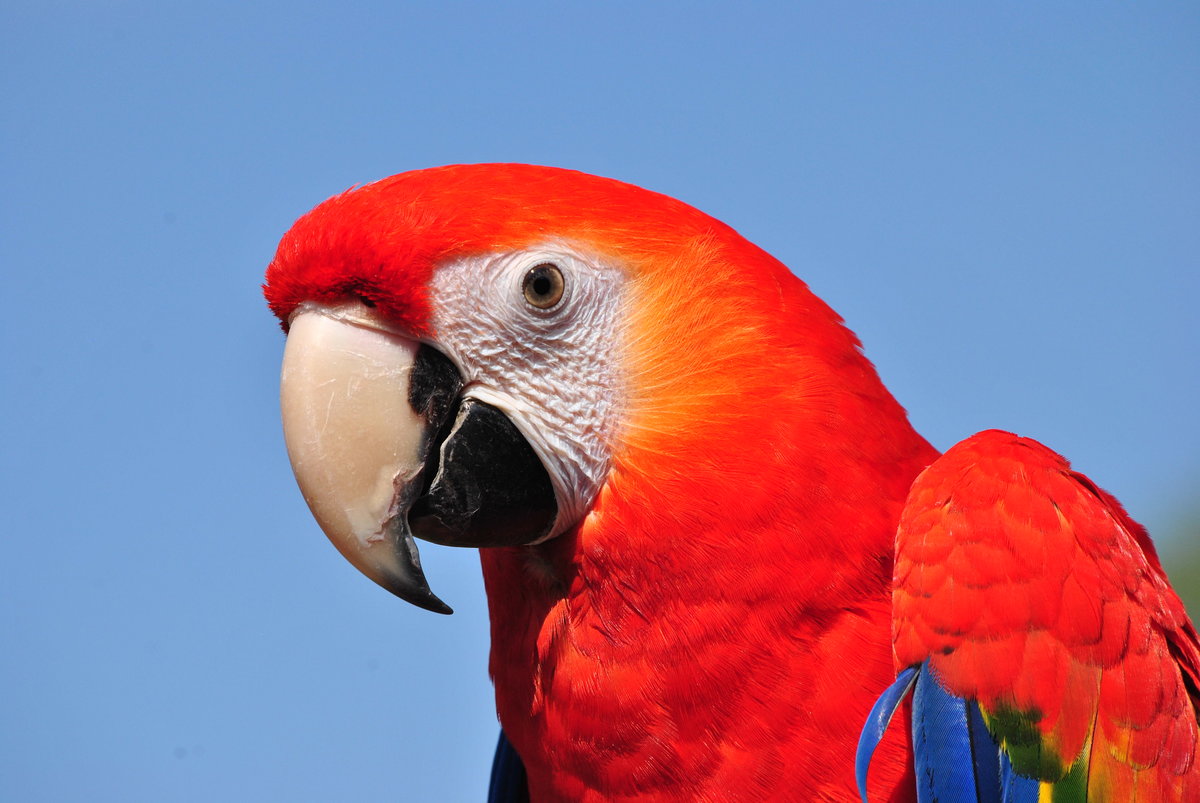
Parrots as Pets: Intelligence, Diet and Daily Needs

Parrots are among the most intelligent birds. They can learn words, solve puzzles and form deep bonds, but they can also live for decades and need constant engagement.

Quick facts

  • Lifespan: from about 15 years (small parakeets are shorter) to 60+ for large species
  • Diet: pellets, vegetables, some fruit, limited seeds
  • Social needs: hours of interaction daily
  • Noise: loud contact calls are normal

Cage and space

Choose the largest cage you can afford, with bar spacing suited to the species, plus daily time out of the cage for flying and climbing. Offer perches of different diameters, natural wood branches and safe toys to chew.

Diet

A seed-only diet is a common cause of poor health. Build the diet around quality pellets with fresh vegetables and some fruit. Avocado, chocolate, caffeine and alcohol are toxic to birds.

Mental stimulation

Parrots get bored easily, which can lead to screaming or feather plucking. Rotate toys, offer foraging puzzles and train with positive reinforcement. Talking ability varies by species and individual.

Health and safety

Non-stick cookware (PTFE) and aerosol fumes can be fatal to birds, so keep them away from the kitchen. Look for fluffed feathers, tail bobbing, or changes in droppings and see an avian vet promptly. Annual checks are wise.

Commitment

A parrot is a lifetime companion. Make sure you have the time, space and budget before you bring one home.

This guide is for general information only and is not a substitute for advice from a qualified veterinarian. If your pet seems unwell, contact your vet.

More Details
Jul 18, 2023
Pot-Bellied Pigs: Are They Right for You?

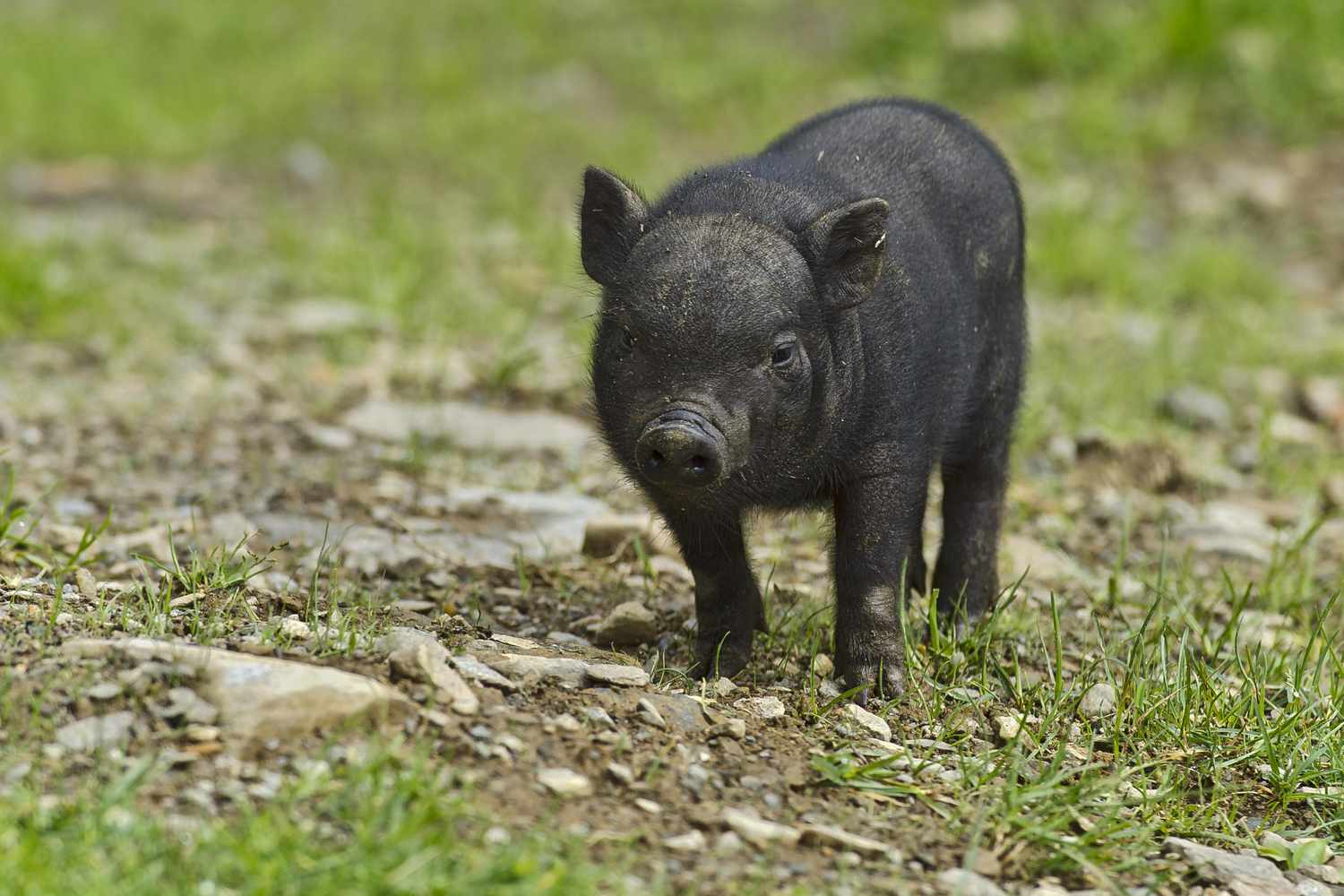
Vietnamese pot-bellied pigs are often marketed as “mini pigs,” but adults commonly weigh 30 to 70 kg (65 to 150 lb) or more. They are intelligent, social animals that need space and structure.

Quick facts

  • Lifespan: typically 12 to 18 years
  • Diet: pig-specific pellets plus vegetables, carefully portioned
  • Intelligence: comparable to dogs
  • Legal: zoning laws may forbid pigs, so check first

Housing

Pigs need a secure outdoor area to root and graze, and a warm, dry shelter. Indoors, they need their own space and sturdy flooring that provides traction. They can be trained to use a litter box.

Diet

Overfeeding is the most common error. Provide a measured portion of balanced pig pellets, plus vegetables, and limit treats. Fresh water must always be available.

Behavior

Pigs need enrichment and routine. They root, chew and can be destructive when bored. Positive reinforcement training works well.

Health

Find an experienced farm-animal or exotic vet. Hooves need trimming, tusks may need care, and skin should be protected from sunburn.

Before you commit

Pigs live a long time, grow large and need space. For the right household they are affectionate companions, but they are not suited to small apartments.

This guide is for general information only and is not a substitute for advice from a qualified veterinarian. If your pet seems unwell, contact your vet.
More Details
Jul 14, 2023
African Pygmy Hedgehogs as Pets

African pygmy hedgehogs are solitary, nocturnal animals that curl into a ball when scared.

Quick facts

  • Lifespan: about 4 to 6 years
  • Activity: night; sleeps through the day
  • Diet: insectivore; high-protein, low-fat cat food or hedgehog kibble plus insects
  • Legal: illegal in some places, so check

Housing

Provide a large, solid-floor cage with a hide and a wheel that has a solid running surface. Keep it at 22 to 26°C (72 to 79°F); cooler temperatures can trigger dangerous hibernation attempts.

Handling

Hedgehogs can be shy. Offer a scent cloth and handle them gently each day. Quilling (shedding spines) is normal in young hedgehogs.

Health

Common concerns are obesity, mites, dental disease and wobbly hedgehog syndrome. Find an exotic vet.

Conclusion

Hedgehogs are low-noise pets, though they do not always enjoy being cuddled. Patience pays off.

This guide is for general information only and is not a substitute for advice from a qualified veterinarian. If your pet seems unwell, contact your vet.
More Details
Jul 10, 2023
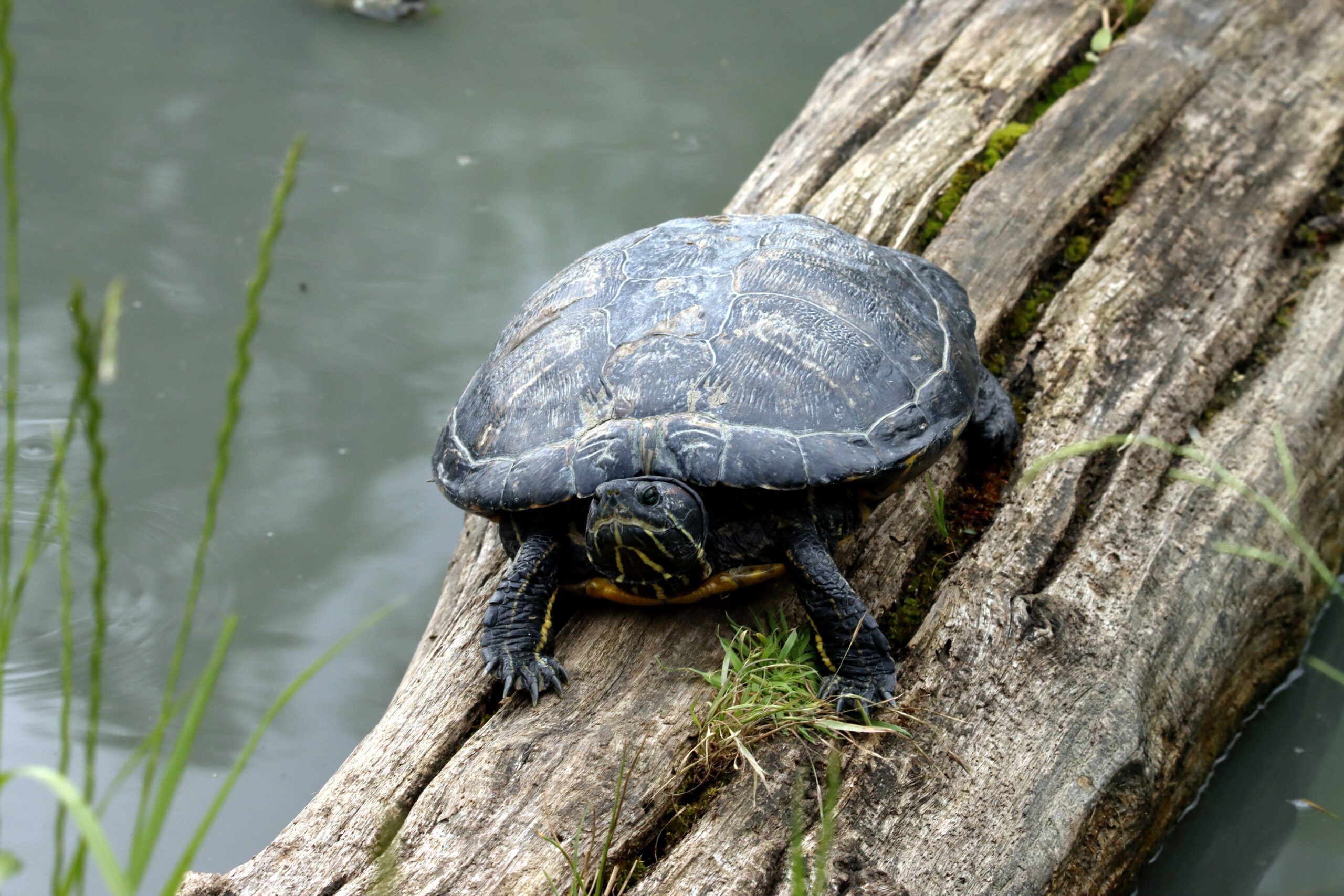
Aquatic Turtles as Pets: Lifespan and Care

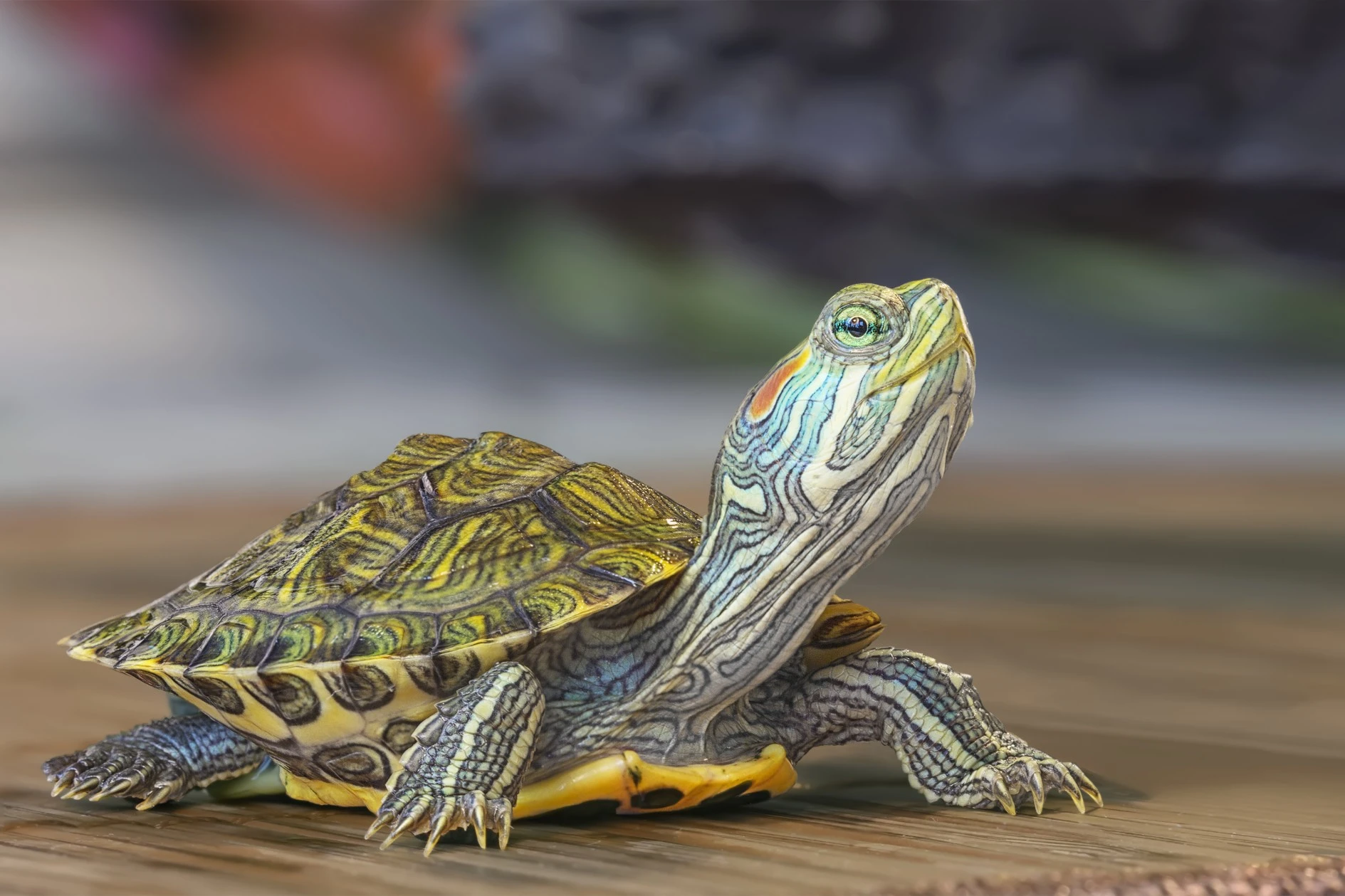
Aquatic turtles such as red-eared sliders can live 20 to 40 years, so adopting one is a long-term decision.

Quick facts

  • Adult size: 20 to 30 cm (8 to 12 in) for sliders
  • Lifespan: commonly 20 to 40 years
  • Diet: omnivore, pellets, greens and protein
  • Tank: 75 to 190 liters (20 to 50 gallons) or more

Habitat

Provide deep water for swimming, a dry basking platform, a heater (water about 24 to 26°C / 75 to 79°F) and strong filtration. A basking lamp and UVB tube let the turtle absorb calcium. Clean the water regularly.

Feeding

Young turtles eat more protein, adults more plants. Offer pellets, aquatic plants, leafy greens and occasional insects or fish.

Health

Shell rot, vitamin A deficiency and respiratory infections are common. Wash hands after contact because turtles carry Salmonella.

Responsibility

Never release pet turtles into the wild. Check local laws and plan for the animal’s whole life.

This guide is for general information only and is not a substitute for advice from a qualified veterinarian. If your pet seems unwell, contact your vet.

More Details