Jul 20, 2023
Pet Snakes: A Responsible Beginner Guide
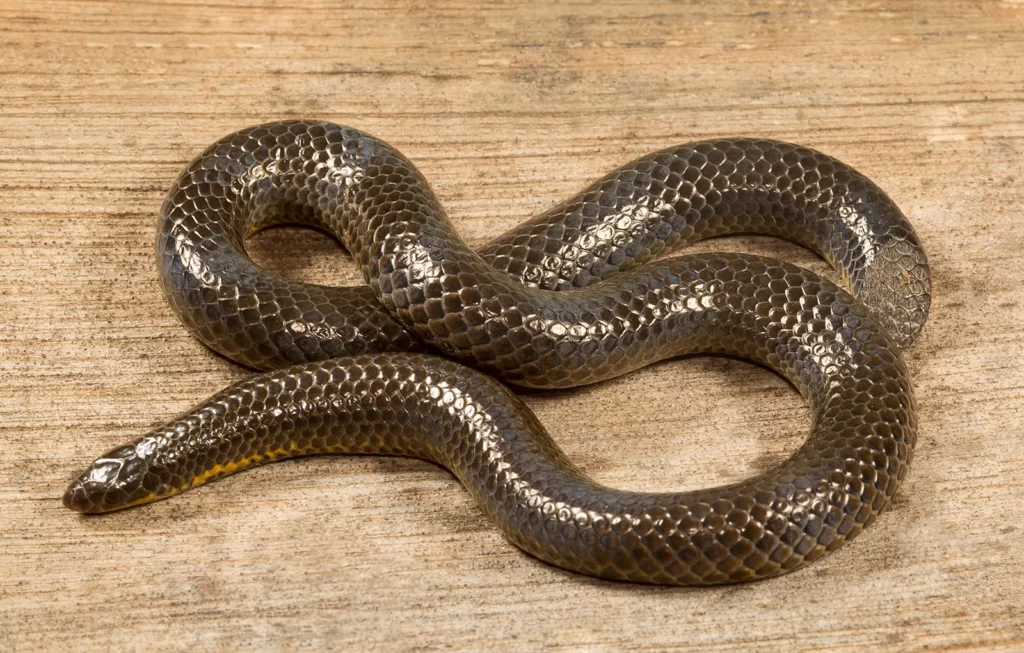
Snakes are fascinating reptiles that need very specific care. They are quiet and need little daily attention, but husbandry mistakes can cause serious illness.
Quick facts
- Lifespan: often 15 to 30 years depending on species
- Feeding: whole prey such as mice or rats, from every few days to every few weeks
- Beginner species: corn snake, ball python, king snake
- Handling: gentle and infrequent, never right after feeding
Choosing a species
Corn snakes are hardy and docile and a common first snake. Ball pythons are calm but can be picky eaters and need good humidity. Research adult size, because even a small hatchling may grow to over a meter (3 ft) or more.
Enclosure and temperature
Provide a secure, escape-proof enclosure with a warm side and a cool side so the snake can regulate its temperature, plus a hide on each side. Many species need a basking spot around 30 to 33°C (86 to 91°F) and a cooler end in the mid-20s °C (mid-70s °F). Use a thermostat for any heating device, and measure with a reliable thermometer.
Feeding
Feed frozen-thawed prey whenever possible, as live prey can injure the snake. Offer food roughly the size of the thickest part of the snake. Skip handling for 48 hours after a meal.
Shedding and health
Snakes shed their skin in one piece. Raise humidity slightly during shed. Retained shed, mites and respiratory infections are common problems; see an exotic-animal vet if you notice symptoms.
Safety
Wash your hands after contact, because reptiles can carry Salmonella. Always check local laws before buying.
This guide is for general information only and is not a substitute for advice from a qualified veterinarian. If your pet seems unwell, contact your vet.