Jul 18, 2023
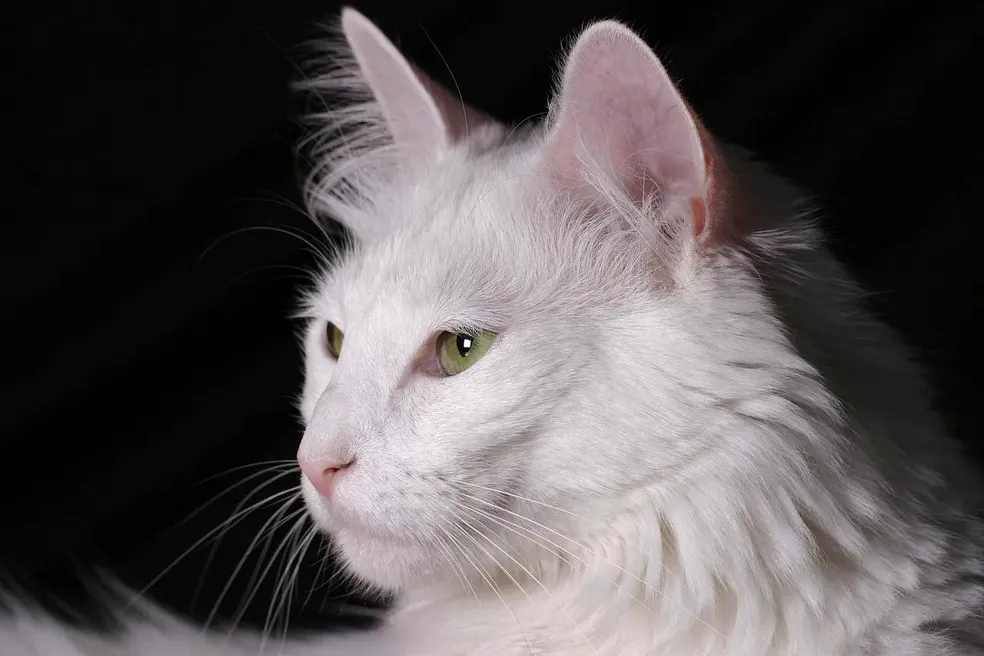
Why Do Cats Have Whiskers?

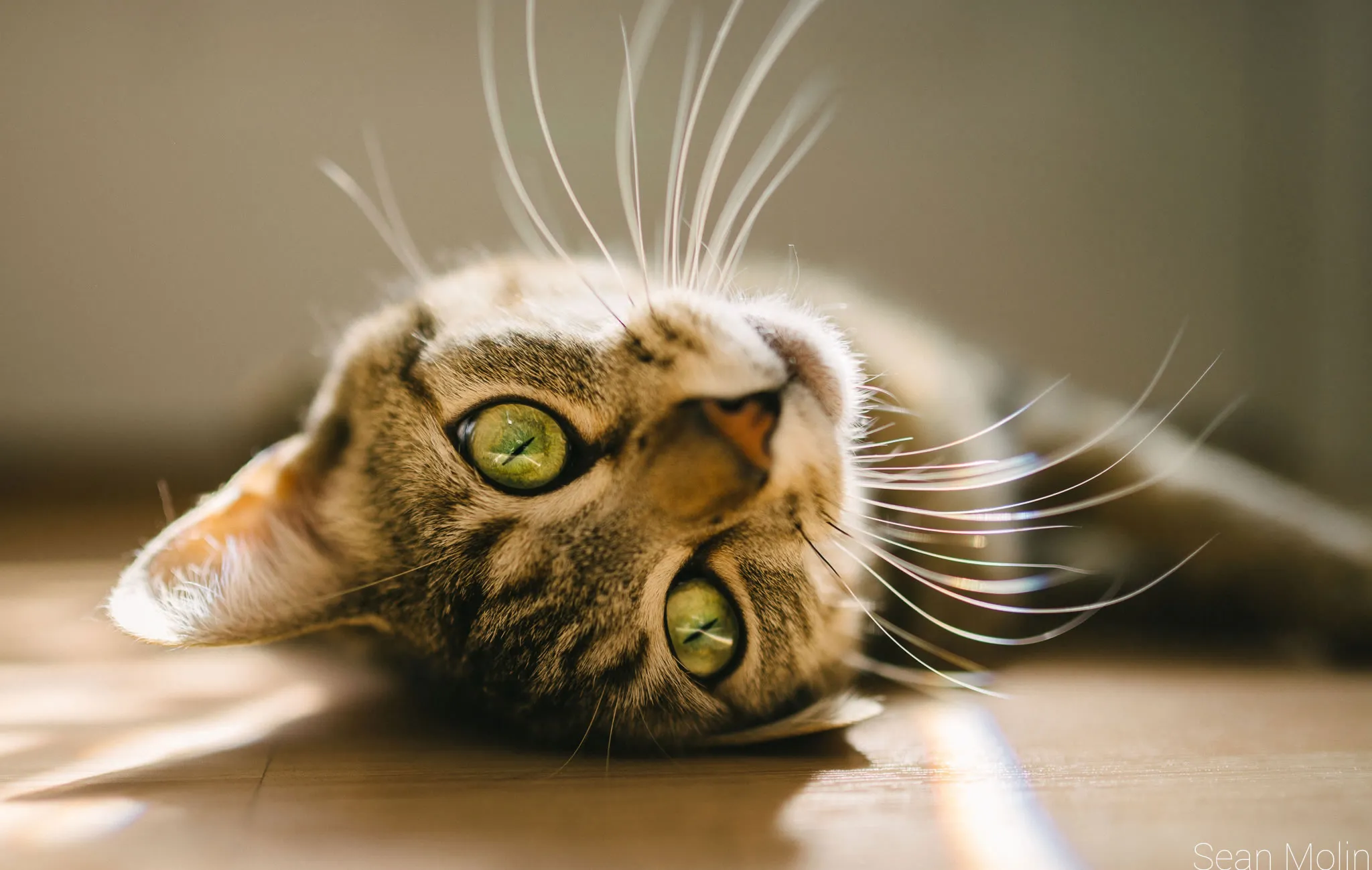
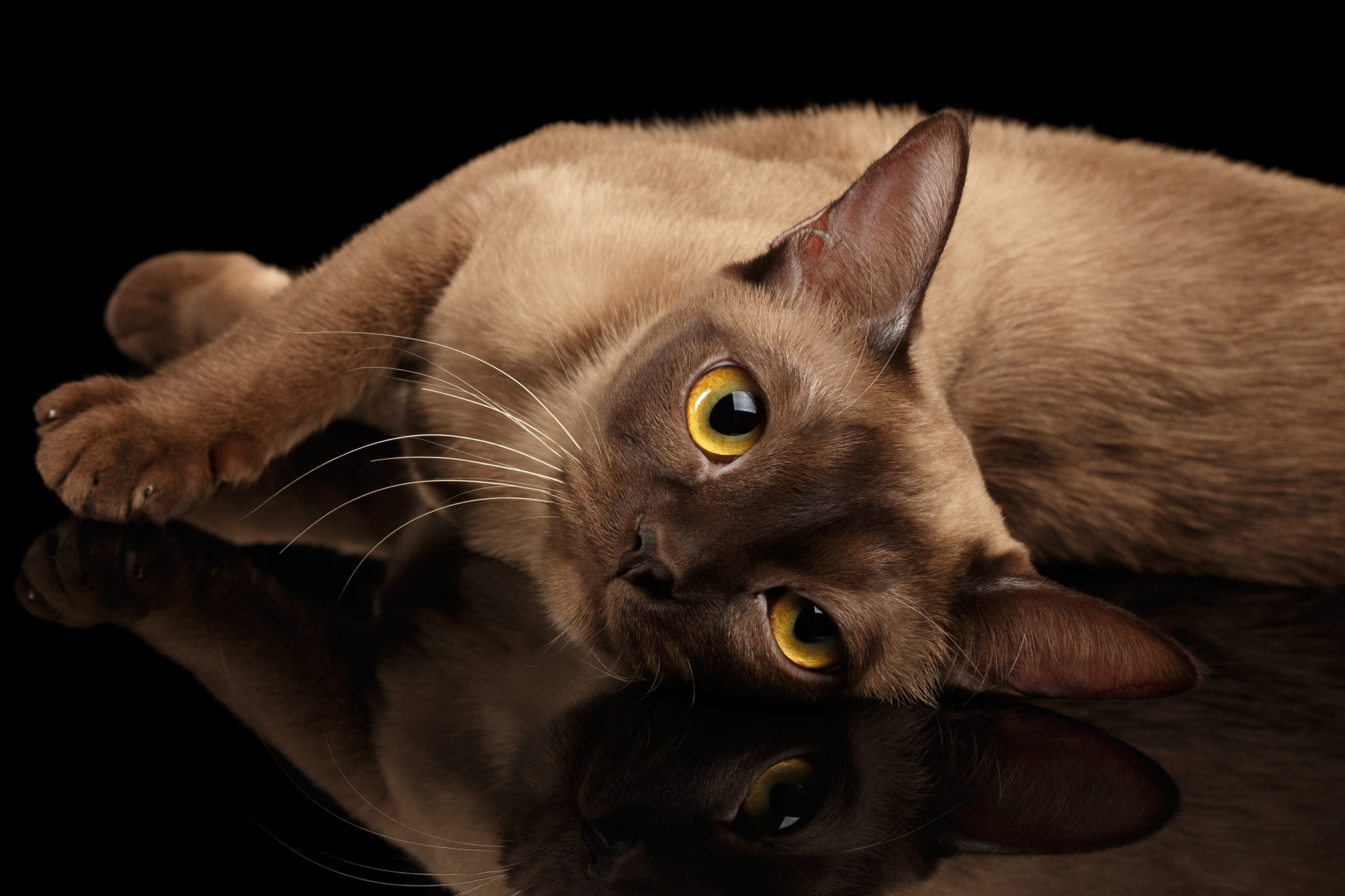
A cat’s whiskers (vibrissae) are thick, deeply rooted hairs packed with nerves.

What whiskers do

  • Sense the environment: they detect air currents and nearby objects
  • Help judge spaces: they are about as wide as the cat’s body
  • Aid hunting: they sense prey movement at close range
  • Protect the eyes: they trigger a blink reflex

Whisker fatigue

Some owners believe deep or narrow bowls overstimulate whiskers. This is not proven, but a wide, shallow dish does no harm if your cat seems to dislike its bowl.

Mood clues

Whiskers pushed forward often show curiosity or excitement. Pulled back against the face can show fear or aggression.

Care

Never trim or pull whiskers. They fall out naturally and regrow. If they break off in large numbers, ask your vet.

This guide is for general information only and is not a substitute for advice from a qualified veterinarian. If your pet seems unwell, contact your vet.

More Details
Jul 18, 2023
Why Do Dogs Howl at Music?

Howling is an ancient form of communication inherited from wolves, used to locate packmates and mark territory.

Possible reasons

  • Communication: certain pitches resemble howls, triggering a response
  • Sensitive hearing: dogs hear higher frequencies than people
  • Attention: if howling earns praise, dogs repeat it
  • Joy or discomfort: some dogs respond emotionally, some find sounds irritating

Breeds that howl often

Huskies, hounds and beagles are particularly vocal.

When to worry

If your dog seems distressed, tries to hide or shakes, lower the volume. Sudden new howling can signal pain or anxiety, so consult a vet.

Tip

Reward calm behavior and keep music at a comfortable level.

This guide is for general information only and is not a substitute for advice from a qualified veterinarian. If your pet seems unwell, contact your vet.

More Details
Jul 18, 2023
Do Dogs Go Through Menopause?

Dogs do not experience menopause. Female dogs can go into heat and could technically become pregnant throughout life, although fertility declines and the risks rise with age.

What actually happens

  • Heat cycles continue about every six to twelve months, and can become irregular
  • Fertility drops but does not stop completely
  • Hormone changes can lead to health issues

Health risks in older unspayed females

  • Pyometra: a serious uterine infection that needs emergency care
  • Mammary tumors: more common without early spaying
  • Pregnancy complications in older dogs

Spaying

Spaying prevents pyometra and greatly reduces mammary cancer risk. Ask your vet about the best timing for your dog.

Signs to see a vet

Excessive thirst, discharge, loss of appetite or lethargy after a heat cycle need prompt attention.

This guide is for general information only and is not a substitute for advice from a qualified veterinarian. If your pet seems unwell, contact your vet.

More Details

Jul 18, 2023
Do Mice Really Love Cheese?

The image of a mouse nibbling cheese comes from cartoons and folklore. In reality, mice are omnivores that prefer foods rich in carbohydrates, sugar and fat.

What mice actually like

  • Grains, seeds and nuts
  • Sweet foods such as fruit
  • Peanut butter, which is why it works as bait

Why the cheese myth exists

Cheese was once stored in barns where mice lived, so they were seen near it. Strong-smelling cheese is not a favorite food for most mice.

Tips for pet mice

Feed a balanced rodent mix and avoid too much cheese or sugary treats, which can cause obesity.

Pest control note

If you have wild mice, seal entry holes, store food securely and use humane or professional control.

This guide is for general information only and is not a substitute for advice from a qualified veterinarian. If your pet seems unwell, contact your vet.

More Details
Jul 17, 2023
Burmese Cats: Affectionate and People-Focused

The Burmese traces its roots to a cat called Wong Mau brought from Burma to the United States in the 1930s. Today it is loved for its satin coat and sociable nature.

Quick facts

  • Weight: about 3.5 to 5.5 kg (8 to 12 lb), heavier than they look
  • Lifespan: commonly 12 to 16 years
  • Coat: short, glossy, close-lying
  • Energy: moderate to high

Appearance

Burmese cats have a rounded head, expressive golden eyes and a compact, muscular body. Colors include sable, champagne, blue and platinum.

Personality

They are affectionate, talkative in a soft voice and love being with people. They enjoy play well into adulthood and tolerate other pets. Expect a “shadow” that follows you around.

Care

Brush weekly, maintain dental hygiene and give plenty of play. Do not leave a Burmese alone for long periods.

Health

Possible issues include diabetes mellitus, dental disease and some inherited conditions. Choose breeders who test and keep your cat at a healthy weight.

Final thoughts

A Burmese suits a home where someone is around and ready to play.

This guide is for general information only and is not a substitute for advice from a qualified veterinarian. If your pet seems unwell, contact your vet.

More Details

Jul 17, 2023
Why Do Pets Eat Feces?

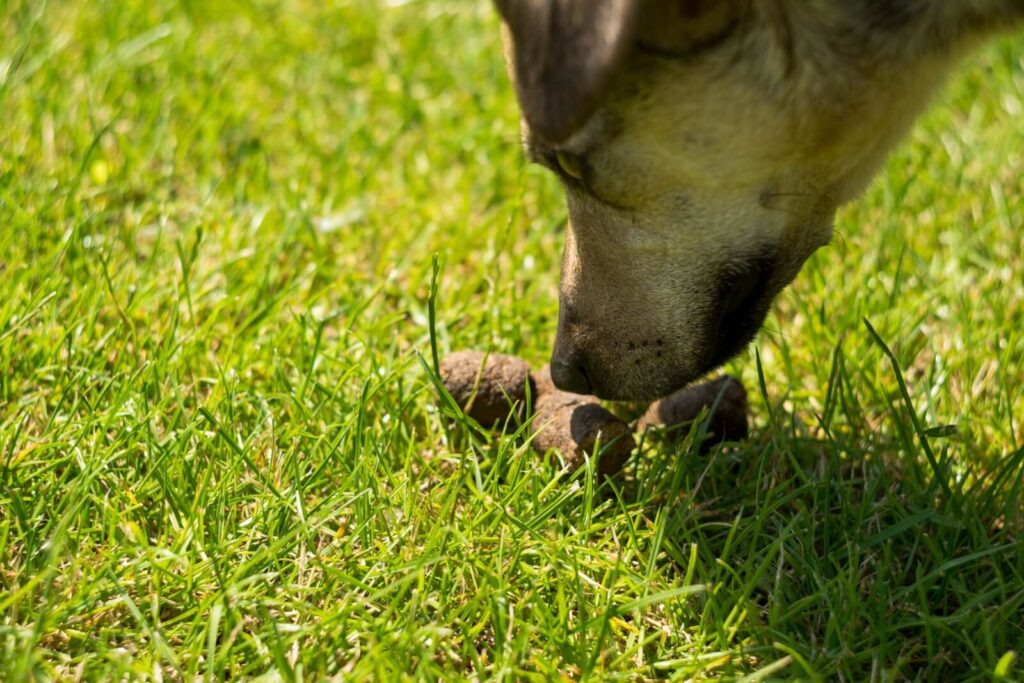
Eating feces, known as coprophagia, is a behavior that worries many pet owners, but it has several explanations.

Normal in some species

Rabbits produce soft cecotropes that they eat directly to absorb nutrients. This is normal and healthy. Mother dogs also clean their puppies by ingesting waste.

Reasons in dogs

  • Medical: nutritional deficiencies, parasites, malabsorption or enzyme problems
  • Behavioral: boredom, anxiety, attention seeking, or fear of punishment
  • Instinct: puppies explore with their mouths

How to reduce it

  • Pick up waste promptly
  • Check diet quality with your vet and run a fecal test
  • Provide exercise, toys and training
  • Use positive reinforcement with a “leave it” cue

When to see a vet

Sudden onset, weight loss or digestive upset should be checked. Avoid punishment, which can make the habit worse.

This guide is for general information only and is not a substitute for advice from a qualified veterinarian. If your pet seems unwell, contact your vet.

More Details
Jul 17, 2023
Creative and Exotic Pet Name Ideas

A name is the first gift you give your pet. Here are ideas to inspire you.

Tips for choosing

  • Pick something short, one or two syllables, which is easier to learn
  • Avoid names that sound like commands, such as “Kit” or “Fetch”
  • Say it aloud in a calm voice and in a call across the yard

Nature-inspired

Willow, Juniper, Basil, Maple, River, Ember, Storm

Food-inspired

Mocha, Pepper, Biscuit, Olive, Waffle, Noodle, Cinnamon

Mythology and legend

Atlas, Luna, Phoenix, Odin, Athena, Zeus, Freya

Places

Sahara, Bali, Rio, Denver, Sienna, Kyoto, Tahoe

For exotic pets

Reptiles: Draco, Rex, Mojave. Birds: Kiwi, Sky, Mango. Small mammals: Pip, Nutmeg, Clover.

Final tip

Give yourself a week to try a name before deciding. Your pet will tell you which feels right.

This guide is for general information only and is not a substitute for advice from a qualified veterinarian. If your pet seems unwell, contact your vet.

More Details

Jul 17, 2023
Animals That Lay Eggs: More Than Just Birds

Egg-laying, or oviparity, is widespread in nature.

Birds

All birds lay eggs, from tiny hummingbirds to ostriches. Many build nests and incubate their eggs with body heat.

Reptiles

Most snakes, lizards, turtles and crocodiles lay eggs. Some snakes keep eggs inside the body and give birth to live young.

Amphibians and fish

Frogs lay jelly-like eggs in water, and many fish scatter eggs or guard nests. Sharks vary: some lay leathery egg cases known as “mermaid’s purses.”

Insects

Butterflies, bees and beetles lay eggs on specific plants or in nests.

Mammals that lay eggs

The platypus and echidnas, collectively called monotremes, are the only mammals that lay eggs. They feed their young with milk afterwards.

Why it matters

Different egg-laying strategies reflect adaptation to environment and offer clues to evolution.

This guide is for general information only and is not a substitute for advice from a qualified veterinarian. If your pet seems unwell, contact your vet.

More Details

Jul 14, 2023
African Pygmy Hedgehogs as Pets

African pygmy hedgehogs are solitary, nocturnal animals that curl into a ball when scared.

Quick facts

  • Lifespan: about 4 to 6 years
  • Activity: night; sleeps through the day
  • Diet: insectivore; high-protein, low-fat cat food or hedgehog kibble plus insects
  • Legal: illegal in some places, so check

Housing

Provide a large, solid-floor cage with a hide and a wheel that has a solid running surface. Keep it at 22 to 26°C (72 to 79°F); cooler temperatures can trigger dangerous hibernation attempts.

Handling

Hedgehogs can be shy. Offer a scent cloth and handle them gently each day. Quilling (shedding spines) is normal in young hedgehogs.

Health

Common concerns are obesity, mites, dental disease and wobbly hedgehog syndrome. Find an exotic vet.

Conclusion

Hedgehogs are low-noise pets, though they do not always enjoy being cuddled. Patience pays off.

This guide is for general information only and is not a substitute for advice from a qualified veterinarian. If your pet seems unwell, contact your vet.

More Details
Jul 12, 2023
Siamese Cats: Elegance, Voice and Personality

The Siamese is one of the oldest cat breeds from Thailand (formerly Siam). It is famous for blue almond-shaped eyes and a cream coat with dark points.

Quick facts

  • Weight: about 3 to 5.5 kg (6.5 to 12 lb)
  • Lifespan: often 12 to 20 years
  • Coat: short, fine, pointed
  • Vocal: very

Appearance

Siamese cats have long limbs, a wedge-shaped head and large ears. Point colors include seal, chocolate, blue and lilac.

Personality

Siamese are highly social and talkative. They want to be near you, can follow you around, and may be unhappy alone for many hours. They are intelligent and can learn tricks.

Care

Brush weekly, keep teeth clean and give lots of mental stimulation.

Health

Concerns may include dental disease, respiratory problems and progressive retinal atrophy. Choose a breeder who tests.

Conclusion

Siamese cats suit people who enjoy conversation and constant company.

This guide is for general information only and is not a substitute for advice from a qualified veterinarian. If your pet seems unwell, contact your vet.

More Details