Jul 21, 2023
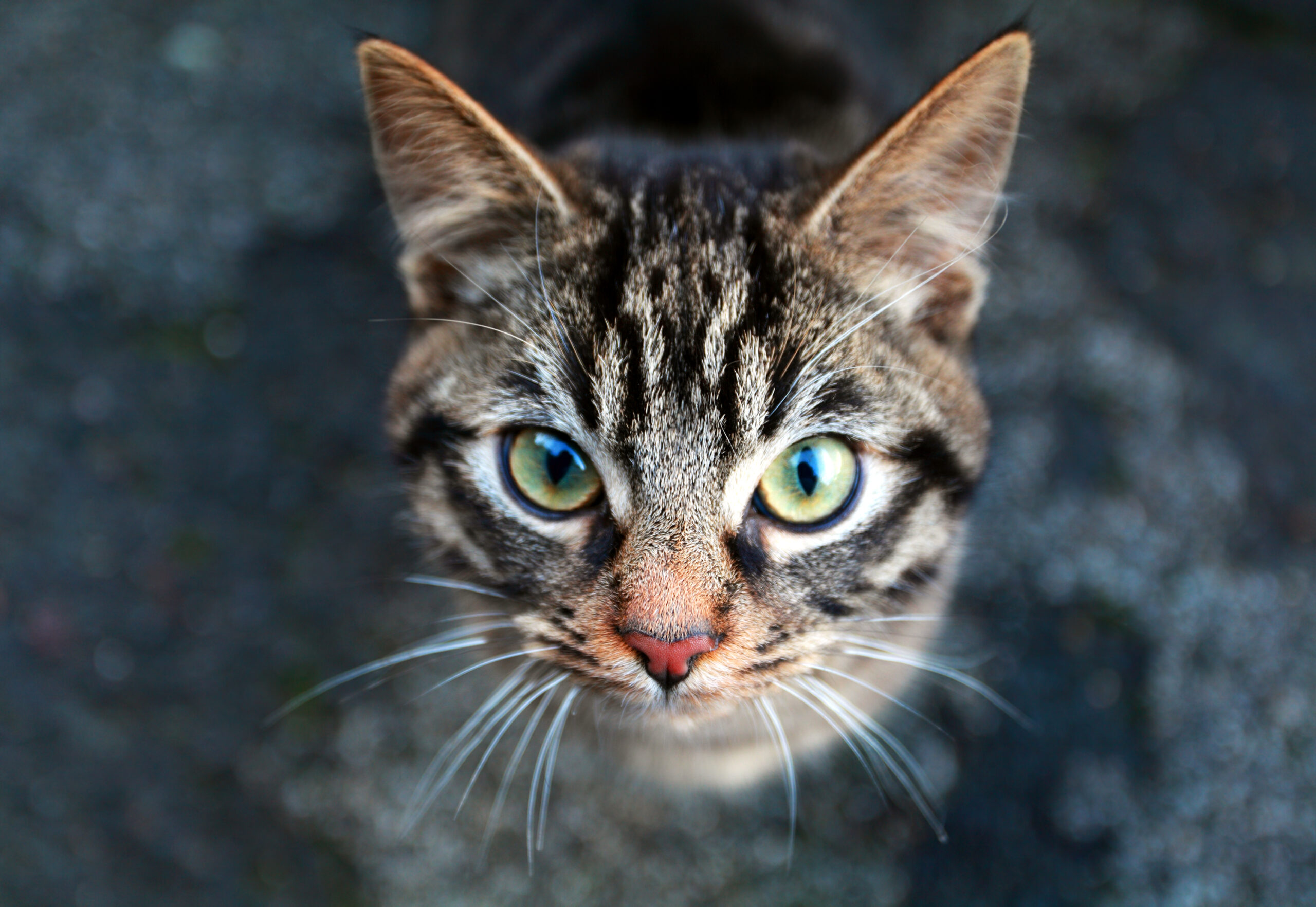
Ragdoll Cats: Gentle Giants of the Cat World

The Ragdoll was developed in California in the 1960s and is famous for going limp when picked up, which inspired its name. It is a large, semi-longhaired cat with blue eyes and a soft, quiet personality.

Quick facts

  • Weight: about 4.5 to 9 kg (10 to 20 lb)
  • Lifespan: commonly 12 to 17 years
  • Coat: semi-long, silky, colorpoint patterns
  • Maturity: slow, reaching full size at about 3 to 4 years

Appearance

Ragdolls have a broad chest, a plush tail and a pointed pattern in colors such as seal, blue, chocolate and lilac, with variations like mitted, bicolor and lynx. Their eyes are blue.

Temperament

They are known for being relaxed and affectionate. Many follow their owners from room to room and enjoy being held. They are generally good with children and other pets, but because they are so trusting they should live indoors.

Grooming

The coat mats less than many longhaired breeds, but brush two or three times a week and daily during shedding. Trim nails and brush teeth regularly.

Health

Ragdolls can be prone to hypertrophic cardiomyopathy and bladder stones. Ask the breeder for heart screening and keep your cat active and lean.

Final thoughts

If you want a calm, cuddly companion and have room for a big cat, the Ragdoll is a wonderful choice.

This guide is for general information only and is not a substitute for advice from a qualified veterinarian. If your pet seems unwell, contact your vet.
More Details
Jul 20, 2023
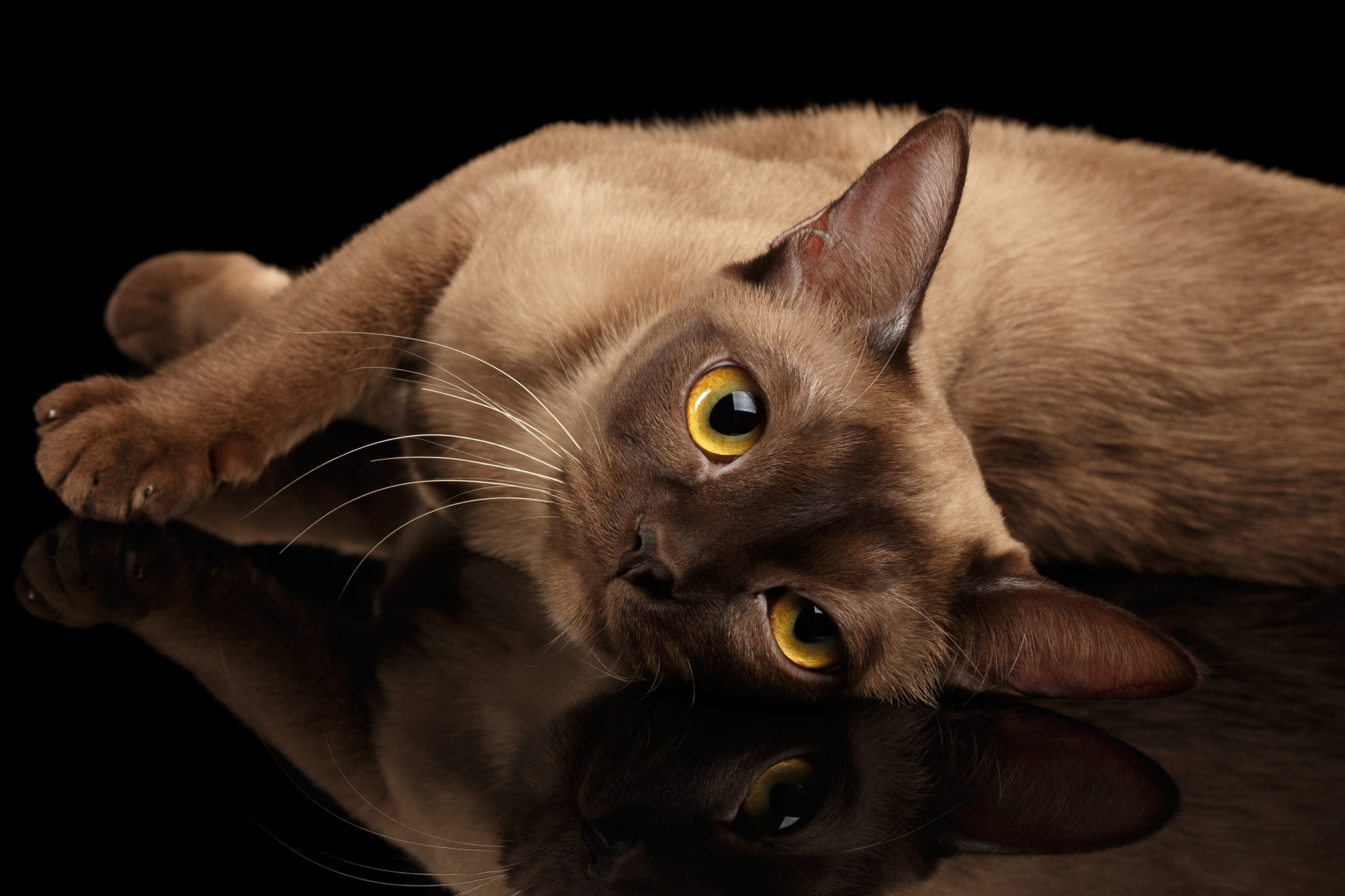
Pet Snakes: A Responsible Beginner Guide

Snakes are fascinating reptiles that need very specific care. They are quiet and need little daily attention, but husbandry mistakes can cause serious illness.

Quick facts

  • Lifespan: often 15 to 30 years depending on species
  • Feeding: whole prey such as mice or rats, from every few days to every few weeks
  • Beginner species: corn snake, ball python, king snake
  • Handling: gentle and infrequent, never right after feeding

Choosing a species

Corn snakes are hardy and docile and a common first snake. Ball pythons are calm but can be picky eaters and need good humidity. Research adult size, because even a small hatchling may grow to over a meter (3 ft) or more.

Enclosure and temperature

Provide a secure, escape-proof enclosure with a warm side and a cool side so the snake can regulate its temperature, plus a hide on each side. Many species need a basking spot around 30 to 33°C (86 to 91°F) and a cooler end in the mid-20s °C (mid-70s °F). Use a thermostat for any heating device, and measure with a reliable thermometer.

Feeding

Feed frozen-thawed prey whenever possible, as live prey can injure the snake. Offer food roughly the size of the thickest part of the snake. Skip handling for 48 hours after a meal.

Shedding and health

Snakes shed their skin in one piece. Raise humidity slightly during shed. Retained shed, mites and respiratory infections are common problems; see an exotic-animal vet if you notice symptoms.

Safety

Wash your hands after contact, because reptiles can carry Salmonella. Always check local laws before buying.

This guide is for general information only and is not a substitute for advice from a qualified veterinarian. If your pet seems unwell, contact your vet.
More Details
Jul 20, 2023
Parrots as Pets: Intelligence, Diet and Daily Needs

Parrots are among the most intelligent birds. They can learn words, solve puzzles and form deep bonds, but they can also live for decades and need constant engagement.

Quick facts

  • Lifespan: from about 15 years (small parakeets are shorter) to 60+ for large species
  • Diet: pellets, vegetables, some fruit, limited seeds
  • Social needs: hours of interaction daily
  • Noise: loud contact calls are normal

Cage and space

Choose the largest cage you can afford, with bar spacing suited to the species, plus daily time out of the cage for flying and climbing. Offer perches of different diameters, natural wood branches and safe toys to chew.

Diet

A seed-only diet is a common cause of poor health. Build the diet around quality pellets with fresh vegetables and some fruit. Avocado, chocolate, caffeine and alcohol are toxic to birds.

Mental stimulation

Parrots get bored easily, which can lead to screaming or feather plucking. Rotate toys, offer foraging puzzles and train with positive reinforcement. Talking ability varies by species and individual.

Health and safety

Non-stick cookware (PTFE) and aerosol fumes can be fatal to birds, so keep them away from the kitchen. Look for fluffed feathers, tail bobbing, or changes in droppings and see an avian vet promptly. Annual checks are wise.

Commitment

A parrot is a lifetime companion. Make sure you have the time, space and budget before you bring one home.

This guide is for general information only and is not a substitute for advice from a qualified veterinarian. If your pet seems unwell, contact your vet.

More Details
Jul 19, 2023
Turkish Angora: An Elegant Longhaired Cat

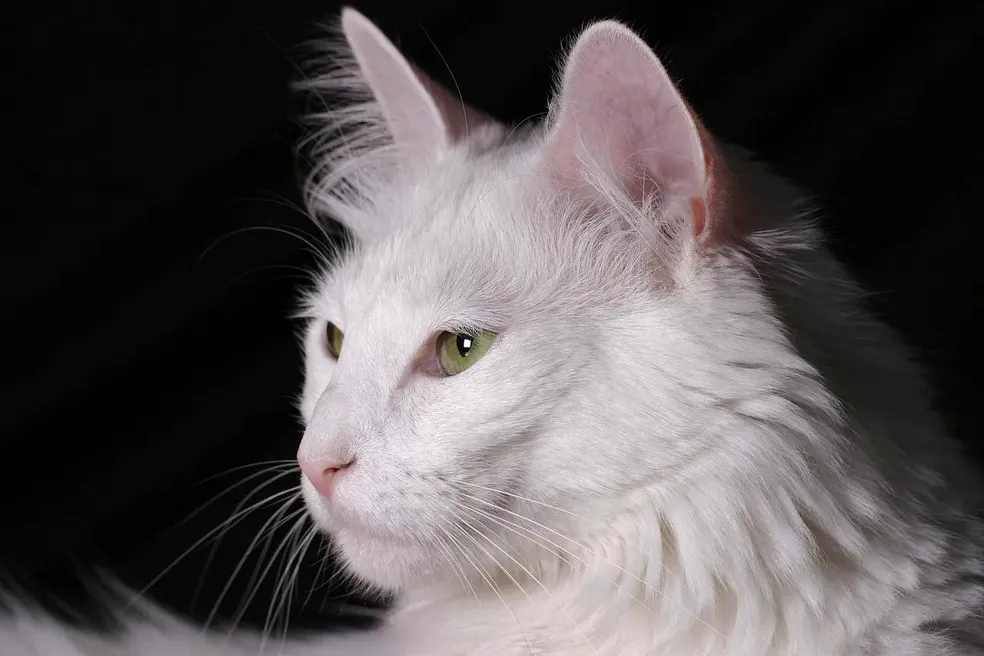
The Turkish Angora is believed to originate in the Ankara region of Turkey and is among the oldest recognized cat breeds. It is known for its silky white coat, though many colors exist.

Quick facts

  • Weight: about 2.5 to 5 kg (5.5 to 11 lb)
  • Lifespan: often 12 to 18 years
  • Coat: fine, silky, semi-long with little undercoat
  • Energy: high

Appearance

Angoras have a slender, elegant body, a wedge-shaped head and a plumed tail. White cats may have blue, amber or odd eyes. White cats with blue eyes can be prone to deafness.

Personality

They are clever, active and attached to their family. Expect them to climb, play fetch and investigate every cupboard. Angoras like to be at the center of things, so they do best with an owner who can supply play and attention.

Grooming

The silky coat tangles less than many longhaired coats. Brush a couple of times a week and more often in shedding season. Check ears, teeth and nails regularly.

Health

Generally healthy, though some lines carry risk of heart disease and ataxia, and deafness in white cats. Choose breeders who test their cats.

Final thoughts

For an active, affectionate and elegant cat, the Turkish Angora is a lovely choice.

This guide is for general information only and is not a substitute for advice from a qualified veterinarian. If your pet seems unwell, contact your vet.

More Details
Jul 19, 2023
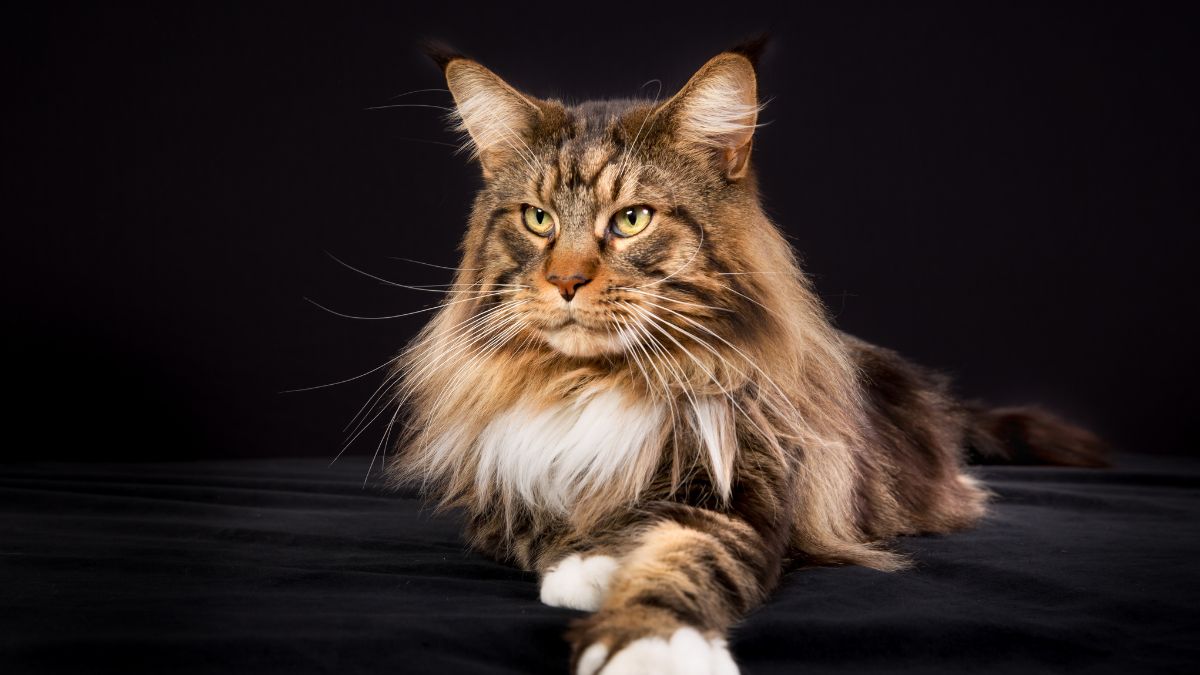
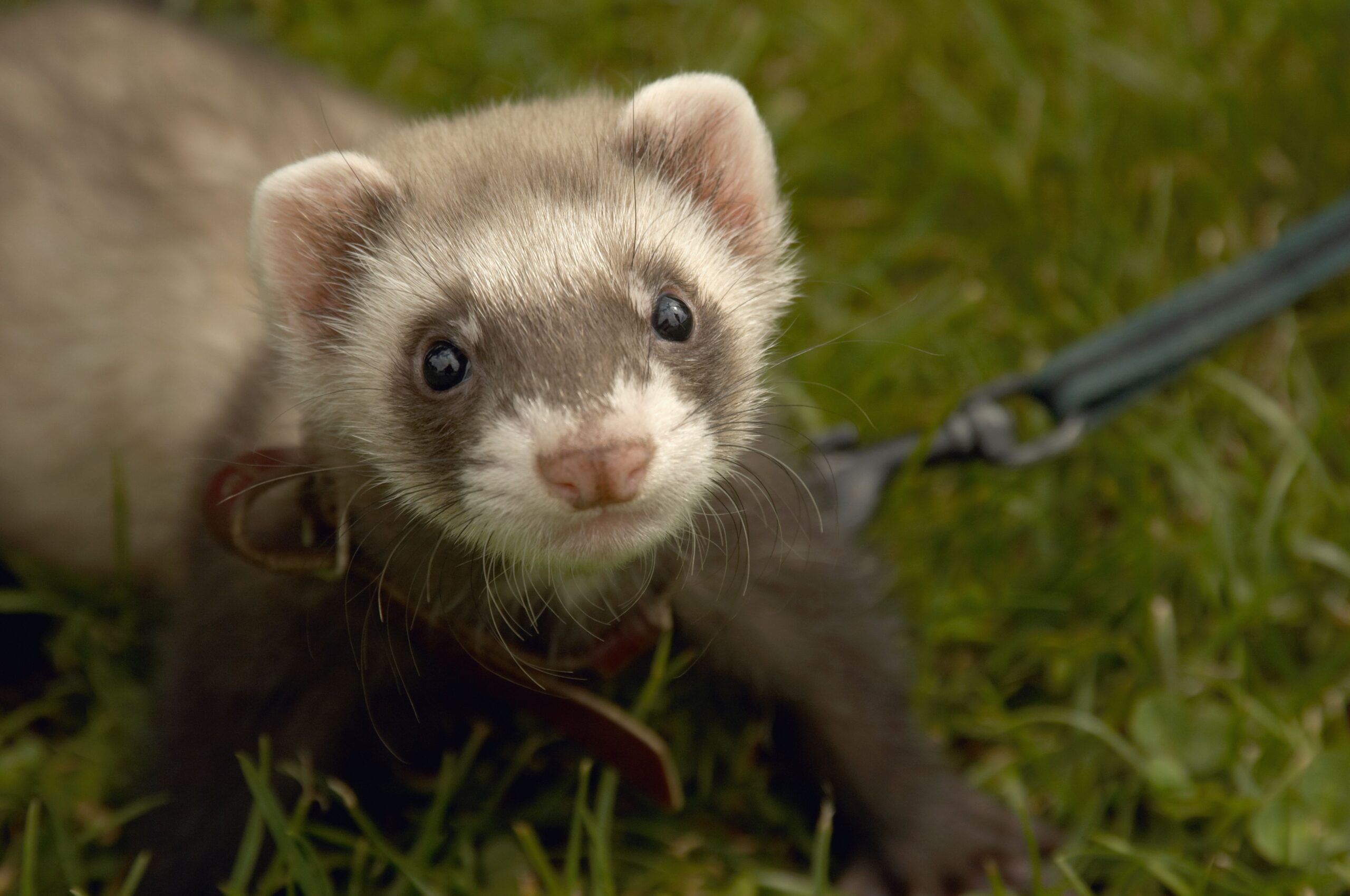
Maine Coon: The Gentle Giant of Cats

The Maine Coon is native to the northeastern United States and is known for its size, tufted ears and bushy tail. Despite the large frame, it is often called a gentle giant.

Quick facts

  • Weight: about 5.5 to 11 kg (12 to 25 lb), males larger
  • Lifespan: commonly 10 to 15 years
  • Coat: long, shaggy, water-resistant
  • Maturity: up to 3 to 5 years

Appearance

Maine Coons have a rectangular body, large paws, lynx-like ear tufts and a thick ruff around the neck. Colors and patterns vary widely, with brown tabby the best known.

Personality

These cats are sociable, playful and often dog-like. Many follow their people, enjoy water and chirp or trill rather than meow. They tend to get along with children and other pets.

Grooming

Brush two to three times per week, and daily during heavy shedding, to prevent mats on the belly, behind the ears and on the britches.

Health

The breed can develop hypertrophic cardiomyopathy, hip dysplasia and spinal muscular atrophy. Reputable breeders screen for these conditions. Provide a big litter box, sturdy scratching post and measured food portions.

Is it for you?

If you have space and time for a large, affectionate cat, the Maine Coon is a joy to live with.

This guide is for general information only and is not a substitute for advice from a qualified veterinarian. If your pet seems unwell, contact your vet.
More Details
Jul 18, 2023
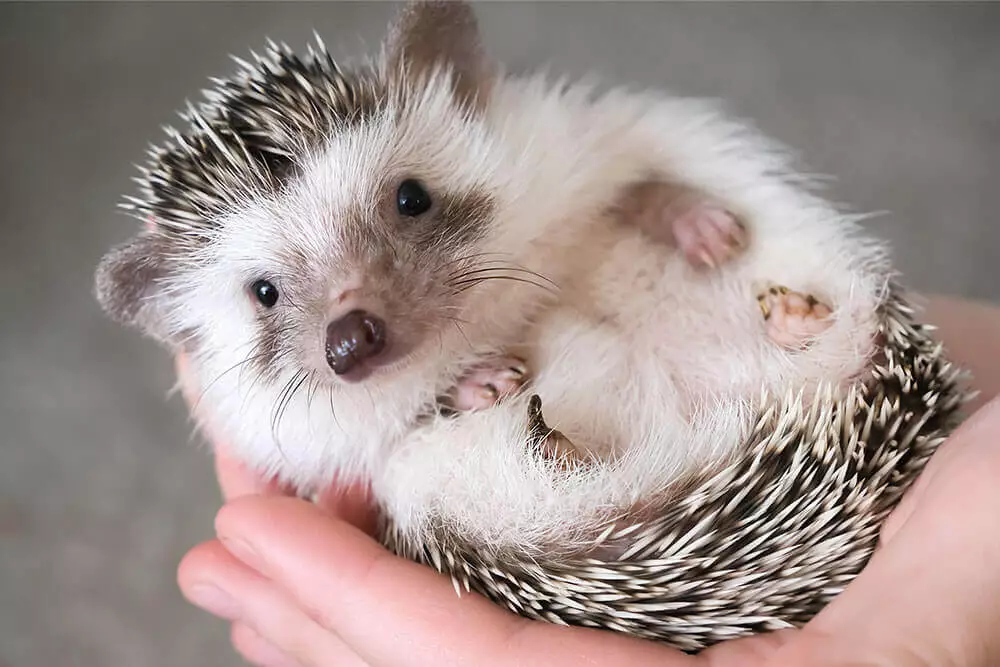
Pot-Bellied Pigs: Are They Right for You?

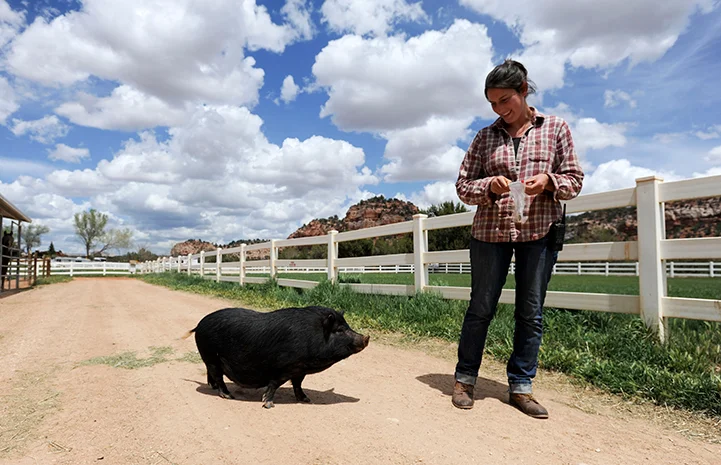
Vietnamese pot-bellied pigs are often marketed as “mini pigs,” but adults commonly weigh 30 to 70 kg (65 to 150 lb) or more. They are intelligent, social animals that need space and structure.

Quick facts

  • Lifespan: typically 12 to 18 years
  • Diet: pig-specific pellets plus vegetables, carefully portioned
  • Intelligence: comparable to dogs
  • Legal: zoning laws may forbid pigs, so check first

Housing

Pigs need a secure outdoor area to root and graze, and a warm, dry shelter. Indoors, they need their own space and sturdy flooring that provides traction. They can be trained to use a litter box.

Diet

Overfeeding is the most common error. Provide a measured portion of balanced pig pellets, plus vegetables, and limit treats. Fresh water must always be available.

Behavior

Pigs need enrichment and routine. They root, chew and can be destructive when bored. Positive reinforcement training works well.

Health

Find an experienced farm-animal or exotic vet. Hooves need trimming, tusks may need care, and skin should be protected from sunburn.

Before you commit

Pigs live a long time, grow large and need space. For the right household they are affectionate companions, but they are not suited to small apartments.

This guide is for general information only and is not a substitute for advice from a qualified veterinarian. If your pet seems unwell, contact your vet.
More Details
Jul 18, 2023
Persian Cats: Luxurious Coats and Calm Temperament

The Persian is one of the oldest and most recognizable cat breeds, prized for its calm manner and long, dense coat.

Quick facts

  • Weight: about 3.5 to 5.5 kg (8 to 12 lb)
  • Lifespan: commonly 12 to 17 years
  • Coat: very long and thick, needs daily care
  • Energy: low to moderate

Appearance

Persians have a round head, large eyes, small ears and a short muzzle. Some lines have an extremely flat face. Coat colors range from white to tabby, smoke and tortoiseshell.

Temperament

They are gentle, quiet and enjoy a peaceful home. Most prefer lap time to acrobatics.

Grooming

Daily combing is needed to prevent mats, and many owners schedule regular baths. Wipe tear stains from the eyes daily, as the flat face can cause tear overflow.

Health considerations

Persians can have breathing difficulty (brachycephalic airway syndrome), eye problems, dental crowding and polycystic kidney disease (PKD). Seek breeders who test for PKD and avoid extreme flat faces.

Final thoughts

A Persian suits a calm home where someone can brush the coat daily. Love and routine care keep them thriving.

This guide is for general information only and is not a substitute for advice from a qualified veterinarian. If your pet seems unwell, contact your vet.

More Details
Jul 18, 2023
Guinea Pigs: Fun Facts and Care Basics

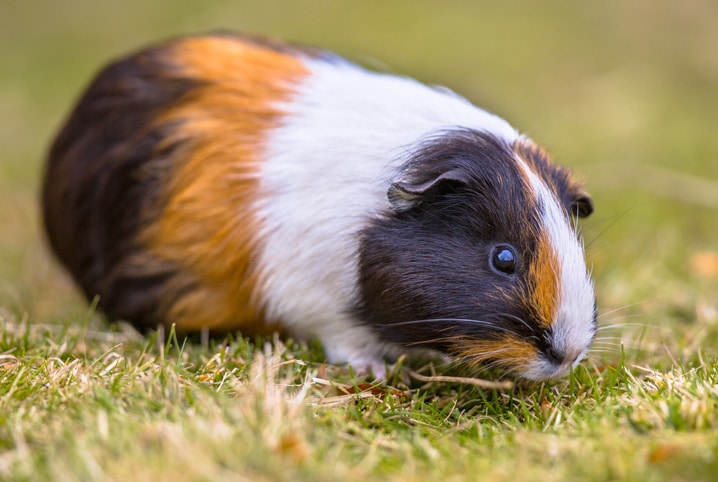
Guinea pigs (cavies) originated in the Andes and have been kept by people for thousands of years. They are gentle, vocal rodents that thrive in pairs.

Fun facts

  • They “popcorn”: young guinea pigs leap into the air when excited
  • They cannot make vitamin C, so they need it daily from vegetables like bell pepper or from fortified pellets
  • Their teeth never stop growing, so constant hay is essential
  • They are social and should be kept with a compatible companion
  • They talk: a high “wheek” often means “feed me”

Housing

Provide a large, flat-floored cage (at least about 120 x 60 cm / 4 x 2 ft for two) with bedding, hiding places and no wire floor. Keep them in a quiet spot away from drafts and heat.

Diet

Unlimited grass hay, fresh vegetables daily, a small portion of pellets and clean water. Fruit is a treat.

Health

Watch for dental trouble, respiratory infections, mites and weight loss. Use a vet that treats small mammals.

Takeaway

Guinea pigs reward daily interaction with trust and plenty of sound effects.

This guide is for general information only and is not a substitute for advice from a qualified veterinarian. If your pet seems unwell, contact your vet.
More Details
Jul 18, 2023
Why Is My Betta Fish Not Moving?

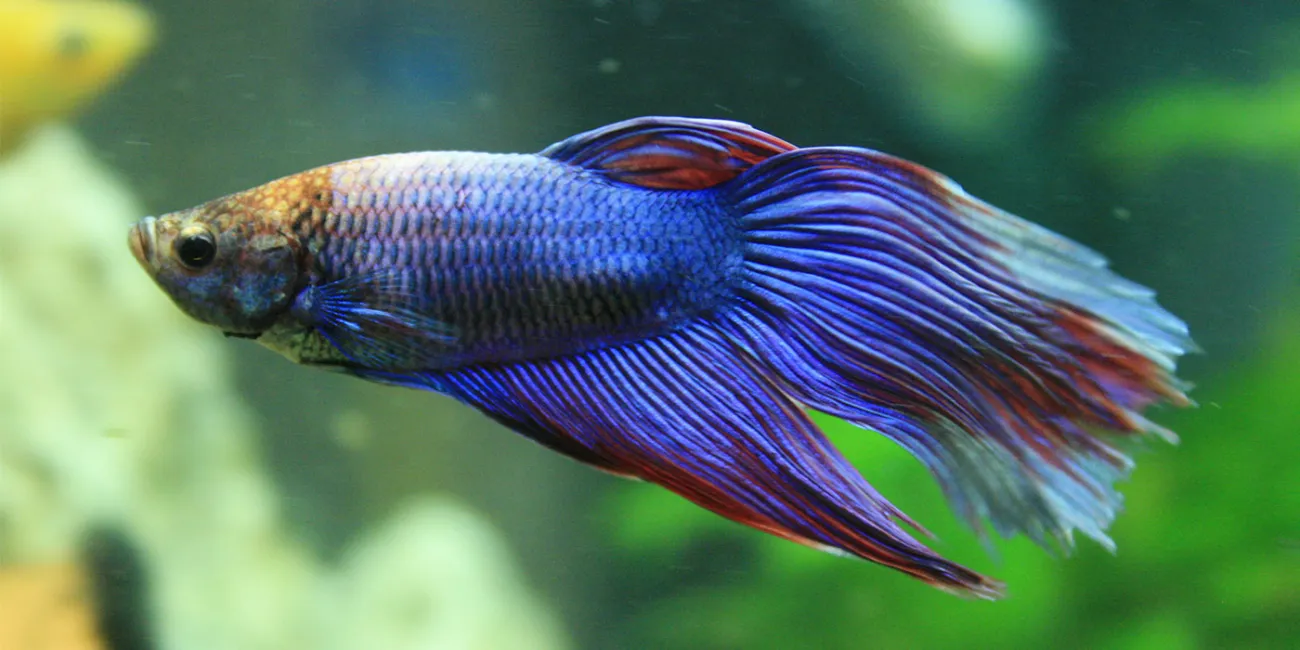
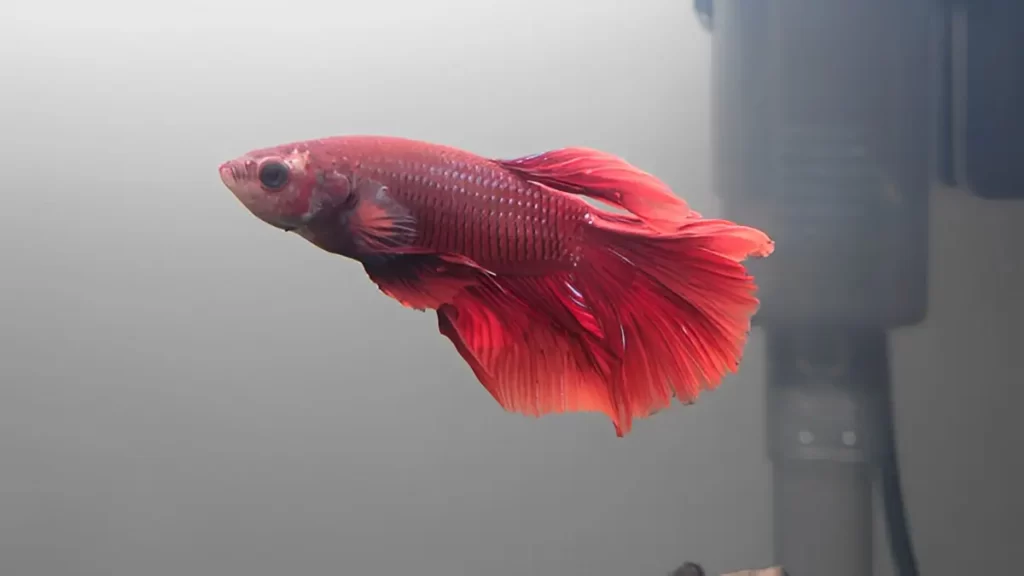
Betta fish can spend long periods resting, but sudden changes in behavior deserve attention.

Normal reasons for stillness

  • Sleeping: bettas rest at night and sometimes during the day
  • Resting spots: they like to lie on leaves or hammocks
  • Cool water: bettas are tropical and slow down in cold water

Possible problems

  • Temperature: keep the tank around 24 to 27°C (76 to 80°F) with a heater
  • Water quality: ammonia and nitrite are toxic, so test water and change part of it regularly
  • Small space: use at least about 20 liters (5 gallons)
  • Illness: clamped fins, white spots, bloating or loss of color can signal disease

What to do

Test the water, check the heater, and perform a partial water change if readings are poor. Provide gentle filtration, plants and a resting leaf. If the fish stays at the bottom, breathes heavily or stops eating, consult an aquatic vet.

Prevention

A stable, warm, clean tank and a varied diet make for an active betta.

This guide is for general information only and is not a substitute for advice from a qualified veterinarian. If your pet seems unwell, contact your vet.
More Details
Jul 18, 2023
Why Do Hamsters Live Such Short Lives?

Most pet hamsters live around two to three years. This is normal for small rodents and is linked to their fast metabolism and high heart rate.

Why so short?

Small animals tend to have a fast metabolism and mature quickly. In the wild, hamsters face many predators, so evolution favored rapid reproduction instead of long life.

Lifespan by type

  • Syrian hamsters: about 2 to 3 years
  • Dwarf hamsters: about 1.5 to 2.5 years
  • Roborovski hamsters: can live a little longer

How to support a healthy life

  • Provide a large cage with deep bedding for burrowing and a wheel of proper size
  • Feed a quality hamster mix with occasional fresh vegetables
  • Avoid stress, excessive handling and sudden temperature changes
  • Watch for lumps, weight loss, wet tail or lethargy and see a vet

Conclusion

Their lives are short, but a calm environment and good diet help them enjoy every month.

This guide is for general information only and is not a substitute for advice from a qualified veterinarian. If your pet seems unwell, contact your vet.

More Details