Oct 18, 2023
Cat Body Language: What Your Cat’s Tail, Ears and Eyes Really Mean

Quick answer: A tail held high usually means a friendly, confident cat, flattened ears signal fear or irritation, and slow blinks are a sign of trust. Always read the whole body together, not one signal alone.

The tail

  • Upright, maybe with a curl at the tip: friendly and confident
  • Puffed up: frightened or startled
  • Low or tucked: anxious or unwell
  • Quick lashing: irritation or overstimulation
  • Wrapped around you: affection

The ears

Ears pointing forward show interest. Ears turned sideways like “airplane wings” often show nervousness or conflict. Ears pressed flat against the head signal fear or aggression, and the cat may be ready to defend itself.

The eyes

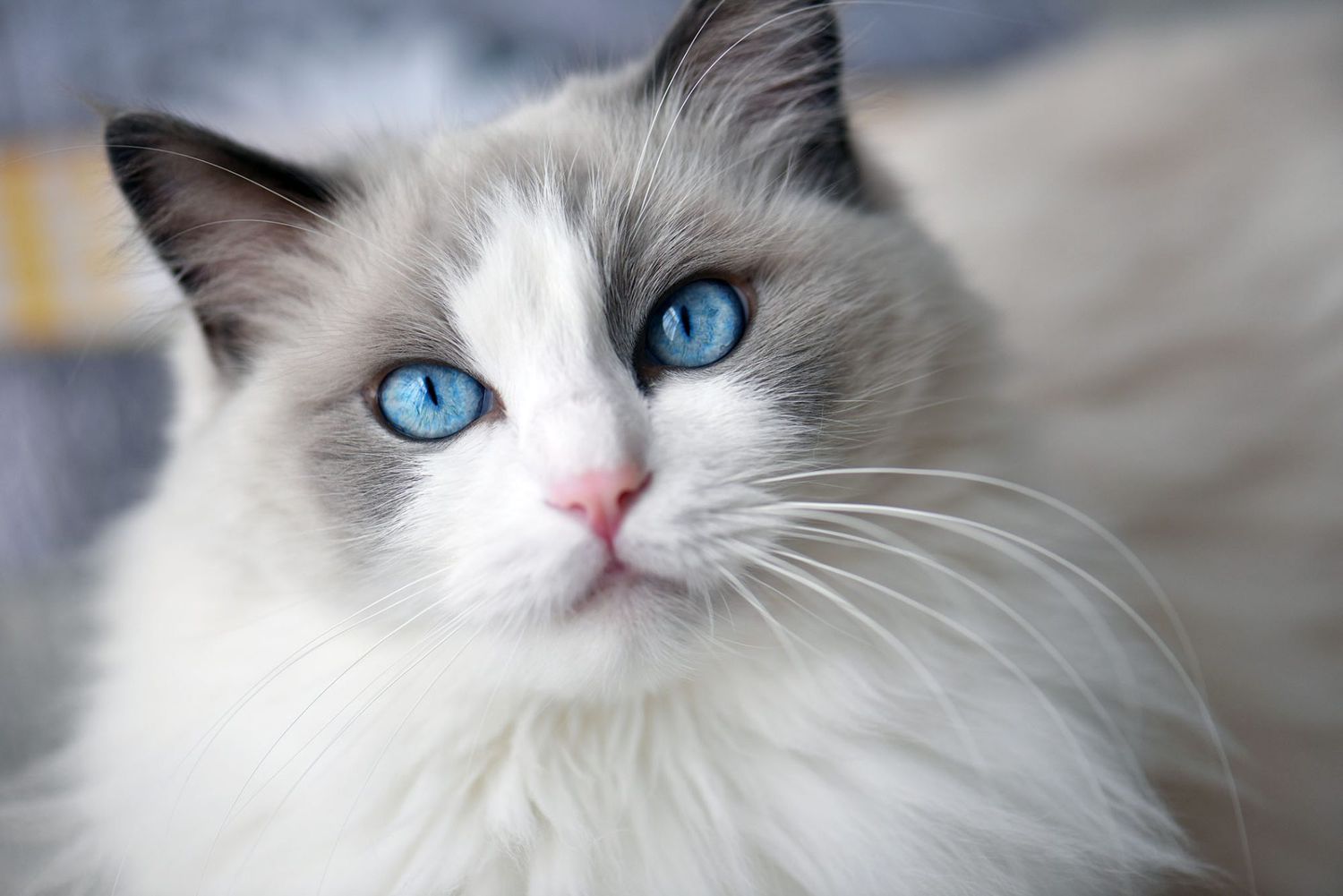
Wide, dilated pupils can mean excitement, fear or play, so check the context. A slow blink, where your cat half-closes their eyes, is often called a “cat kiss” and shows relaxation. You can slow blink back to build trust. A fixed, unblinking stare can be a challenge.

Body posture

  • Arched back with fur raised: defensive
  • Crouched with tail tucked: scared
  • Loaf position with paws tucked: relaxed
  • Exposed belly: trust, but not always an invitation to pet

Other common signals

Head bunting (rubbing their head on you) is a way of marking you with scent glands and showing friendship. Kneading is a comfort behavior that begins in kittenhood. Chattering at birds is often linked to hunting excitement.

Sounds

Meows are mostly for humans. Purring usually indicates contentment but can also happen when a cat is stressed or in pain. Hissing and growling are clear warnings, so give your cat space.

When body language suggests a health issue

Hiding, sudden aggression, a hunched posture, or a change in grooming or litter box habits can signal pain or illness. Contact your vet if the change lasts more than a day or two.

FAQ

Why does my cat wag their tail?

In cats, a fast wag usually means irritation or agitation, unlike in dogs.

Why does my cat show me their belly then bite?

Many cats show their belly to relax, but dislike being touched there. Watch for tension before petting.

What does a cat’s slow blink mean?

It is a sign of trust and comfort.

This guide is for general information only and is not a substitute for advice from a qualified veterinarian. If your pet seems unwell, contact your vet.

More Details
Jul 26, 2023
Rabbits as Pets: A Practical Care Guide

Rabbits look like low-maintenance pets, but they are social, intelligent prey animals with very specific needs. Done well, rabbit keeping is rewarding: a healthy house rabbit can live 8 to 12 years and develops a clear personality.

Quick facts

  • Lifespan: about 8 to 12 years with good care
  • Diet: unlimited grass hay, daily leafy greens, a small portion of pellets
  • Social needs: most rabbits do best with a bonded partner or plenty of daily company
  • Vet care: needs a vet with rabbit experience; spaying or neutering is strongly recommended

Housing and space

A rabbit needs room to hop, stretch out fully and stand upright on its hind legs. A small cage is not enough on its own. Use a large pen or a rabbit-proofed room, and aim for several hours of exercise outside the enclosure each day. Provide a solid floor, a hiding box and a litter tray filled with paper-based litter or hay. Wire floors are hard on their feet.

What rabbits eat

Their digestive system depends on fiber. Unlimited grass hay such as timothy should make up most of the diet, because it keeps the gut moving and wears down teeth that never stop growing. Add a handful of fresh leafy greens every day and a small measured portion of plain pellets. Treat fruit and carrots as occasional extras, not staples.

Behavior and bonding

Rabbits communicate with body language. A flop onto the side means relaxation, a thump of the back foot signals alarm, and a “binky” (a sudden jump and twist) is pure joy. Never pick a rabbit up by the ears, and support the hindquarters when you lift one. Many rabbits prefer to come to you rather than being carried. Introduce a second rabbit slowly, on neutral ground, and neuter both first.

Common problems to watch for

  • Gut slowdown: if your rabbit stops eating or producing droppings for more than 12 hours, treat it as an emergency and call a vet
  • Overgrown teeth: drooling, dropping food or weight loss can point to dental trouble
  • Heat stress: rabbits cope poorly above roughly 27°C (80°F), so keep them cool and shaded
  • Chewing hazards: cover electrical cords and remove toxic houseplants

Is a rabbit right for you?

Plan for daily fresh food, litter cleaning, exercise time and annual vet checks, plus a rabbit-savvy vet for emergencies. If you can offer that, a rabbit can be a gentle, funny companion for many years.

This guide is for general information only and is not a substitute for advice from a qualified veterinarian. If your pet seems unwell, contact your vet.
More Details
Jul 26, 2023
Mixed-Breed Cats: Colors, Size and Personality

Most of the world’s cats are not pedigree cats at all. Domestic shorthairs and longhairs, often called mixed-breed cats or moggies, have no single recognized ancestry, and that variety is exactly what makes them so appealing.

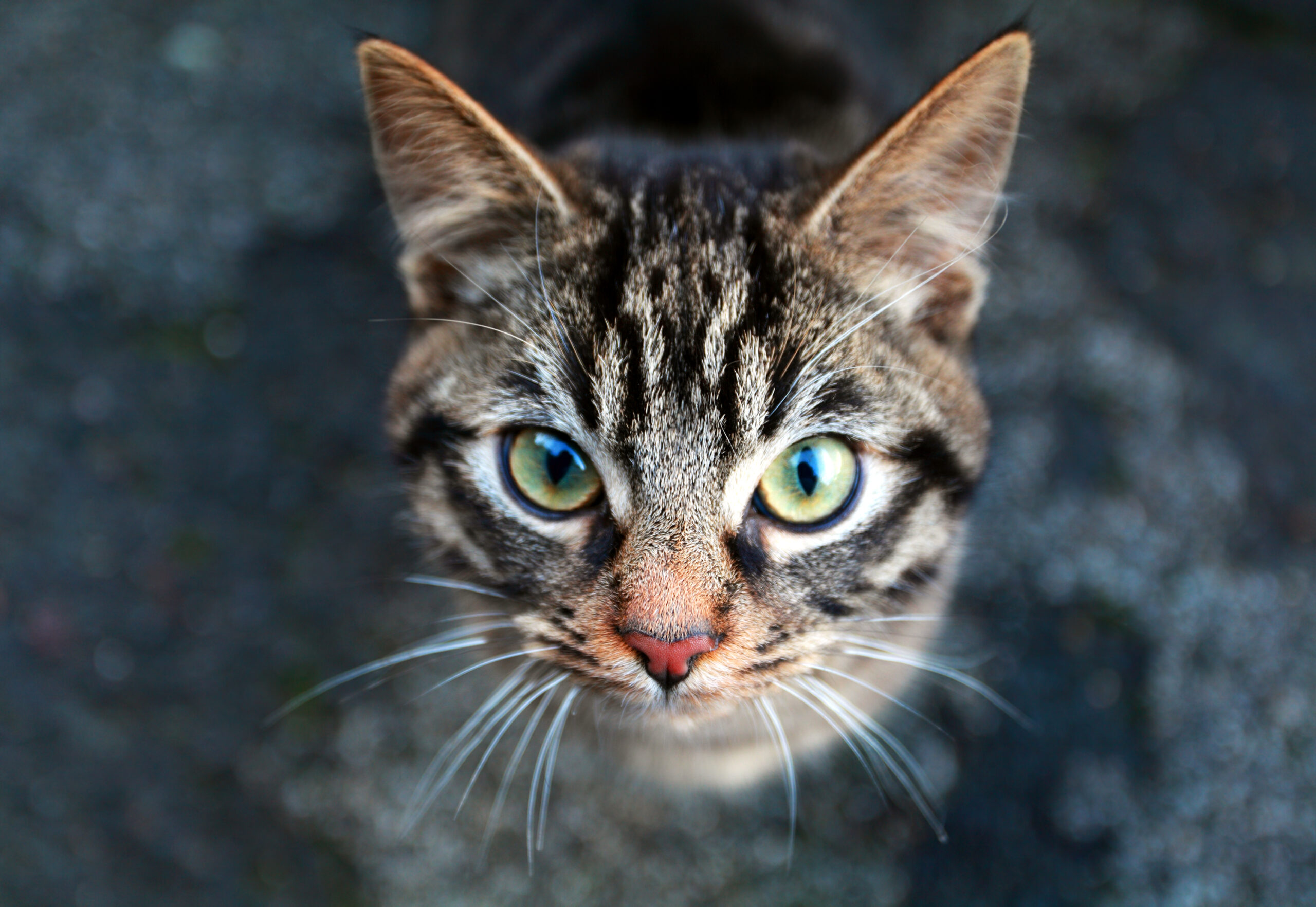
Tabby kitten in box

Quick facts

  • Typical weight: about 4 to 5.5 kg (9 to 12 lb) for a healthy adult, though frame size varies
  • Lifespan: commonly 12 to 18 years, longer for indoor cats
  • Coat: short, medium or long, in almost any color or pattern
  • Where to find one: shelters, rescues and local adoption events

The colors and patterns

Coat color comes from a handful of genes, and mixed-breed cats show nearly every combination. Common patterns include tabby stripes, solid black or white, bicolor “tuxedo” cats, and the patched coats called tortoiseshell and calico. Because the gene for orange fur sits on the X chromosome, tortoiseshell and calico cats are almost always female, while most orange cats are male.

Size and build

There is no breed standard, so size depends on the cat’s family tree and how it is fed. A small cat is not necessarily underweight and a large one is not necessarily healthy. Ask your vet to score body condition and show you how your cat’s ribs and waist should feel.

Personality is not predictable by looks

Coat color does not decide temperament. A cat’s personality is shaped by genetics, early socialization and daily life. When adopting, spend time with the individual cat and ask the shelter how it behaves around people, other pets and noise. That tells you far more than appearance.

Health and care basics

Mixed-breed cats are often hardy, but they are not immune to illness. Plan for:

  • Core vaccinations and parasite control as advised by your vet
  • Spaying or neutering and a microchip
  • Regular dental care, since dental disease is very common
  • A measured diet and daily play to prevent weight gain

Why adopt a mixed-breed cat

Adopting gives a home to a cat that needs one, usually costs less than buying a pedigree, and brings a unique character into your family. Whether tabby, tuxedo or calico, every mixed-breed cat is one of a kind.

This guide is for general information only and is not a substitute for advice from a qualified veterinarian. If your pet seems unwell, contact your vet.

More Details
Jul 25, 2023
Russian Blue Cat: Appearance, Temperament and Care

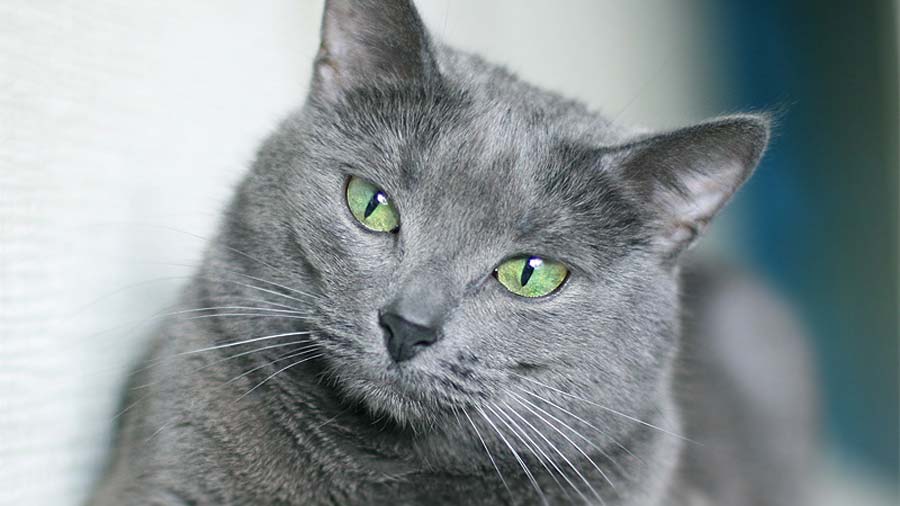
The Russian Blue is one of the most recognizable cat breeds, with a plush blue-gray coat that shimmers in the light and vivid green eyes. It is also known for being gentle, intelligent and a little shy.

Quick facts

  • Origin: thought to come from the port of Arkhangelsk in northern Russia
  • Weight: roughly 3 to 5.5 kg (7 to 12 lb)
  • Lifespan: often 15 years or more
  • Coat: short, dense double coat with silver-tipped hairs

Appearance

Russian Blues have a fine-boned but muscular body, a wedge-shaped head and a gently upturned mouth that looks like a smile. The coat is the star: it is so dense that it stands out from the body, and each hair is tipped with silver, which creates the shimmer. Kittens’ eyes start yellow and gradually turn green.

Temperament

These cats form strong bonds with their families and often pick a favorite person. They can be reserved with strangers and may hide when visitors arrive, so give them a quiet retreat. They like routine, enjoy puzzle feeders and games of fetch, and tend to be quiet, with a soft voice.

Grooming

The coat needs less work than the look suggests. A brush once or twice a week removes loose hair and keeps the coat tidy. Like all cats, they benefit from nail trims, dental care and clean ears. Some owners report fewer allergy problems with this breed, but no cat is truly hypoallergenic, so spend time with one before committing if allergies are a concern.

Health and weight

The breed is generally healthy and long-lived. Its main risk is weight gain, because many Russian Blues love food. Measure meals, use puzzle feeders and keep playtime regular. Routine vet visits help catch dental and kidney problems early.

Is this the right cat for you?

A Russian Blue suits a calm home where someone is around most days. If you can offer patience, routine and gentle play, you will gain a devoted companion.

This guide is for general information only and is not a substitute for advice from a qualified veterinarian. If your pet seems unwell, contact your vet.

More Details
Jul 24, 2023
Pet Tarantulas: What Beginners Should Know

Tarantulas have a reputation for being scary, yet they are among the quietest and tidiest exotic pets. They are best treated as animals to observe rather than to handle.

Quick facts

  • Lifespan: females of many species live 15 to 25 years, males usually far less
  • Feeding: adults eat insects such as crickets or roaches roughly every one to two weeks
  • Handling: not recommended, for the animal’s sake and yours
  • Temperature: most species do well around 22 to 27°C (72 to 80°F)

Choosing a first species

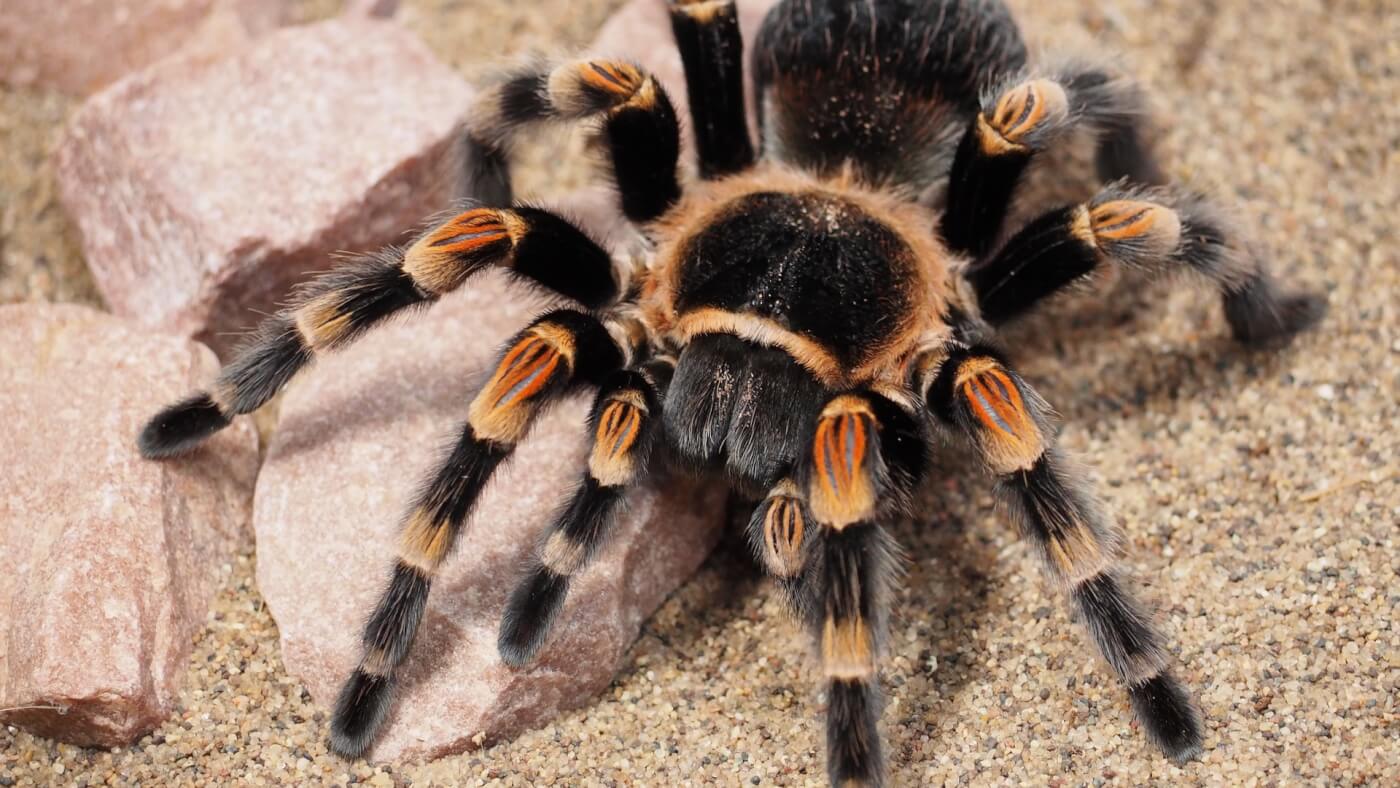
Calm, hardy, ground-dwelling species are the usual beginner choices, for example the Chilean rose (Grammostola rosea) or the curly hair tarantula (Tliltocatl albopilosus). Fast, skittish or tree-dwelling species are better left until you have experience. Buy captive-bred animals from a reputable breeder and check local laws, because some species are protected.

Setting up the enclosure

A secure, well-ventilated enclosure with a tight lid is essential. Ground-dwelling species need floor space and several centimeters of substrate to burrow, while tree-dwelling species need height. Add a hide and a shallow water dish, and keep humidity appropriate to the species. Avoid heat rocks and keep decorations low, since a fall can seriously injure a tarantula.

Feeding and molting

Feed prey no larger than the tarantula’s body. Remove any uneaten prey after a day, because live insects can injure a molting spider. A tarantula that suddenly refuses food and looks dull is often preparing to molt, so leave it undisturbed and keep the water dish full. Molting can take hours, and the spider needs several days to harden afterwards.

Safety

Many American species flick irritating hairs from the abdomen when stressed, which can inflame skin and eyes. Wash your hands after any contact with the enclosure and avoid touching your face. Bites are uncommon with calm species but can be painful, so work slowly with long tweezers.

Is a tarantula right for you?

If you enjoy watching behavior, don’t mind feeding live insects and want a long-lived pet that needs little space, a tarantula can be a rewarding choice.

This guide is for general information only and is not a substitute for advice from a qualified veterinarian. If your pet seems unwell, contact your vet.

More Details
Jul 24, 2023
Green Iguanas as Pets: What You Need to Know

Young green iguanas look small and manageable, but they grow quickly. An adult can reach 1.5 to 2 meters (5 to 6 feet) including the tail and live 15 to 20 years, so this is a serious long-term commitment.

Quick facts

  • Adult length: up to about 1.5 to 2 m (5 to 6 ft), most of it tail
  • Lifespan: commonly 15 to 20 years
  • Diet: herbivore, mostly leafy greens and vegetables
  • Lighting: UVB light is essential

Space and temperature

An adult iguana needs a room-sized enclosure or a custom-built cage, with branches to climb and a warm basking area. Aim for a basking spot of around 35 to 38°C (95 to 100°F) and a cooler zone in the high 20s °C (low 80s °F), with fairly high humidity. A thermometer at each end of the enclosure helps you keep the gradient right.

Lighting and health

Iguanas need UVB light to make vitamin D and absorb calcium. Without it they develop metabolic bone disease, which causes weak bones and deformities. Use a proper reptile UVB bulb on a timer for 10 to 12 hours a day and replace it as the manufacturer advises, since output fades before the light looks dim.

Diet

Feed a variety of leafy greens such as collard, mustard and turnip greens, plus vegetables and a little fruit. Avoid animal protein, which can harm the kidneys over time. Offer fresh water and use a calcium supplement as recommended by a reptile vet. Chop food into small pieces.

Temperament and handling

Hand-raised iguanas can be calm, but adults are strong and can bite or whip with the tail when stressed. Move slowly and learn the warning signs: head bobbing, a puffed-up dewlap and tail twitching. Like other reptiles, iguanas can carry Salmonella, so wash your hands after handling them or cleaning the cage.

Before you buy

Check local laws, because some regions restrict iguanas. Find an exotic-animal vet before you need one, and make sure you can provide space, heat and light for the animal’s whole life. If you can, an iguana is a fascinating, intelligent reptile.

This guide is for general information only and is not a substitute for advice from a qualified veterinarian. If your pet seems unwell, contact your vet.
More Details
Jul 23, 2023
Bearded Dragons: A Beginner-Friendly Reptile

Bearded dragons (genus *Pogona*) come from Australia and have become one of the most popular pet reptiles thanks to their calm nature and expressive behavior.

Quick facts

  • Adult length: about 40 to 60 cm (16 to 24 in)
  • Lifespan: commonly 8 to 12 years
  • Diet: omnivore, insects plus daily greens
  • Lighting: strong UVB and a hot basking spot

Habitat

Adults need an enclosure of roughly 120 x 60 x 60 cm (4 x 2 x 2 ft) or larger. Create a basking area of about 38 to 42°C (100 to 108°F) and a cooler side in the mid-20s °C (mid-70s °F). A UVB tube across much of the enclosure lets the dragon make vitamin D3, and a night temperature that stays above about 18°C (65°F) is usually fine. Use a solid, non-loose substrate such as tile or reptile carpet for young animals to avoid impaction.

Feeding

Juveniles eat mostly insects such as dubia roaches and crickets, with a little salad. Adults shift the balance toward greens like collard, mustard and dandelion, with insects a few times a week. Dust food with calcium, and a multivitamin on a schedule your reptile vet recommends. Never feed wild-caught insects or fireflies, which can be toxic.

Behavior

Head bobbing, arm waving and a black beard are signals of dominance, stress or courtship. Waving usually means submission. Bearded dragons are generally tolerant of gentle handling, but they should never be housed together, as they can fight.

Common health issues

  • Metabolic bone disease from poor UVB or calcium
  • Parasites, so have a fecal test at the first vet visit
  • Respiratory infection from low temperatures or poor ventilation

Final thoughts

With the right lighting, a varied diet and gentle handling, a bearded dragon is a charming companion that rewards a little daily attention. Wash your hands after contact, as reptiles can carry Salmonella.

This guide is for general information only and is not a substitute for advice from a qualified veterinarian. If your pet seems unwell, contact your vet.

More Details
Jul 23, 2023
American Shorthair: An Easygoing Family Cat

The American Shorthair descends from working cats brought to North America by European settlers, who valued them for keeping ships and barns free of mice. Today it is a popular, balanced companion.

Quick facts

  • Weight: about 4 to 7 kg (9 to 15 lb), males larger
  • Lifespan: often 15 to 20 years
  • Coat: short, dense, many colors; the silver tabby is the best known
  • Temperament: easygoing, playful, tolerant

Appearance

This is a medium to large, muscular cat with a broad chest, round face and strong legs. The coat is thick enough to protect against cold and comes in dozens of colors and patterns.

Personality

American Shorthairs are adaptable. They tend to get along with children and other pets and are content to play for a while and then nap nearby. Provide climbing spaces and toys to channel their hunting instinct.

Grooming and care

A weekly brush is typically enough, with more frequent sessions during seasonal shedding. Keep up with dental care, nail trims and clean litter boxes.

Health notes

The breed is generally robust, but it can be prone to obesity and, in some lines, to hypertrophic cardiomyopathy (HCM). Ask breeders about heart screening and control portions to maintain a healthy weight.

Is it for you?

If you want an affectionate but undemanding cat that fits into family life, the American Shorthair is an excellent match.

This guide is for general information only and is not a substitute for advice from a qualified veterinarian. If your pet seems unwell, contact your vet.
More Details
Jul 22, 2023
Ferrets as Pets: Personality, Diet and Care

Ferrets belong to the Mustelidae family and have been domesticated for centuries. They are energetic, mischievous animals that sleep a lot (12 to 18 hours a day) and then burst into play.

Quick facts

  • Lifespan: typically 5 to 8 years
  • Diet: strict carnivore, needs high-protein, high-fat food
  • Social: best kept in pairs or groups
  • Legal note: ferrets are restricted in some places, so check local rules

Housing and play

Choose a multi-level wire cage with solid flooring, a hammock, a litter box and hiding spots. Ferrets need several hours outside the cage daily in a ferret-proofed area. They squeeze into tiny gaps, so block holes, secure appliances and remove foam, rubber and small items they could swallow.

Diet

Ferrets are obligate carnivores with a short digestive tract. Feed a high-quality ferret or kitten food, high in animal protein and low in plant matter, or an appropriate raw or whole-prey diet under vet guidance. Avoid sugar, dairy and vegetables, which they cannot digest well.

Personality

They love tunnels, hiding objects and “dooking,” a soft chuckling sound of excitement. Ferrets can nip when young, so gentle training matters. Spending time playing builds a strong bond.

Health care

Ferrets need annual vet exams, vaccines (such as distemper and rabies where available) and dental care. Common problems include adrenal disease, insulinoma and gastrointestinal blockages from swallowed items. Their natural odor is mild, and bathing too often makes it worse.

Is a ferret right for you?

They are a fun pet if you can offer daily play and a ferret-savvy vet.

This guide is for general information only and is not a substitute for advice from a qualified veterinarian. If your pet seems unwell, contact your vet.
More Details
Jul 21, 2023
Sphynx Cats: The Hairless Breed Explained

The Sphynx looks unusual, with wrinkled, warm-feeling skin and large ears, but behind the look is a very people-oriented cat.

Quick facts

  • Weight: about 3.5 to 7 kg (8 to 15 lb)
  • Lifespan: commonly 8 to 14 years
  • Coat: appears hairless, usually covered in a fine down
  • Care level: skin and ear care are essential

Appearance

Their lack of coat shows off the muscular body, lemon-shaped eyes and prominent cheekbones. Skin can be any color or pattern, and may feel like warm suede.

Personality

Sphynx cats are outgoing, energetic and love attention. They tend to follow their people around, seek warmth in laps and under blankets, and often get along with other pets. They do not like to be left alone for long periods.

Skin and body care

Without fur to absorb oils, the skin gets greasy. Most Sphynx cats need a gentle bath every one to four weeks and wiping of skin folds. Clean ears weekly, as wax builds up fast. Keep them indoors, because they can sunburn and get cold. Provide a warm bed and, in cool seasons, a soft sweater.

Health considerations

Hypertrophic cardiomyopathy, skin problems and dental disease are the most common concerns. Choose breeders who screen for heart disease. They also eat more to keep warm, so feed a quality diet in measured meals.

Is it for you?

Sphynx cats suit people who can be home often and enjoy hands-on grooming. If that is you, they make affectionate, entertaining companions.

This guide is for general information only and is not a substitute for advice from a qualified veterinarian. If your pet seems unwell, contact your vet.

More Details